Key facts
- Tanker traffic through the Strait of Hormuz has fallen 90% to 95% compared to pre-war levels.
- U.S. Energy Secretary Chris Wright states approximately 7 million barrels per day of crude and oil products are moving through the Strait of Hormuz.
- Chevron CEO Mike Wirth disputes the figure of 7 million barrels per day of oil moving through the Strait of Hormuz.
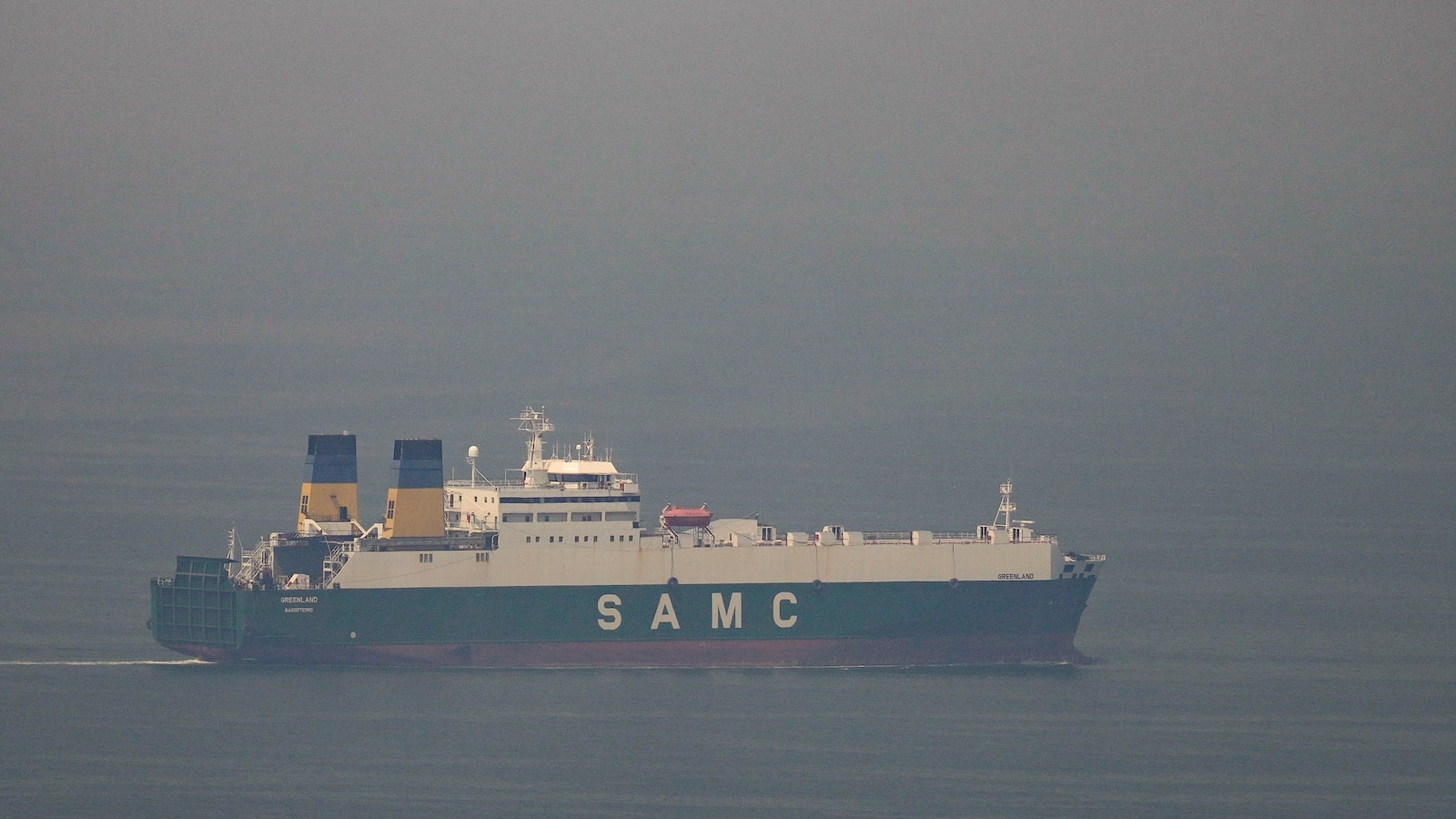
- Kuwait Petroleum Corporation's LPG carrier, Gas Umm Al Rowaisat, navigated the Strait of Hormuz with its AIS transponder switched off.
- Gulf producers are increasingly adopting 'dark mode' shipping by switching off AIS transponders.
- U.S. oil exports surged in April due to blockades in the Strait of Hormuz.
- The surge in U.S. oil exports contributed to a decrease in the overall trade deficit.
- Brent crude fell 4.34% to $86.36 per barrel.
- WTI crude dipped 4.47% to $83.88 per barrel.
- Gas prices have seen a slight decrease 14 weeks into the conflict involving Iran.
- U.S. commercial oil inventories are approaching critically low levels.
Oil flows through the Strait of Hormuz are significantly below pre-war levels, with tanker traffic reportedly down 90% to 95%. U.S. Energy Secretary Chris Wright stated that approximately 7 million barrels per day of crude and oil products are moving through the Strait of Hormuz, a figure that Chevron CEO Mike Wirth disputes. Visible commercial traffic remains substantially lower than before the conflict began. The ongoing disruptions have led to increasingly opaque shipping operations, with Gulf producers adopting 'dark mode' practices by switching off AIS transponders. Kuwait Petroleum Corporation's LPG carrier, Gas Umm Al Rowaisat, is one such vessel that navigated the Strait of Hormuz with its transponder off, complicating the tracking of global energy flows through this critical chokepoint.
Despite the disruptions and opaque operations, U.S. oil exports surged in April, driven by increased sales of oil and petroleum products due to blockades in the Strait of Hormuz. This surge in exports contributed to a decrease in the overall U.S. trade deficit. In the broader market, oil prices have seen fluctuations, with Brent crude falling 4.34% to $86.36 and WTI dipping 4.47% to $83.88, nearing three-month lows amid optimistic signals for a potential opening of the Strait of Hormuz and anticipation of a U.S.-Iran peace deal. Gas prices have also seen a slight decrease 14 weeks into the ongoing conflict involving Iran.
U.S. commercial oil inventories are approaching critically low levels as the conflict with Iran continues without a clear resolution. The duration of the ongoing war is identified as a significant factor influencing future supply. The situation highlights the sensitivity of global energy markets to geopolitical events in critical transit zones like the Strait of Hormuz, where a substantial portion of the world's oil supply passes.