GM to Produce Energy Storage Batteries Amidst Slowing EV Sales | PiQ Markets
4 storiesCommodities & EnergyCrude oil prices: WTI & BrentEnergy transition & net zero commitmentsAI & data centre power demand impact on energy markets
GM to Produce Energy Storage Batteries Amidst Slowing EV Sales
window 24h
IN SHORT
Automakers and energy companies are increasingly focusing on energy storage batteries as demand surges, driven by AI and renewable energy integration. General Motors is repurposing its EV battery production capacity for grid-scale storage solutions to serve utilities and data centers, responding to a slowdown in electric vehicle sales. Meanwhile, Chinese solar manufacturers are also pivoting to battery production and exports, anticipating a significant jump in demand. The sector is also seeing technological advancements, with CATL launching the world's largest energy storage testing platform and beginning mass production of sodium-ion batteries, alongside progress in lithium-air technology. A large-scale battery project has also received final environmental approval, with construction set to begin this year.
✉Newsletter
PiQ Daily
Pick your topics. Get only what matters, on your cadence.
Key Numbers
30%forecasted jump in Chinese battery exports
150 GWhforecasted Chinese battery exports in 2026
Who's Involved
General Motors
automaker pivoting to energy storage battery production
CATL
company launching energy storage testing platform and sodium-ion battery production
JinkoSolar
Chinese solar firm expanding into battery storage
JA Solar
Chinese solar firm expanding into battery storage
1 / 2
Key facts
General Motors is repurposing EV battery production capacity for energy storage batteries.
GM's energy storage batteries will supply utilities and data centers.
AI is driving surging electricity demand, impacting the energy storage market.
Electric vehicle sales are experiencing a slowdown.
CATL launched the world's largest open-source energy storage testing platform.
CATL has started mass production of sodium-ion batteries.
CATL is making progress in lithium-air battery technology.
Chinese solar firms are increasing battery exports due to slowing panel sales.
JinkoSolar and JA Solar are expanding into battery storage.
Chinese battery exports are forecast to jump 30% to 150 GWh in 2026.
A contested large-scale battery project received final environmental approval.
Construction for the approved battery project is slated to begin this year.
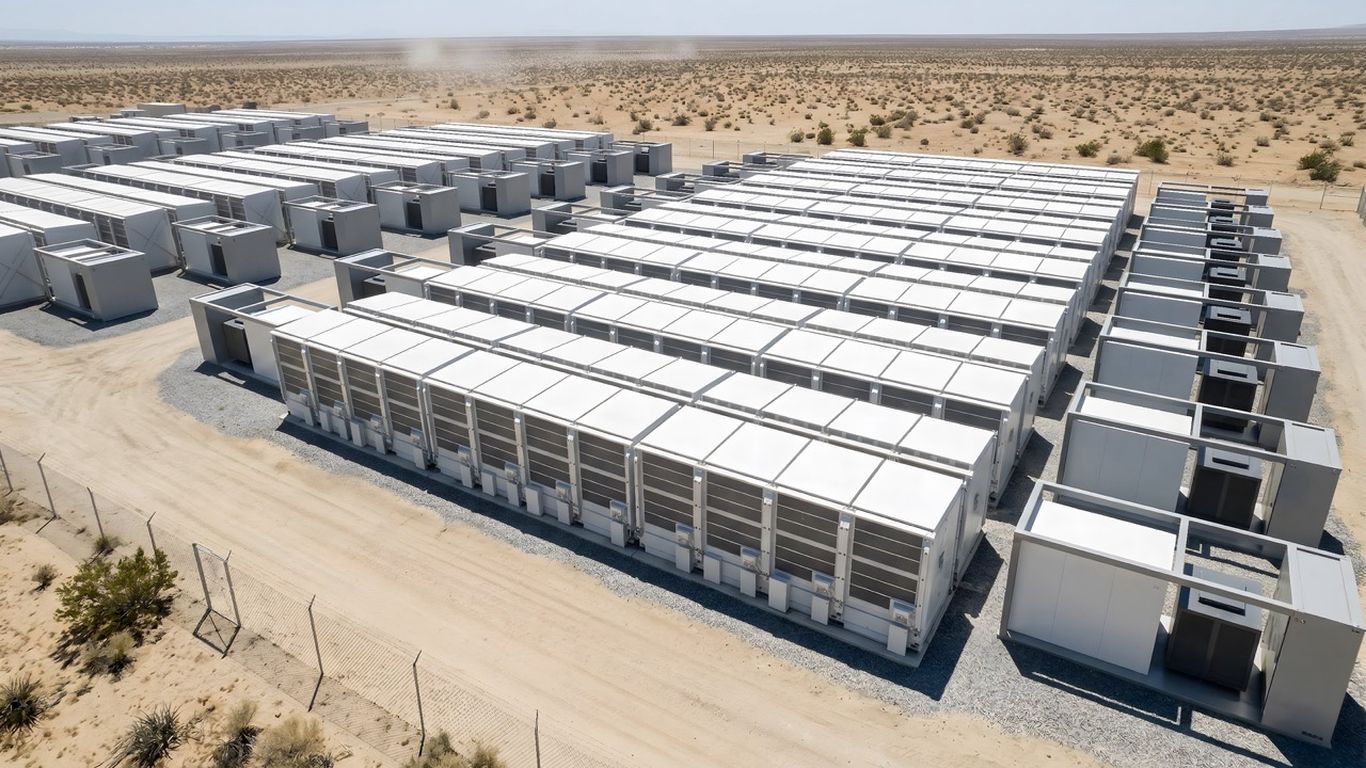
General Motors is shifting its focus towards producing energy storage batteries, utilizing its existing electric vehicle battery production capabilities to supply utilities and data centers. This strategic pivot is designed to capitalize on the escalating electricity demand fueled by artificial intelligence and to mitigate the impact of slower-than-anticipated electric vehicle sales. The company aims to leverage its manufacturing infrastructure to meet the growing need for grid-scale energy storage solutions.
Simultaneously, Chinese solar panel manufacturers are increasingly directing their efforts toward battery production and exports as sales growth for photovoltaic panels decelerates. Companies such as JinkoSolar and JA Solar are expanding their operations into the battery storage sector. This diversification is a response to the intermittency challenges inherent in renewable energy sources and an effort to capture market growth in the energy storage domain. Projections indicate a substantial increase in battery exports, with a forecast of a 30% rise to 150 GWh by 2026.
Technological advancements are also shaping the energy storage landscape. CATL has unveiled the world's largest open-source energy storage testing platform and has commenced mass production of sodium-ion batteries. The company has also reported progress in the development of lithium-air battery technology, signaling further innovation in the field.
In parallel, a significant large-scale battery project, which had previously faced contestation, has secured final environmental approval from the federal government. Construction for this project is scheduled to commence within the current year, indicating progress in the deployment of substantial energy storage infrastructure.
↳ Why This Matters
General Motors is shifting its focus towards producing energy storage batteries, utilizing its existing electric vehicle battery production capabilities to supply utilities and data centers. This strategic pivot is designed to capitalize on the escalating electricity demand fueled by artificial intelligence and to mitigate the impact of slower-than-anticipated electric vehicle sales. The company aims to leverage its manufacturing infrastructure to meet the growing need for grid-scale energy storage solutions.
Frequently asked questions
GM is shifting focus due to slowing electric vehicle sales and a surge in demand for energy storage, particularly from AI data centers, which are consuming electricity at an unprecedented rate.
GM is focusing on sodium-ion batteries, which are more suitable for stationary storage due to their use of abundant, inexpensive materials and suitability for longevity and low cost, unlike lithium-based EV batteries.
GM aims for its purpose-built storage technology to be 20% to 25% cheaper than systems using repurposed EV batteries and emphasizes building on GM's own battery know-how in America, contrasting with rivals who use technology from Chinese firms like CATL.
The massive electricity consumption of AI data centers is a primary driver of demand for grid-scale energy storage, creating a significant market opportunity for companies like GM.
What Happens Next
01GM plans to introduce software for bidirectional EVs to act as grid assets.
02GM and Peak Energy will develop next-generation sodium-ion battery cells.
03The repurposed Tennessee plant will begin producing lithium-iron phosphate batteries.
Get the newsletter.
Pick the topics you actually care about. We'll email when there's news worth your time, on the cadence you choose. Cancel any time from your account.