Key facts
- Copper prices are trading above $14,000 a ton, nearing all-time highs.
- Goldman Sachs raised its end-2026 copper price target by over 10% to $13,735 a ton.
- Aluminum prices have reached their highest point in over four years.
- Gold prices are trading around $4,465 per ounce.
- Gold is heading for a weekly loss of about 1.6%.
- Central banks purchased 244 tonnes of gold in Q1 2026.
- Crude oil prices rebounded to $93.23 after falling to $90.12.
- Soybean exports are up 5.6% year-to-date.
- Disruptions in the Strait of Hormuz are constraining shipments of metals and sulfur.
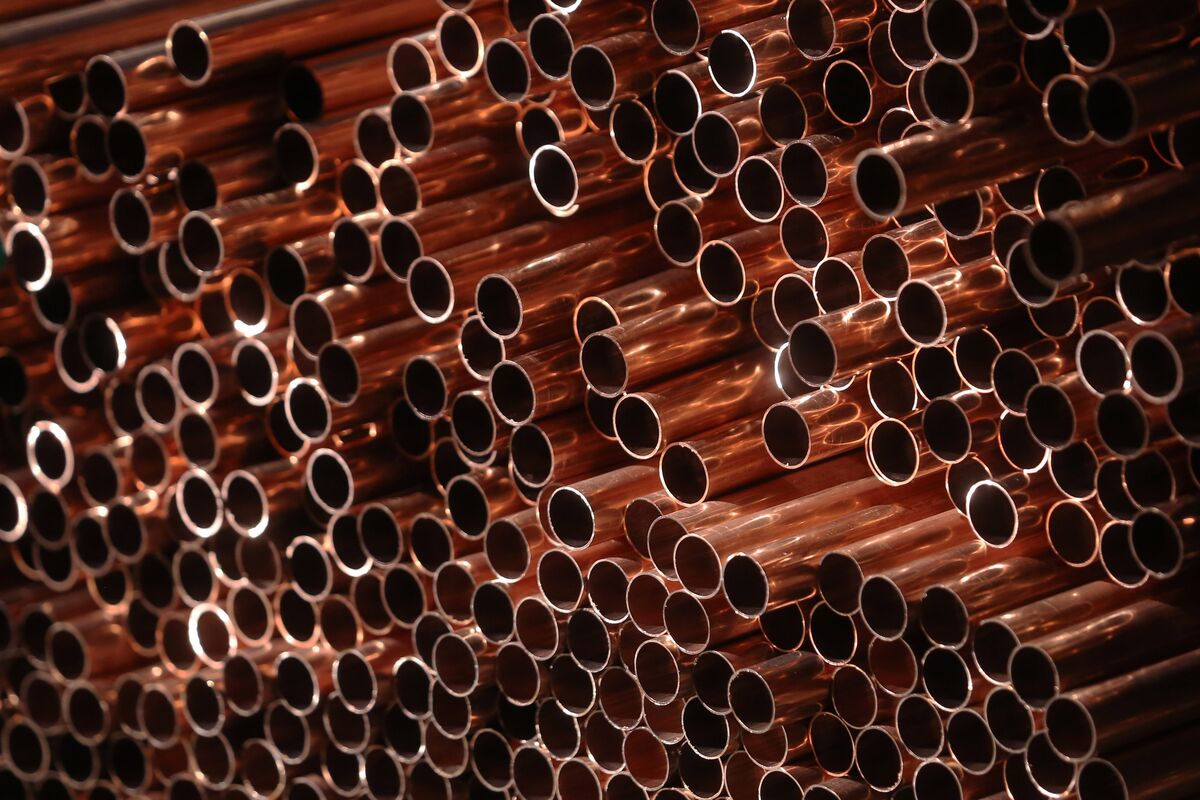
Copper prices are approaching record highs, trading just above $14,000 a ton, nearing their January all-time peak. This surge is fueled by supply concerns, including disruptions at major mining operations and geopolitical risks near the Strait of Hormuz, which is constraining shipments of metals and sulfur. Goldman Sachs has raised its year-end price target for copper by over 10% to $13,735 a ton, citing a significantly weaker supply outlook. Citigroup has also increased its copper price forecasts. HSBC warns of a potential commodity "super-squeeze" driven by strong demand for AI and grid upgrades, exacerbated by these supply chain risks.
Aluminum prices have climbed for the fourth consecutive day, reaching their highest point in over four years, also supported by global demand optimism and the ongoing Middle East conflict. In contrast, gold prices are declining, heading for a weekly loss of approximately 1.6% and trading around $4,465 per ounce. This decline occurs despite persistent Middle East tensions and elevated oil prices stemming from the Strait of Hormuz closure. Gold's weakness is attributed to robust U.S. jobs data, which reinforces expectations that the Federal Reserve will maintain higher interest rates for an extended period, acting as a headwind for the precious metal. Separately, central banks purchased 244 tonnes of gold in Q1 2026, providing a structural floor for the metal.
Crude oil prices experienced a rebound, falling to a low of $90.12 before finding support near the 100-hour moving average at $90.10. A subsequent recovery lifted prices to $93.23, pushing them back above the 200-hour moving average at $92.48 and suggesting a near-term bias towards buyers. In the agricultural sector, CBOT corn, soybean, and wheat futures declined amid speculation that potential U.S. tariffs could lead China to withdraw from a trade deal. Soybean exports increased week-over-week, with cumulative exports up 5.6% year-to-date, although July futures reached multi-month lows.