Key facts
- China is preparing a second LNG terminal, Longkou LNG.
- Longkou LNG is expected to be operational before October 2026.
- The terminal will handle cargoes from Russia's Arctic LNG 2 project.
- China's 15th Five-Year Plan (2026-2030) prioritizes renewable energy expansion.
- The plan aims for a 17% reduction in carbon intensity by 2030.
- Europe's heat pumps replaced over 200 LNG tankers' worth of gas imports last year.
- Europe avoided €9.7 billion in costs due to heat pump installations.
- France led Europe in heat pump installations with 528,000 units.
- India is on track for record Russian oil imports of 2.35 million barrels per day in June.
- Russian oil imports will account for over 53% of India's total oil imports in June.
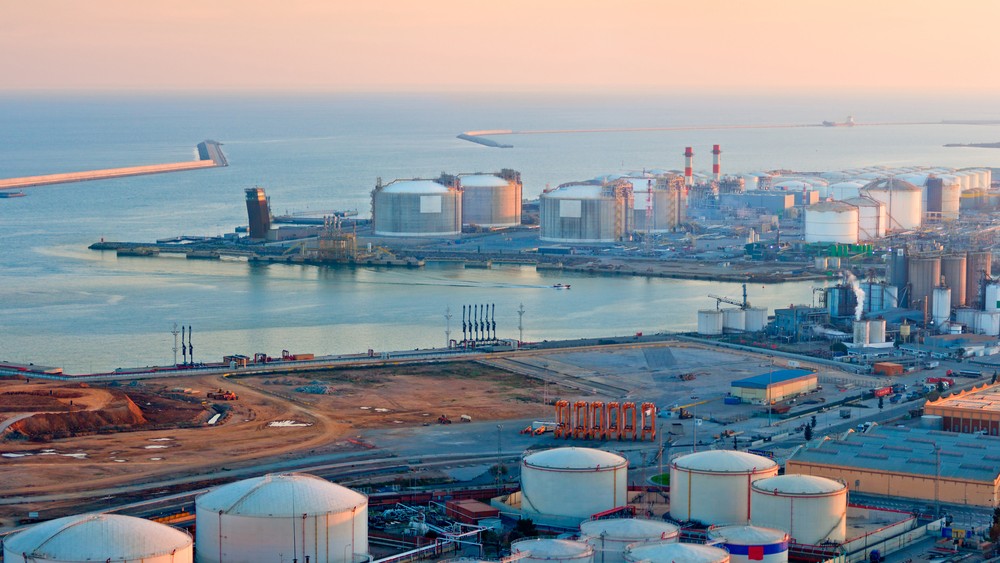
China is preparing to launch its second liquefied natural gas (LNG) terminal, Longkou LNG, which is expected to be operational before October 2026. This new facility is designed to receive sanctioned Russian LNG, particularly from Russia's Arctic LNG 2 project. Russian exporter Novatek is reportedly cutting prices to secure buyers for its cargoes. This development coincides with China's unveiling of its 15th Five-Year Plan for energy (2026-2030), which prioritizes the expansion of renewable energy sources and grid infrastructure. The plan aims for a 17% reduction in carbon intensity by 2030. However, the plan also softens coal policy and omits strict emissions caps, leading to questions about its effectiveness in meeting global climate objectives.
In Europe, heat pumps have demonstrated a substantial impact on reducing reliance on imported gas. Last year, these installations collectively replaced the equivalent of over 200 LNG tankers' worth of gas, resulting in avoided costs of €9.7 billion. France has emerged as the leader in heat pump installations, deploying 528,000 units, while Germany has recorded the largest year-on-year increase in adoption. These figures highlight a significant shift towards alternative energy solutions in Europe.
Concurrently, India is set to achieve a record high in its imports of Russian crude oil during June. Projections indicate imports will reach 2.35 million barrels per day, driven by substantial discounts offered by Russia and consistent demand from Indian refineries. This surge means Russian crude will constitute over 53% of India's total oil imports for the month. Analysts anticipate that India will continue these robust purchases, irrespective of any extensions to U.S. waiver programs related to Russian oil.