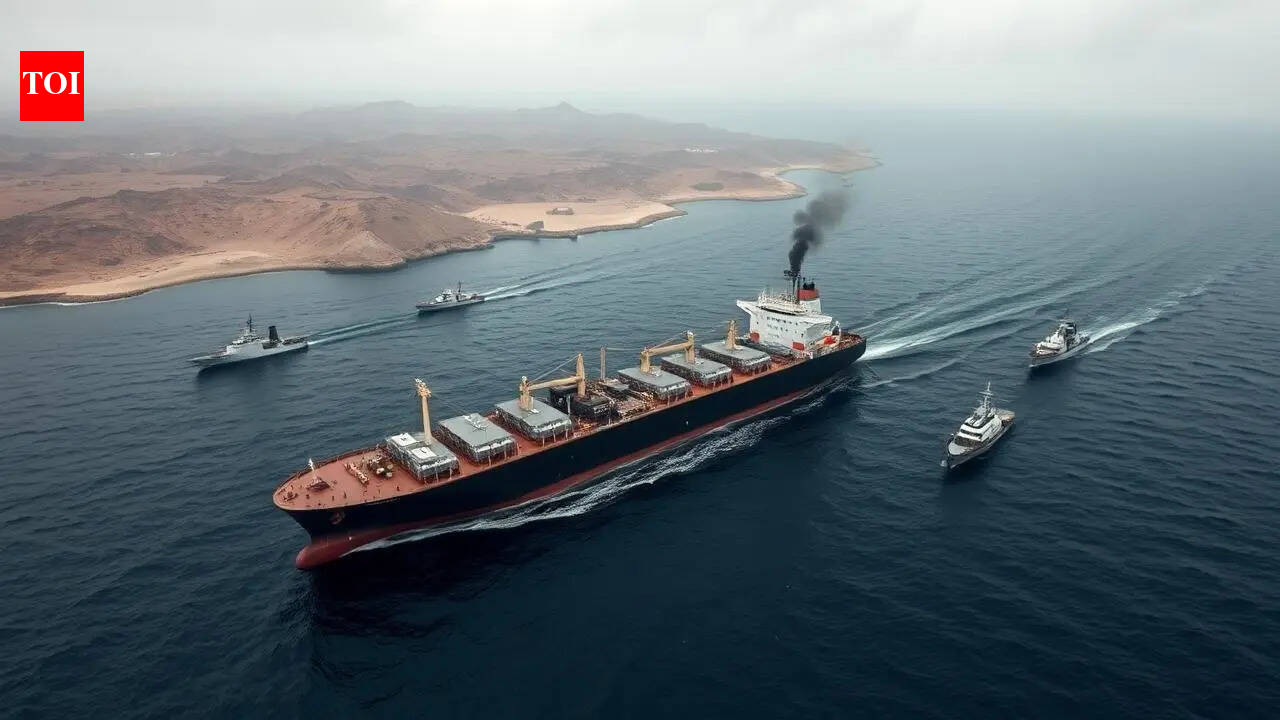
16 India-bound fertiliser ships stranded in Strait of Hormuz
window 24h
IN SHORT
Sixteen ships carrying fertilizers are stranded in the Strait of Hormuz, impacting global supply chains and potentially contributing to food inflation. While Indian officials assure sufficient domestic stock for the current sowing season, electronics manufacturers face component shortages and rising costs due to shipping delays. Middle East urea output has plunged, and even if the Strait reopens, a backlog and damaged infrastructure will delay shipments. India is finalizing imports and boosting domestic production with new plants to reduce import dependence, while also preparing for potential monsoon deficits and economic uncertainties.
✉Newsletter
PiQ Daily
Pick your topics. Get only what matters, on your cadence.
Key Numbers
16ships stranded in Strait of Hormuz
1.7 million tonnesurea to be imported by India
5 million tonnesurea and P&K fertilizers secured by India
25.4 lakh tonnescombined annual capacity of new urea plants
Who's Involved
India
nation facing fertilizer and component shortages, and economic uncertainties
Strait of Hormuz
key shipping route experiencing blockages
Nirmala Sitharaman
India's Finance Minister highlighting economic challenges
Ministry of Chemicals and Fertilizers
Indian ministry overseeing fertilizer production and self-reliance objectives
1 / 3
Key facts
Sixteen ships carrying fertilizers are stranded in the Strait of Hormuz.
Indian officials state fertilizer availability is comfortable for the current sowing season.
Middle East urea output has plunged.
Electronics manufacturers face component shortages and rising costs due to shipping delays.
India is finalizing the import of 1.7 million tonnes of urea.
India has secured over 5 million tonnes of urea and P&K fertilizers.
Two new urea plants with a combined annual capacity of 25.4 lakh tonnes are set to begin production soon.
India faces foreign exchange and crude oil price uncertainty.
India is preparing for a potential monsoon deficit.
Domestic fertilizer production has surged in recent years.
Sixteen ships laden with fertilizers, including urea and di-ammonium phosphate, are currently stranded in the Strait of Hormuz. Despite this blockage, Indian officials maintain that there are no major challenges anticipated for the current sowing season's fertilizer availability, with the country having secured over 5 million tonnes of urea and P&K fertilizers. However, even if an interim deal reopens the Strait of Hormuz, fertilizer shipments are unlikely to resume immediately due to a significant backlog of stranded vessels and damaged infrastructure. Middle East urea output has plunged, raising concerns about global food inflation.
Beyond fertilizers, Indian electronics manufacturers are experiencing critical shortages of components such as microprocessors and batteries, leading to disruptions in their production processes. These delays are exacerbated by vessel availability issues and uncertainty surrounding routes through the Strait of Hormuz, which is driving up costs for the electronics sector. India is actively working to mitigate these supply chain issues by finalizing the import of 1.7 million tonnes of urea to bolster domestic supply. Furthermore, two new urea plants with a combined annual capacity of 25.4 lakh tonnes are nearing commencement of production, aimed at reducing India's reliance on imports and aligning with the government's self-reliance objectives.
These developments occur against a backdrop of broader economic challenges. India's Finance Minister Nirmala Sitharaman has highlighted concerns regarding foreign exchange and crude oil price uncertainty, alongside rising fertilizer costs. The nation is also preparing for a potential monsoon deficit, though adequate buffer stocks have been maintained. The Ministry of Chemicals and Fertilizers has noted a surge in domestic fertilizer production in recent years, underscoring efforts towards self-sufficiency.
↳ Why This Matters
Sixteen ships laden with fertilizers, including urea and di-ammonium phosphate, are currently stranded in the Strait of Hormuz. Despite this blockage, Indian officials maintain that there are no major challenges anticipated for the current sowing season's fertilizer availability, with the country having secured over 5 million tonnes of urea and P&K fertilizers. However, even if an interim deal reopens the Strait of Hormuz, fertilizer shipments are unlikely to resume immediately due to a significant backlog of stranded vessels and damaged infrastructure. Middle East urea output has plunged, raising concerns about global food inflation.
Frequently asked questions
Sixteen India-bound ships carrying fertilizers are stranded in the Strait of Hormuz.
The ships are carrying urea, di-ammonium phosphate, ammonia, and sulfur.
India has imported 5 million tons of crop nutrients and has floated a global tender to import an additional 1.7 million tons of urea.
Officials have stated that they do not see any major challenge to the availability of fertilizers in the current sowing season.
The deadlock has led to over 40 India-bound vessels, carrying various cargo including LPG, LNG, crude, and fertilizers, being stuck in the Persian Gulf for over two months.
What Happens Next
01Efforts to persuade shipping lines to send vessels back to the Persian Gulf are ongoing.
02A resolution of the conflict impacting the Strait of Hormuz is awaited.
Get the newsletter.
Pick the topics you actually care about. We'll email when there's news worth your time, on the cadence you choose. Cancel any time from your account.