Key facts
- Sixteen India-bound ships carrying fertilizers are stranded in the Strait of Hormuz.
- The stranded vessels include 8 carrying urea, 4 with di-ammonium phosphate, 1 with ammonia, and 3 with sulfur.
- India has imported 5 million tons of crop nutrients and plans to import an additional 1.7 million tons of urea.
- Officials do not foresee major challenges to fertilizer availability for the current sowing season.
- Over 40 India-bound vessels carrying various cargo have been stuck in the Persian Gulf for over two months.
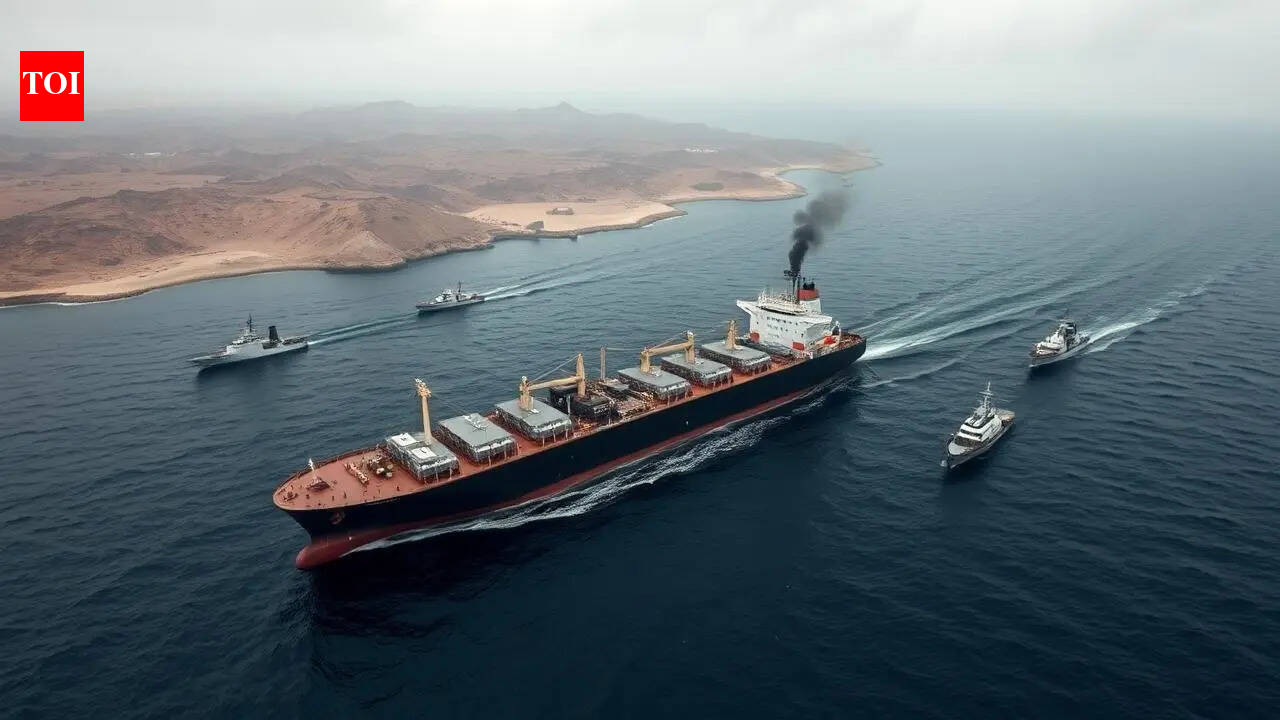
Sixteen ships bound for India, carrying essential fertilizers like urea, di-ammonium phosphate, ammonia, and sulfur, are currently stranded in the Strait of Hormuz. This situation arises amid a broader deadlock affecting transit through the crucial waterway, which has led to over 40 India-bound vessels being stuck in the Persian Gulf for more than two months.
Bandana Preyashi, a joint secretary in India's fertilisers ministry, stated that the stranded vessels include eight carrying urea (330,000 metric tons), four with di-ammonium phosphate (257,000 tons), one with ammonia, and three carrying sulfur (110,000 tons). Despite these blockages, Preyashi assured that India has already imported 5 million tons of crop nutrients and is tendering for an additional 1.7 million tons of urea, indicating no major challenges are expected for the current sowing season.
Officials noted that the prolonged deadlock has impacted energy security and fertilizer supplies, with a list of 41 priority vessels, including 18 carrying energy products and 16 with fertilizers, identified for potential evacuation. Efforts are ongoing to encourage shipping lines to resume passage through the Strait of Hormuz, with hopes for an early resolution of the conflict impacting commercial traffic.