All NewsEducationTV
Equities & FundsCrypto & Digital AssetsAI & TechnologyBusiness & CorporateUS Politics & PolicyGeopolitics & Global RiskMacro, Rates & FXCommodities & EnergyEuropean Politics & MarketsAsia-PacificReal Estate & Property
Story archiveAll categories
← All Stories

World faces fresh food price surge, FAO warns

Created at 5 Aug · 10:24 AM1 source↑ Market-relevant
IN SHORT

The world is on the verge of another bout of food inflation due to a combination of geopolitical conflicts and extreme weather, according to the chief economist of the UN's Food and Agriculture Organization. Maximo Torero expects commodity and food prices to increase by year-end and into next year.

✉Newsletter

PiQ Daily

Pick your topics. Get only what matters, on your cadence.

Key Numbers

3 to 6 monthstransmission time from commodity to food price
$32 billionprojected farmer losses in U.S. in 2027 without federal assistance
21%projected drop in Australia's winter crop production

Who's Involved

Maximo Torero
Chief Economist of the United Nations Food and Agriculture Organization
American Farm Bureau Federation
U.S. industry lobby group
World faces fresh food price surge, FAO warns

↳ Why This Matters

The projected increase in food prices could exacerbate global inflation, strain household budgets worldwide, and potentially push millions into acute food insecurity, particularly in vulnerable regions.

Key facts

  • The world is facing a new surge in food inflation due to geopolitical conflicts and extreme weather.
  • Maximo Torero, chief economist of the UN's Food and Agriculture Organization, warns of rising commodity and food prices.
  • Factors contributing to the surge include wars in Iran and Ukraine, El Nino, high oil prices, fertilizer loss, and diesel shortages.
  • The impact on consumer prices is expected to be delayed by three to six months.
  • Reduced planting decisions and shifts to lower-input crops are occurring globally.
  • Australia expects a 21% drop in winter crop production due to increased fuel and fertilizer costs.
  • The world is on the brink of another period of food inflation, driven by a confluence of factors including ongoing conflicts in Iran and Ukraine, and the El Nino weather phenomenon, according to Maximo Torero, chief economist at the UN's Food and Agriculture Organization (FAO).

    While food prices have been relatively stable this year, tempering broader inflation, this calm is expected to be short-lived. Torero anticipates that commodity prices will begin to rise, leading to increased food prices by the end of the year and more significantly in 2025. The transmission of these higher commodity costs to consumer food prices typically occurs with a three-to-six-month delay.

    Key inputs for food production, such as crude oil and natural gas, are being impacted. The Strait of Hormuz is a critical chokepoint affecting all agricultural commodity inputs, including Brent oil for processing and transportation, and natural gas for fertilizer production. Damage to Russia's oil and gas infrastructure by Ukraine further curtails export markets for diesel and natural gas, essential for food production.

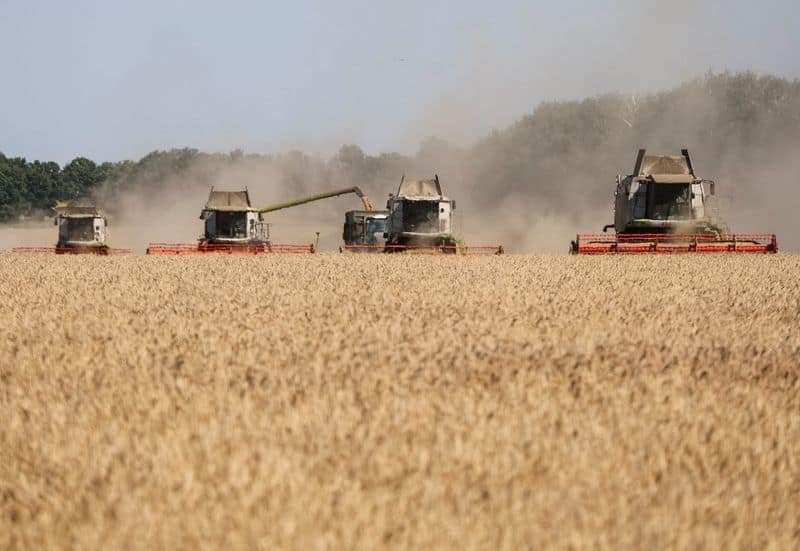
    These global commodity price pressures are affecting regions worldwide, including Europe, the U.S., Brazil, and Asia. Tight margins are already influencing planting decisions, with some U.S. farmers shifting to soybeans due to lower fertilizer requirements. Australia, a major crop exporter, forecasts a 21% decrease in its winter crop production, citing significant increases in fuel and fertilizer prices and uncertainty over input availability.

    Furthermore, the anticipated strong El Nino event is expected to significantly alter rainfall patterns, potentially impacting commodity prices and exacerbating global food insecurity. India's monsoon is already delayed and below average, posing a risk to rice production and global commodity costs.
    Frequently asked questions

    The expected surge is attributed to a combination of wars in Iran and Ukraine, the El Nino weather phenomenon, higher crude oil prices, loss of fertilizer from the Gulf region, and diesel shortages.

    The chief economist of the UN's Food and Agriculture Organization expects commodity prices to start increasing now, with food prices rising by the end of the year and more significantly next year.

    The transmission from commodity to final food price typically takes around three to six months.

    El Nino is expected to be especially strong this year, significantly shifting rainfall patterns, which could impact commodity prices and potentially push tens of millions into acute food insecurity.

    What Happens Next

    01Food prices are expected to increase by the end of the year.
    02Food prices are expected to increase more significantly next year.
    03El Nino is expected to impact rainfall patterns globally.
    04India's monsoon rainfall is expected to be below average this month.

    Get the newsletter.

    Pick the topics you actually care about. We'll email when there's news worth your time, on the cadence you choose. Cancel any time from your account.

    Cadence
    CME Headlines
    • Corn futures drop on declining crop conditions and export data.
      4 Aug · 7:53 PM
    • Corn futures drop on declining crop conditions and export data.
      4 Aug · 7:53 PM
    • Live Cattle futures rally as fund net longs hit two-year lows.
      4 Aug · 7:51 PM

    How It Developed

    The world faces a potential surge in food inflation.
    Wars in Iran and Ukraine, along with El Nino, are creating a perfect storm of higher costs and lower crop yields.
    Higher crude oil prices, loss of fertilizer, diesel shortages, and extreme weather are feeding into costs.
    Commodity prices are expected to increase, with food prices rising by year-end and more significantly next year.
    The transmission from commodity to final food prices takes about three to six months.
    Global wheat and corn planting was cut in the first three months of the Iran war.
    Some U.S. producers are shifting to soybeans due to lower fertilizer input requirements.
    Australia's winter crop production is seen down 21% due to increased fuel and fertilizer prices.

    Sources

    T1
    World faces fresh food price surge, FAO warnsReuters

    Related Stories

    LATAM Airlines lifts 2026 earnings outlook as fuel price pressure eases
    4 Aug · 11:10 PM
    Glencore: Energy markets highly sensitive to disruption
    5 Aug · 9:21 AM
    Adnoc keeps August sulphur price steady at $1,000/t; KPC cuts price
    4 Aug · 12:06 PM
    US Crude Oil Inventories Build as Peace Deal Rumors Emerge
    4 Aug · 9:11 PM
    China Eases Fuel Export Curbs Amid Global Supply Crunch
    5 Aug · 7:51 AM