Key facts
- India is predicted to experience a below-normal monsoon season in 2026 due to El Nino.
- Rainfall is forecast at 90% of the Long Period Average (LPA), the weakest since 2015.
- El Nino typically leads to drier conditions in India, impacting agriculture.
- Key kharif crops like pulses, oilseeds, and paddy are at risk.
- Food inflation is expected to rise, particularly for perishables.
- Rural incomes and demand for consumer goods may decline.
India is bracing for a potentially weak monsoon season in 2026, with forecasts indicating rainfall at 90% of the Long Period Average (LPA), the lowest since 2015. This prediction, driven by the onset of El Nino, raises significant concerns for the nation's agricultural sector, food security, and rural economy.
El Nino, a phenomenon characterized by warmer Pacific Ocean temperatures, typically disrupts weather patterns, leading to drier conditions in India. Historical data suggests a strong correlation between El Nino events and deficient rainfall, with 12 out of 16 El Nino years experiencing below-normal monsoons. The current forecast of 90% LPA rainfall is a downgrade from earlier estimates and falls below the 96%-104% range considered normal.
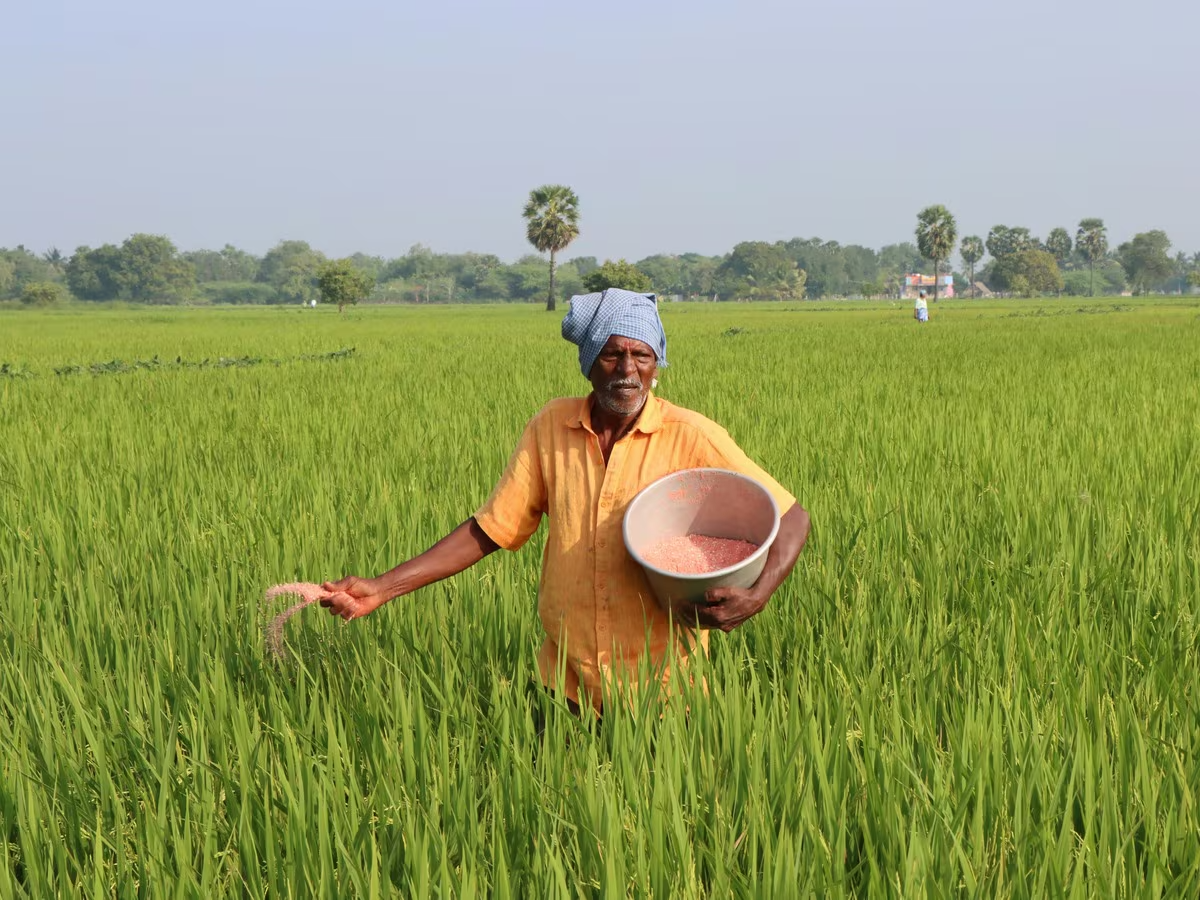
The agricultural sector, despite a reduced share in the overall economy, remains critical as it employs 43% of India's workforce. A weak monsoon poses a direct threat to the sowing of crucial kharif crops, including pulses, cotton, edible oilseeds, and maize, particularly in rain-dependent regions. While rice cultivation is relatively better protected due to widespread irrigation, other crops like tur dal face significant risks. Farmers in states such as Rajasthan, Maharashtra, and Karnataka are particularly vulnerable.
The anticipated rainfall deficit is expected to fuel food inflation, with potential price hikes for essential items like tomatoes, onions, and pulses. Retail inflation could rise to an average of 5.5% if food prices escalate. Furthermore, a decline in agricultural output could significantly impact the incomes of a large portion of India's rural population, leading to reduced demand for consumer goods like motorcycles and tractors.
Despite these challenges, some positive signs include adequate buffer stocks of major food grains and high reservoir levels, which could offer some relief for winter crops. However, the overall outlook suggests a double blow to the economy, impacting economic development, crop production, and household budgets.