All NewsEducationTV
Equities & FundsCrypto & Digital AssetsAI & TechnologyBusiness & CorporateUS Politics & PolicyGeopolitics & Global RiskMacro, Rates & FXCommodities & EnergyEuropean Politics & MarketsAsia-PacificReal Estate & Property
Story archiveAll categories
← All Stories

US Power Grid Faces Strain From Record Electricity Demand

Created at 13 Aug · 11:11 PM1 source↑ Market-relevant
IN SHORT

The U.S. power grid is expected to face record electricity demand in 2024 and 2025, largely driven by the expansion of data centers for artificial intelligence. Upgrades to the grid are necessary to meet this demand and support decarbonization efforts.

✉Newsletter

PiQ Daily

Pick your topics. Get only what matters, on your cadence.

Key Numbers

4,268 billion kWhprojected electricity consumption in US this year
4,391 billion kWhprojected electricity consumption in US in 2027
165%projected increase in global electricity demand from data centers by 2030

Who's Involved

Energy Information Administration
projecting record electricity demand
Big Tech
driving data center buildout and electricity demand
Donald Trump
previously paused wind and solar expansion
Goldman Sachs
projecting data center electricity demand growth
Irina Slav
author for Oilprice.com
US Power Grid Faces Strain From Record Electricity Demand

↳ Why This Matters

The strain on the U.S. power grid due to surging electricity demand, particularly from AI data centers, highlights a critical infrastructure challenge that could impact economic growth, technological advancement, and the transition to renewable energy. Failure to upgrade the grid could lead to blackouts and hinder decarbonization goals.

Key facts

  • US electricity demand is set to hit record highs in 2024 and 2025.
  • The growth in data centers for artificial intelligence is a major driver of this demand.
  • The current US grid infrastructure, designed for fossil fuels, needs significant upgrades.
  • Insufficient transmission lines and a shortage of transformers are critical grid constraints.
  • The grid's design is a challenge for integrating renewable energy sources like wind and solar.
  • Some tech companies are being required to secure their own power generation.

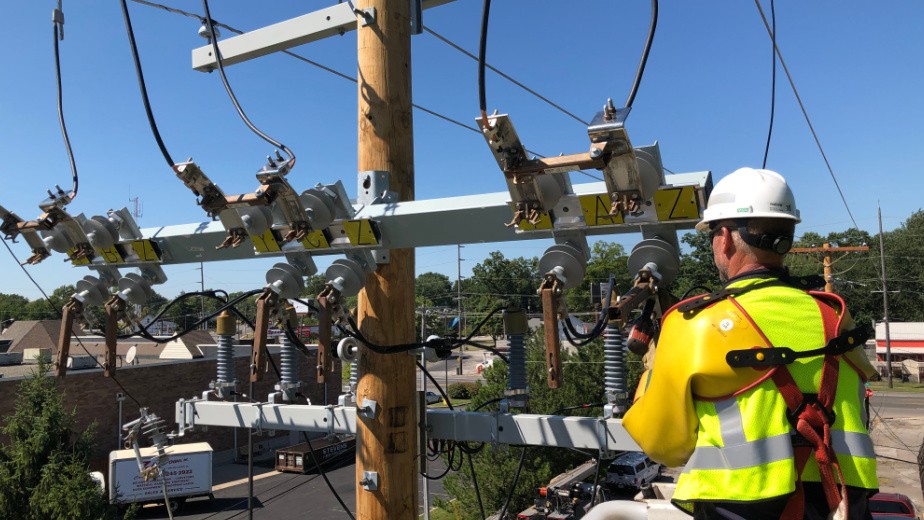
The United States is facing unprecedented electricity demand, with projections indicating record consumption in both 2024 and 2025, a trend expected to continue and potentially accelerate due to the burgeoning artificial intelligence sector and its associated data center buildout. This surge in demand presents a significant challenge for the nation's power grid, which requires substantial upgrades to accommodate the shift towards alternative energy sources and the concentrated energy needs of modern technology.

The current U.S. grid infrastructure was largely designed around traditional power plants fueled by coal and natural gas, prioritizing reliable, consistent supply. However, the integration of intermittent renewable sources like wind and solar is hampered by grid constraints, including insufficiently branched transmission lines that struggle to deliver power from generation sites to high-demand centers. This poses a major obstacle for decarbonization efforts, as renewable installations are often located far from population and industrial hubs.

Big Tech's insatiable appetite for electricity, particularly for training and operating large language models, is identified as the primary driver of the escalating demand. Goldman Sachs forecasts a staggering 165% increase in global electricity demand from data centers by 2030. The sheer speed of this growth raises concerns about the grid's capacity to reliably supply power not only to data centers but also to other consumers, leading some regional authorities to mandate that tech companies secure their own power generation.

The most critical challenge for the future of the U.S. power grid lies not in generation capacity but in transmission infrastructure. The network connecting generators to consumers is becoming a bottleneck due to the proliferation of new demand points and new supply from renewable sources. The existing grid needs more transmission lines to create space for this new capacity. Compounding this issue is a shortage of transformers, a direct consequence of rapid demand growth and alternative energy supply expansion, casting doubt on the feasibility of meeting projected electricity needs.

Frequently asked questions

The primary driver is the expansion of data centers for artificial intelligence and the IT industry. Population growth also contributes to the increased demand.

The grid's infrastructure, built for fossil fuels, is outdated for renewable energy sources. Key challenges include insufficient transmission lines, a shortage of transformers, and the need to deliver power from distributed renewable generation to demand centers.

Training and operating AI models require vast amounts of electricity, significantly increasing demand. A single query using advanced AI can use substantially more energy than a traditional search engine query.

Transmission is identified as the biggest challenge for the grid of tomorrow. Expanding the network of transmission lines is essential to connect new supply points (like wind and solar farms) with demand centers.

What Happens Next

01Tech companies may continue to be mandated to secure their own power generation.
02Further investment in transmission lines and transformers will be necessary.
03The pace of grid upgrades will be crucial for meeting future electricity demand.

Get the newsletter.

Pick the topics you actually care about. We'll email when there's news worth your time, on the cadence you choose. Cancel any time from your account.

Cadence
CME Headlines
  • Performance Bond Requirements: Agriculture — Effective August 14, 2026
    13 Aug · 10:15 PM
  • Live Cattle futures slid to lowest close since July 27.
    13 Aug · 9:32 PM
  • Live Cattle futures slid to lowest close since July 27.
    13 Aug · 9:32 PM

How It Developed

US electricity demand is projected to reach all-time highs in 2024 and 2025.
The IT industry and AI development are significant drivers of this increased demand.
The existing US power grid, built around fossil fuels, requires substantial upgrades to handle new energy sources and demand.
Grid constraints, including insufficient transmission lines and a shortage of transformers, pose challenges to reliable electricity supply.
Some regional authorities are mandating tech companies to secure their own power generation.
The primary challenge for the future grid is transmission capacity, not generation.

Sources

T1
U.S. Power Grid Strains Under Record Electricity DemandOilPrice.com

Related Stories

Venezuela braces for severe power, water cuts as El Niño looms
13 Aug · 10:09 AM
Extreme Weather Events Inflict Significant Economic Costs on Businesses
13 Aug · 10:07 AM
France's Nuclear Output to Fall 15% on Friday Due to Heatwave
13 Aug · 9:12 AM
US OCTG Demand Surges on War-Driven Oil Prices
13 Aug · 1:21 PM
Latin America braces for potential record El Niño, impacting food exports and trade
13 Aug · 10:14 AM