Key facts
- Venezuelans are being urged to conserve power and water due to the looming El Niño phenomenon.
- The country faces severe electricity outages and intermittent water supply, with daily cuts up to 10 hours.
- Venezuela has a significant shortfall in power generation capacity, with much of its thermal capacity out of service.
- Experts attribute the crisis to years of underinvestment and infrastructure deterioration, not solely El Niño.
- Government measures include reduced working days for public offices and mandatory elevator shutdowns in buildings.
Venezuelans are bracing for potentially more severe power and water shortages as the government calls for increased conservation measures in anticipation of the El Niño phenomenon. Interim President Delcy Rodriguez stated that El Niño is already affecting the country and could lead to drought before the end of the year, making conservation necessary.
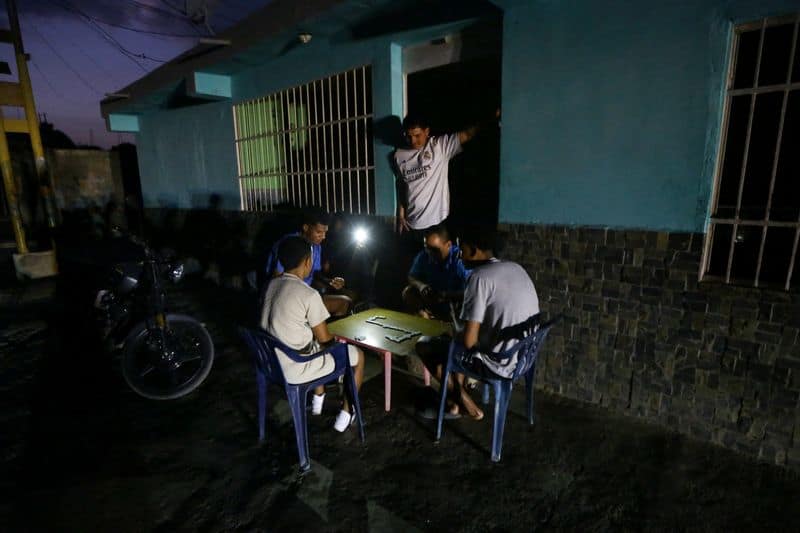
The call for conservation comes after months of already significant cuts, with daily electricity outages reaching up to 10 hours in some regions, alongside frequent equipment malfunctions and intermittent water supply. Residents express frustration and disbelief, questioning how they can conserve more when they already lack basic services.
Venezuela's power infrastructure is severely degraded, with less than half of its installed capacity available and a significant shortfall between supply and demand. Years of underinvestment and delayed maintenance have rendered most thermal power capacity inoperable, increasing reliance on hydropower. While the government has promised to restore a substantial amount of capacity by year-end through new contracts, past unfulfilled promises have led to widespread skepticism.
Experts argue that El Niño is merely exacerbating a long-standing crisis rooted in years of underinvestment in generation and the deterioration of transmission and distribution networks. The potential for drought and wildfires also poses a threat to agricultural output.
In response to the crisis, the government has implemented measures such as ordering office buildings and malls to shut down elevators for three hours daily and reducing working days for some ministries and public offices. Businesses and farms anticipate lower output and revenue losses if services tighten further, while some healthcare facilities are relying on generators. The lack of certainty over the power system's restoration raises concerns about foreign investment and business growth.