Key facts
- Latin America is bracing for a potentially record-strong El Niño event.
- El Niño typically causes heavier rainfall in the south and drought in the north of the region.
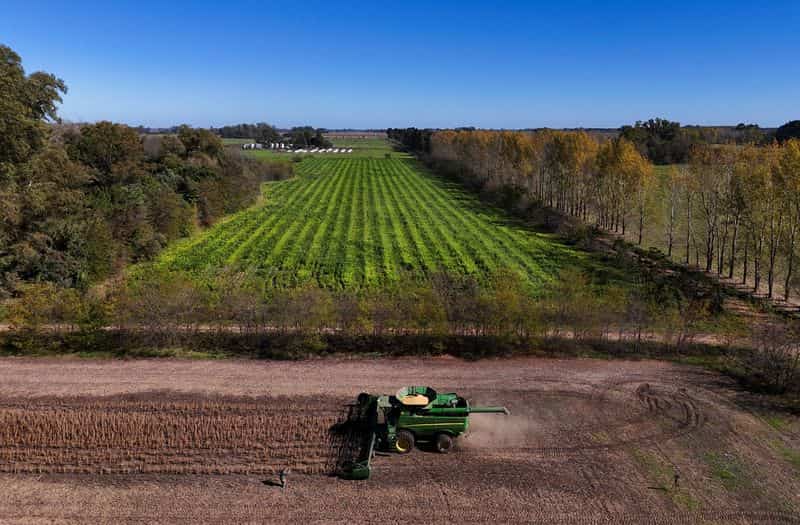
- Increased rainfall in southern agricultural areas could benefit soybean, corn, and wheat harvests.
- Drier conditions in northern Brazil threaten the Amazon basin's river network and key soybean export routes.
- The Panama Canal is implementing weight restrictions due to drought, impacting shipping costs and trade.
- Warmer sea temperatures are affecting fishing catches, particularly in Peru.
Latin America is preparing for a potentially record-breaking El Niño, a climate phenomenon characterized by unusually warm sea surface temperatures in the Pacific Ocean that disrupts global weather patterns. Experts anticipate this El Niño could be the strongest on record, raising concerns about its impact on the region, a top global food exporter.
In the southern agricultural heartlands of Argentina, Paraguay, Uruguay, and southern Brazil, El Niño typically brings increased rainfall, which could benefit soybean, corn, and wheat harvests by providing necessary soil moisture. However, excessive humidity may also lead to an increase in fungal diseases and nutrient loss from fertilized fields. Furthermore, muddy or flooded roads could impede farmers' access to their fields for essential agricultural tasks, and heavy rains might cause flooding in urban areas and along transport routes to ports.
Conversely, northern parts of Latin America are expected to face drought conditions. Drier weather in northern Brazil could increase demand for Argentine natural gas to power thermal plants. The Amazon basin's vital river network, crucial for soybean exports, is also threatened by these drier conditions. Brazil, Colombia, and Venezuela are forecast to experience increased risks of drought, extreme heat, and wildfires, impacting crop and livestock production.
The Panama Canal, a critical global trade route, is already implementing restrictions on ship weights due to drought and insufficient freshwater levels. These limitations force vessels to carry less cargo, increasing shipping costs and potentially disrupting trade flows. The canal authority is also facing growing competition for passage as some ships seek alternative routes due to security tensions in the Middle East.
Warmer sea temperatures associated with El Niño are also affecting marine ecosystems, pushing commercial fishing species into deeper waters and reducing catches. Peru's fishing industry has already seen a significant drop in activity.