Key facts
- The 2026 Iran war, including the closure of the Strait of Hormuz, caused significant global oil market disruption.
- Oil and LNG exports were stranded, leading to a surge in Brent Crude prices and force majeure declarations.
- Production from several Gulf states dropped significantly, impacting global supply.
- The conflict triggered a grocery supply emergency and a second major energy crisis for Europe.
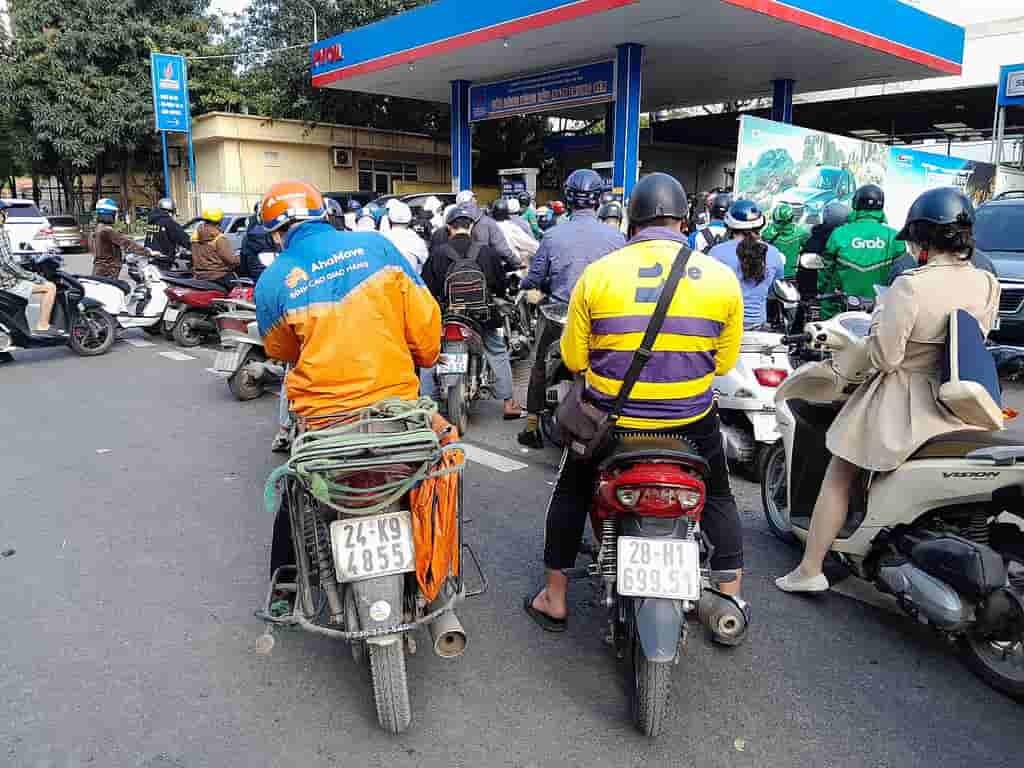
- Despite a tentative peace deal, consumers may face lingering high prices for gasoline, groceries, and flights due to persistent supply chain issues and changed habits.
The 2026 Iran war, marked by the closure of the Strait of Hormuz, has resulted in the most significant supply disruption in the global oil market's history, according to the International Energy Agency. This conflict has led to acute supply shortages, currency volatility, inflation, and increased risks of stagflation and recession, drawing parallels to the 1970s energy crisis. Global stock markets declined, and a sell-off occurred in the bond market.
Arab states of the Persian Gulf and Iran rely heavily on the Strait of Hormuz for energy and imports. Following its closure on March 4, 2026, oil and LNG exports were stranded, causing Brent Crude to surge past $120 per barrel and forcing QatarEnergy to declare force majeure. Oil production from Kuwait, Iraq, Saudi Arabia, and the UAE collectively dropped by at least 10 million barrels per day by March 12. The maritime blockade also triggered a "grocery supply emergency" in GCC states, disrupting food imports and causing consumer prices to spike by 40-120%. Iranian strikes on desalination plants have raised fears of a humanitarian crisis.
The war precipitated a second major energy and economic crisis for Europe, primarily due to the suspension of Qatari liquefied natural gas and the Strait of Hormuz closure. Coinciding with historically low European gas storage levels, Dutch TTF gas benchmarks nearly doubled. Consequently, the European Central Bank postponed planned interest rate reductions on March 19, raising its inflation forecast and cutting GDP projections.
Despite a tentative deal to end the Iran war, experts suggest that consumers may not see immediate price relief for gasoline, groceries, and airline tickets. Refineries typically pay for crude oil in advance, meaning it takes weeks for cheaper products to reach consumers. Furthermore, habits formed during the conflict, such as reduced driving and a shift to more fuel-efficient vehicles, could persist, potentially impacting long-term gasoline demand recovery.