Key facts
- The U.S. is developing Iraq's first liquefied natural gas (LNG) import terminal.
- Excelerate Energy, a U.S. firm, will manage the project, financing, and operation.
- Operations are scheduled to begin in the second quarter of 2027.
- The terminal will have a guaranteed regasification capacity of 500 million standard cubic feet per day.
- The project is seen as a strategic move by the U.S. to counter Iranian and Chinese influence in Iraq.
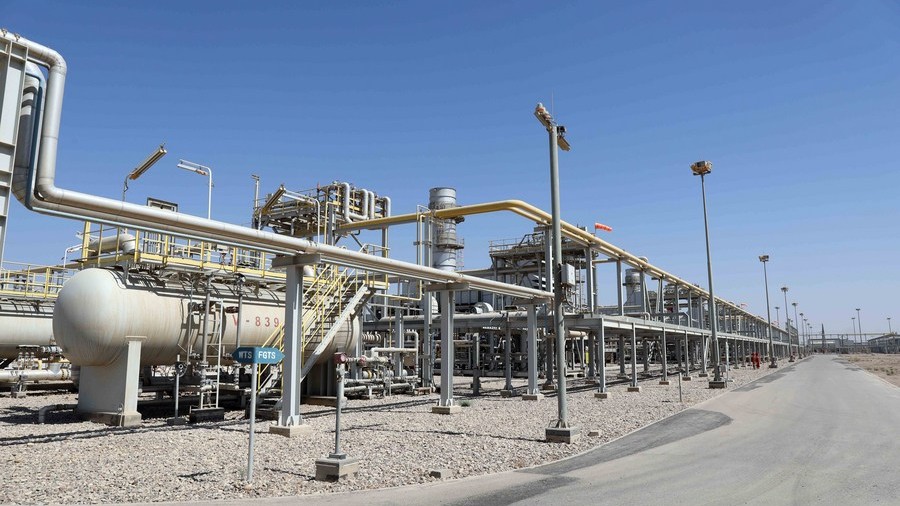
The United States is quietly advancing a significant energy initiative in Iraq, centered around the construction of the country's first liquefied natural gas (LNG) import terminal. Developed, financed, and operated by the U.S.-based Excelerate Energy, the project is slated to commence operations in the second quarter of 2027. This development is viewed by Washington as a strategic move to diminish the influence of Iran and China in Iraq and to reassert U.S. energy diplomacy in the Middle East.
The project, located at the Port of Khor Al Zubair, has an initial budget of $450 million and is designed to handle 500 million standard cubic feet per day (MMscf/d) of regasification capacity, with Iraq committing to a minimum daily offtake of 250 MMscf/d. The U.S. sees this LNG hub as a critical tool to counter the economic and political ties Iraq has forged with Iran and China, particularly through agreements like the 'Oil for Reconstruction and Investment' and the 'Iraq-China Framework Agreement'. These deals have historically allowed Iran to circumvent sanctions by disguising its oil exports as Iraqi oil, a practice facilitated by shared oil fields.
Furthermore, the U.S. initiative aims to disrupt China's 'Belt and Road Initiative' in the region by fostering normalization deals between Arab states and Israel, brokered by Washington. The U.S. is strategically positioned to lead this effort, especially given infrastructure damage to regional LNG suppliers and its own status as the world's leading LNG exporter. Projections indicate U.S. LNG export capacity could double by 2031 compared to 2024 levels, underscoring its growing role in global energy markets.