Key facts
- Gulf oil producers are rerouting shipments to avoid the Strait of Hormuz, leading to record-high tanker rates.
- Saudi Aramco is using ship-to-ship transfers off Fujairah, UAE, to deliver crude to Asian buyers.
- Geopolitical tensions, including Houthi attacks and expired US-Iran MoUs, are impacting shipping.
- US refinery operations are being pushed to increase throughput amid high gasoline prices.
- China's major shipping companies are avoiding Hormuz and Bab el-Mandeb, collecting barrels from Fujairah and Oman.
Gulf oil producers are increasingly finding ways to circumvent the Strait of Hormuz, the world's busiest oil chokepoint, as geopolitical tensions and attacks on shipping lanes escalate. This strategic shift has led to a dramatic surge in Very Large Crude Carrier (VLCC) rates, with daily earnings for voyages from the Middle East to China reportedly exceeding $500,000.
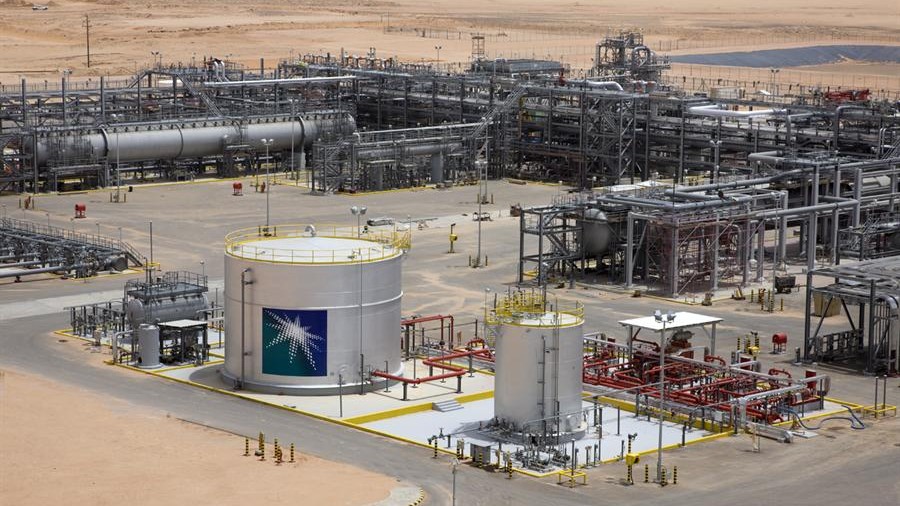
Saudi Aramco has resumed crude loadings at its Ras Tanura export terminal and is facilitating ship-to-ship transfers off Fujairah in the UAE, allowing Asian buyers to receive cargoes without tankers entering the Strait. This bypass strategy has driven up fixing costs for inside-Hormuz cargoes significantly. Several Saudi-origin VLCCs have been privately booked, bypassing traditional brokers, as shipping companies seek to capitalize on the lucrative trade.
The number of empty VLCCs has fallen to a five-year low, indicating tight vessel availability. Meanwhile, geopolitical factors are further influencing oil prices and shipping routes. US President Donald Trump's threats towards Oman and acknowledgment of no scheduled US-Iran talks have contributed to rising oil prices, with Brent crude trading at $91 per barrel. The expiration of a 60-day Memorandum of Understanding between the US and Iran, coupled with assertive Houthi attacks in the Bab el-Mandeb Strait, adds to the complex risk environment.
Despite the challenges, some regions are seeing activity. Chinese refinery runs saw a slight month-on-month increase in July, though they remain below previous year levels. Libya is seeking substantial foreign investment to boost its oil production. In contrast, traffic through the Strait of Hormuz remains minimal, with very few commodity vessels, and no VLCCs or LNG tankers, observed recently.
In other market movements, Argentinian producer Vista Energy saw its shares jump following a significant stake acquisition by Peter Thiel. Chevron announced an oil discovery offshore Angola, while Shell lost a legal battle against environmental activists in South Africa. Targa Resources plans to build new natural gas processing plants in the Permian Delaware basin, and Equinor has acquired a Pennsylvania power plant to boost its gas-fired generation portfolio. Brazil's Petrobras reported positive exploration results, and the US diesel crack reached an all-time high amid falling inventories. Canada's West Coast pipeline project gained producer backing, and China aims to expand its natural gas storage and import capacity. Germany's River Rhine faced navigation halts due to extremely shallow water, and Saudi Aramco's Jizan refinery was targeted again by Houthi drones, pushing more crude towards Mediterranean loading points. A drone attack on a Greek tanker revived risks in the Black Sea.