All NewsEducationTV
Equities & FundsCrypto & Digital AssetsAI & TechnologyBusiness & CorporateUS Politics & PolicyGeopolitics & Global RiskMacro, Rates & FXCommodities & EnergyEuropean Politics & MarketsAsia-PacificReal Estate & Property
Story archiveAll categories
← All Stories

Supertanker Rates From Gulf to China Surge to $510,000 Daily

Created at 18 Aug · 1:51 PM1 source↑ Market-relevant
IN SHORT

Daily rates for supertankers shipping crude from the Persian Gulf to China have reached $510,000, the highest in two months. This surge reflects tanker owners' willingness to brave security risks in the Strait of Hormuz for lucrative earnings as producers aim to deliver oil to Asian buyers.

Key Numbers

$510,000daily rate for supertanker charter
two monthshighest rate in

Who's Involved

Baltic Exchange
compiled tanker rate data
Fearnleys
shipbroker commenting on vessel activity
Charles Kennedy
author for Oilprice.com
Supertanker Rates From Gulf to China Surge to $510,000 Daily

↳ Why This Matters

The surge in supertanker rates highlights the significant financial rewards available to shipping companies willing to operate in a high-risk environment, driven by geopolitical tensions and sustained demand for Middle Eastern crude in Asia.

Key facts

  • Daily rates for supertankers on the Middle East Gulf-to-China route hit $510,000.
  • This rate is the highest seen since the end of June.
  • The increase is driven by security concerns in the Strait of Hormuz and demand from Asian buyers.
  • Tanker traffic through the Strait of Hormuz has decreased.
  • Vessel operators are limiting public information about ship movements.

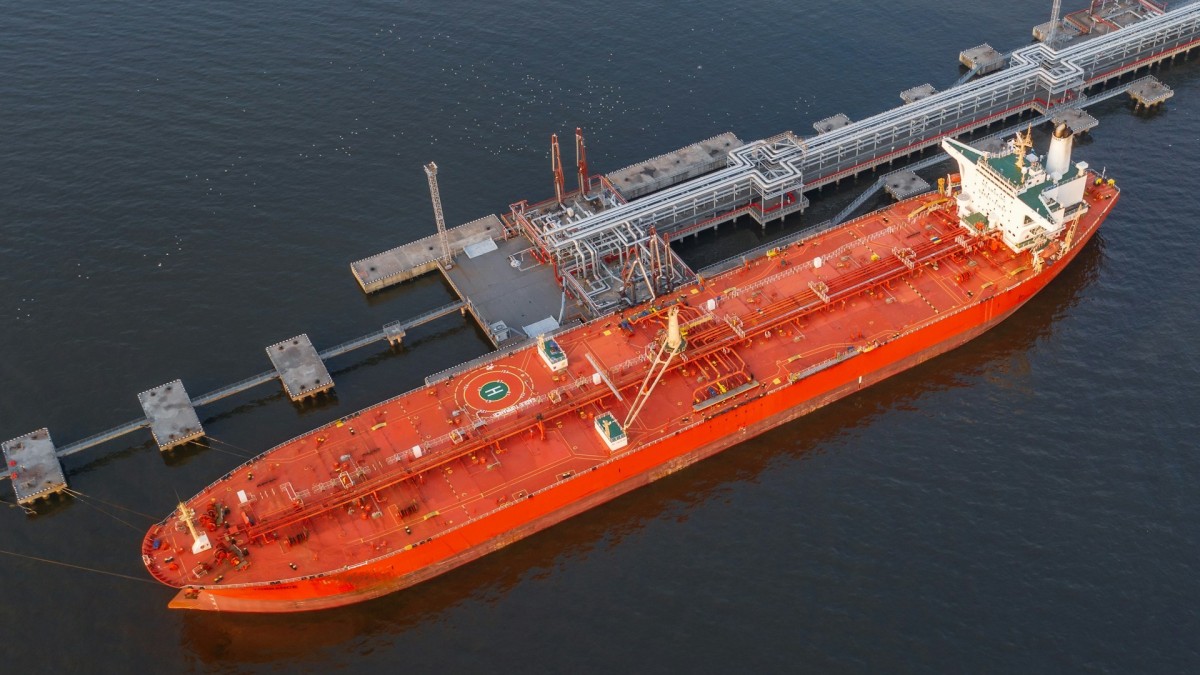
The daily rate for chartering a supertanker to transport crude oil from the Persian Gulf to China has surged to $510,000 per day, the highest level in two months. This significant increase, recorded on Monday, reflects tanker owners' willingness to navigate the Strait of Hormuz despite heightened security risks.

According to data compiled by Bloomberg from the Baltic Exchange, this benchmark rate for very large crude carriers (VLCCs) has not been this high since the end of June. The lucrative earnings potential is attracting owners with a higher risk tolerance, as they venture into the Persian Gulf for cargoes and transit the chokepoint outbound to Asia.

Shipbroker Fearnleys noted that vessel operators are deliberately limiting information about ship movements to avoid attracting hostile attention. The broker stated that substantial profits are available for those willing to take risks in the Persian Gulf loading zones.

The surge is primarily driven by the deteriorating security situation in the Strait of Hormuz and the demand from Persian Gulf oil producers to ship their crude to Asian markets. Tanker traffic through the Strait of Hormuz saw a further dip over the weekend. Analysts are finding it difficult to estimate the volume of oil leaving the Middle East in 'dark mode' with transponders switched off.

Frequently asked questions

A Very Large Crude Carrier (VLCC) is a type of oil tanker used for transporting crude oil, typically with a capacity of around 2 million barrels.

The Strait of Hormuz is a narrow waterway connecting the Persian Gulf to the Gulf of Oman and the open ocean, serving as a critical chokepoint for global oil transportation.

Dark mode refers to vessels switching off their Automatic Identification System (AIS) transponders, making them difficult to track and obscuring their cargo and destination.
CME Headlines
  • Resetting of Price Limits for Lean Hog Futures and Pork Cutout Futures
    18 Aug · 2:15 PM
  • Live Cattle futures steady as Feeder Cattle and Lean Hogs see choppy trade.
    17 Aug · 8:14 PM
  • Live Cattle futures steady as Feeder Cattle and Lean Hogs see choppy trade.
    17 Aug · 8:14 PM

How It Developed

The daily rate for chartering a supertanker from the Persian Gulf to China increased this week.
The benchmark Middle East Gulf-to-China rate for a VLCC reached $510,000 per day on Monday.
This is the highest daily rate for shipping Middle East Gulf crude on supertankers since late June.
The rate surge is attributed to deteriorating security in the Strait of Hormuz and producers seeking vessels for Asian markets.
Observable tanker traffic at the Strait of Hormuz decreased over the weekend.
Shipbrokers noted that operators are less inclined to advertise vessel movements due to security concerns.

Sources

T1
Gulf-to-China Supertanker Rates Hit $510,000 a DayOilPrice.com

Related Stories

US-Iran Tensions Boost Oil Prices, Diesel Margins Reach Record Highs
18 Aug · 4:51 AM
China Boosts Fuel Exports as Domestic Stockpiles Swell
18 Aug · 8:56 AM
Hormuz Strait tanker traffic data contradicts official claims
17 Aug · 6:50 PM
US to unveil steps to boost refinery fuel output amid high gas prices
17 Aug · 4:06 PM
Oil Rises Over $90 as Iran Tensions Escalate and Strait of Hormuz Deal Remains Elusive
17 Aug · 9:51 PM