Key facts
- Ukraine has targeted multiple Russian oil refineries with long-range drones in 2026.
- At least six major Russian oil refineries have been partially or fully shut down since June.
- The Lukoil-Nizhegorodnefteorgsintez refinery was hit twice in early July, forcing repeated shutdowns.
- The Gazprom Omsk Oil Refinery, Russia's largest, sustained damage to its primary oil refining unit.
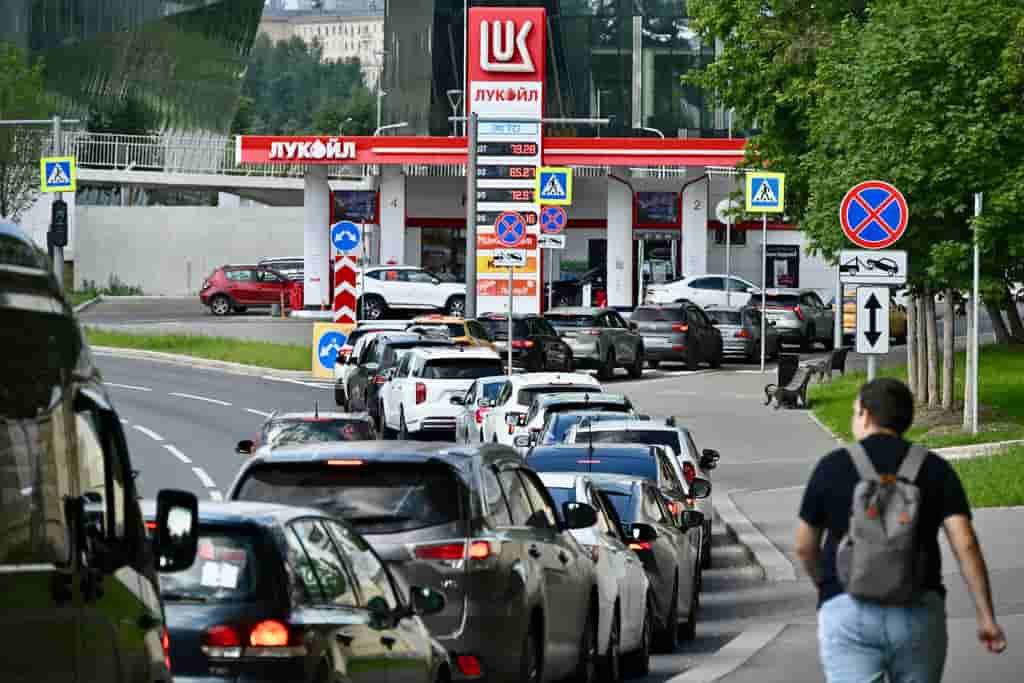
- Fuel shortages have led to widespread rationing and long queues across more than 40 Russian regions.
- The attacks are impacting the Russian economy and bringing the war's reality to citizens.
Ukraine's sustained drone campaign against Russian oil refineries has crippled fuel production, leading to widespread shortages and rationing across Russia. The attacks, described by President Volodymyr Zelensky as 'Ukrainian long-range sanctions,' have targeted nearly every major refinery, forcing shutdowns and significantly impacting the country's ability to both run its economy and wage war.
The Lukoil-Nizhegorodnefteorgsintez refinery, Russia's fourth-largest, was hit on June 24 and again on July 2, forcing it to restart operations only to be shut down once more. The Gazprom Omsk Oil Refinery, the country's largest and located approximately 2,445 kilometers from Ukrainian-controlled territory, was struck on July 6, with critical components like the primary oil refining unit taking direct hits and halting production. This marks the sixth major Russian oil refinery to experience partial or full shutdowns since the start of June.
Even the heavily defended Moscow Oil Refinery was attacked twice in mid-June, causing severe damage that is expected to keep it out of action until 2027. Only the Rosneft Angarsk Refinery in Eastern Siberia, situated about 4,450 kilometers from Ukraine, has remained untouched, largely due to its remote geographical location.
The fuel shortages have brought the reality of the war home for many Russians, breaking an unspoken bargain that the conflict could be ignored as long as it was not opposed. Long queues for gasoline and diesel have become common, with many regions implementing fuel rationing. This situation has led to disruptions in critical state services and opportunistic scalping of fuel and queue positions.
According to Ukraine's General Staff, 42.74% of Russian refining capacity was disabled as of July 4, though independent analysts like the International Energy Agency (IEA) assess it at over 20%. The IEA described the level of disruption as unprecedented in the conflict's history. Russian President Vladimir Putin acknowledged the fuel availability issues, noting challenges for agricultural producers.
The economic strain is exacerbating war weariness among Russians, with Gallup polling showing 60% viewing the economy as worsening, the highest figure in two decades. Herman Gref, CEO of Sberbank, stated that ending military hostilities is the primary concern for most Russians. Analysts like Alan Riley note that the attacks on export infrastructure hit revenue, while refinery attacks impact both the economy and the ability to wage war.