Key facts
- Qatar shut its Ras Laffan LNG export facility after an Iranian drone attack.
- European gas prices surged by up to 54%, reaching a one-year high.
- The Ras Laffan plant accounts for approximately one-fifth of global LNG supply.
- QatarEnergy declared force majeure on contracted LNG deliveries.
- Israel temporarily closed some of its gas fields, including Leviathan.
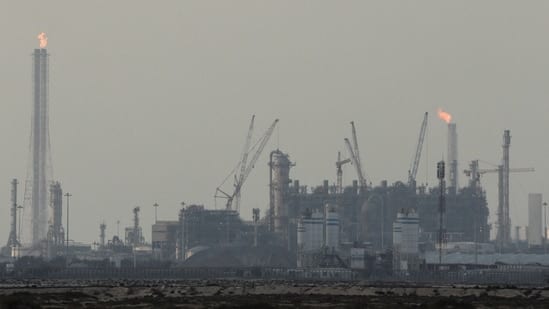
Qatar has halted production at its Ras Laffan facility, the world's largest liquefied natural gas (LNG) export plant, following an Iranian drone attack. The unprecedented shutdown, which accounts for about a fifth of global LNG supply, has sent European gas prices surging by as much as 54% and rattled global markets.
While Asian countries are the primary buyers of Middle Eastern LNG, the disruption is expected to increase competition for alternative supplies and drive up prices worldwide. European gas inventories are currently low, necessitating significant LNG imports this summer to replenish reserves before winter. Traders are assessing the duration of the shutdown, with benchmark prices reaching a one-year high.
QatarEnergy has declared force majeure, a clause allowing it to miss contracted deliveries due to events beyond its control. There have been no immediate reports of damage at the facility. The duration of the disruption is a key concern for traders, with Goldman Sachs estimating that a month-long halt in shipping through the Strait of Hormuz could more than double European gas prices.
Adding to market tightness, Israel ordered the temporary closure of some of its gas fields, including the Leviathan, prompting Egypt to seek additional LNG cargoes. Disruptions in the Middle East could also eventually increase spot LNG demand from Turkey. The conflict escalated with blasts heard across Israel, Saudi Arabia, Qatar, and the UAE as Iran launched retaliatory strikes.