HomeAll NewsEducationTV
Equities & FundsCrypto & Digital AssetsAI & TechnologyBusiness & CorporateUS Politics & PolicyGeopolitics & Global RiskMacro, Rates & FXCommodities & EnergyEuropean Politics & MarketsAsia-PacificReal Estate & Property
Story archiveAll categories
← All Stories

Tanker crossings in Strait of Hormuz hit 2.5-month low amid risks

Created at 24 Jul · 3:56 AM1 source↑ Market-relevant
IN SHORT

Tanker traffic through the Strait of Hormuz fell to one vessel on July 23, the lowest since May 7, according to Kpler data. This decline coincides with rising oil prices and ongoing shipping risks in the Middle East.

✉Newsletter

PiQ Daily

Pick your topics. Get only what matters, on your cadence.

Key Numbers

1tanker crossing Strait of Hormuz on July 23
2.5 monthslowest level since May 7
$100oil price per barrel
3tankers crossed Strait of Hormuz on July 22
13consecutive nights of strikes on Iran
32tanker crossings at Bab el-Mandeb on July 23
26tanker crossings at Bab el-Mandeb on July 22
14tankers going into Red Sea on July 23
18tankers exiting Bab el-Mandeb on July 23
2supertankers bound for China exiting Bab el-Mandeb
500,000barrels of naphtha on Torm Innovation

Who's Involved

Kpler
analytics firm providing shiptracking data
New Giant
very large crude carrier exiting Strait of Hormuz
U.S. military
conducted strikes on Iran
Torm Innovation
clean tanker rerouting via Suez Canal
Saudi Aramco
offering additional crude cargo loading at Sidi Kerir
Tanker crossings in Strait of Hormuz hit 2.5-month low amid risks

↳ Why This Matters

The reduced tanker traffic through the Strait of Hormuz, a critical chokepoint for global oil supply, coupled with rising oil prices and ongoing geopolitical tensions, signals potential supply disruptions and increased costs for energy markets.

Key facts

  • Only one tanker crossed the Strait of Hormuz on July 23, the lowest figure since May 7.
  • The number of tankers crossing the strait was down from three the previous day.
  • Oil prices surged back to $100 a barrel.
  • The U.S. military reported completing 13 consecutive nights of strikes on Iran.
  • Tanker crossings at the Bab el-Mandeb strait totaled 32 on July 23, an increase from 26.

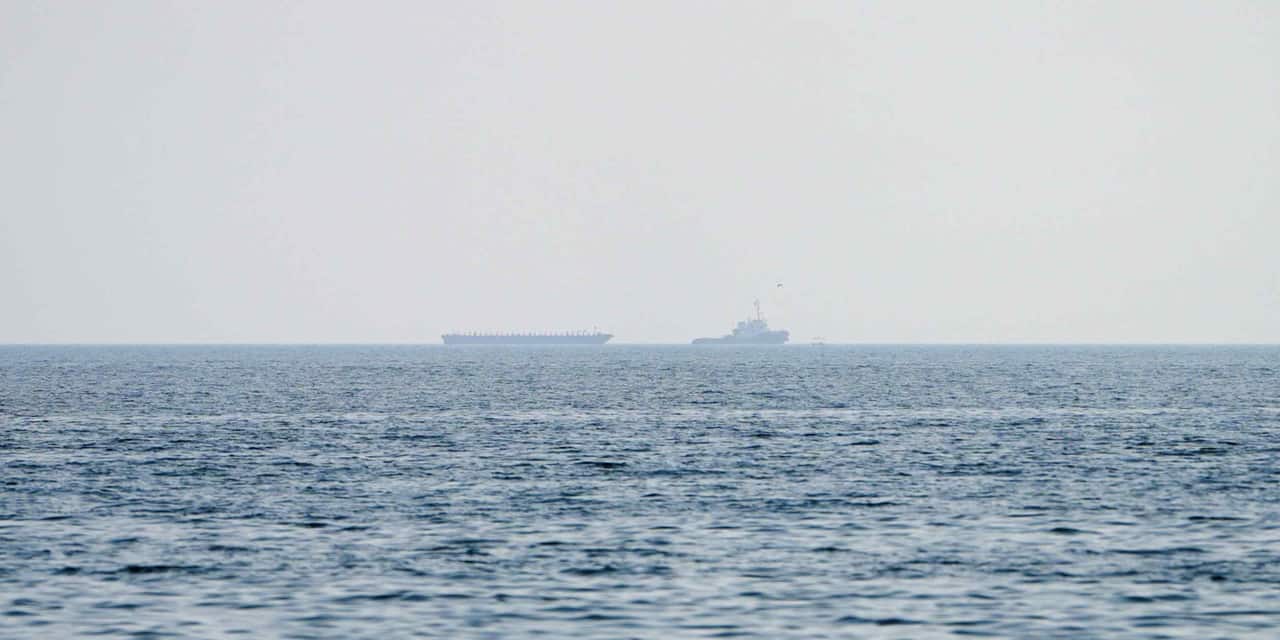
The number of tankers traversing the Strait of Hormuz dropped to a single vessel on Thursday, July 23, marking the lowest traffic since May 7, according to data from analytics firm Kpler. This decrease occurs amidst heightened shipping risks in the Middle East and a resurgence in oil prices to $100 per barrel.

The very large crude carrier New Giant, carrying 2 million barrels of Iraqi Basrah crude, was the sole tanker to exit the strait on Thursday, with an expected arrival in China by mid-August. No ships entered the Strait of Hormuz on the same day.

Meanwhile, traffic at the Bab el-Mandeb strait saw an increase, with 32 commodity tanker crossings on July 23, up from 26 the previous day. Of these, 14 tankers were heading into the Red Sea and 18 were exiting into the Gulf of Aden. Among those exiting, nine carried crude oil, including two Chinese supertankers.

In a separate development, the clean tanker Torm Innovation, carrying approximately 500,000 barrels of naphtha destined for Asia, has altered its course towards the Suez Canal exit instead of the typical Bab el-Mandeb route. Regional trade sources indicated that rerouting via the Suez Canal could nearly triple the voyage duration. In response to these disruptions, Saudi Aramco has begun offering additional crude cargo loading at Egypt's Sidi Kerir port as an alternative to its Red Sea ports.

The U.S. military announced it had completed its 13th consecutive night of strikes on Iran.

Frequently asked questions

The Strait of Hormuz is a vital maritime chokepoint connecting the Persian Gulf to the open ocean, through which a significant portion of the world's oil supply passes.

The decrease is attributed to ongoing shipping risks in the Middle East and potentially as a response to geopolitical tensions and strikes in the region.

A return to $100 per barrel indicates tightening supply or increased demand, often influenced by geopolitical events that threaten oil production or transport.

What Happens Next

01Monitor future tanker traffic through the Strait of Hormuz and Bab el-Mandeb.
02Observe the impact of rerouting via the Suez Canal on shipping times and costs.
03Track further U.S. military actions in the region and potential Iranian responses.

Get the newsletter.

Pick the topics you actually care about. We'll email when there's news worth your time, on the cadence you choose. Cancel any time from your account.

Cadence
CME Headlines
  • Soybean futures rose to contract highs on China sales.
    23 Jul · 9:17 PM
  • Soybean futures rose to contract highs on China sales.
    23 Jul · 9:17 PM
  • Live Cattle futures rose despite weaker boxed beef prices.
    23 Jul · 8:51 PM

How It Developed

One tanker crossed the Strait of Hormuz on July 23.
This marks the lowest level of tanker crossings since May 7.
The U.S. military completed its 13th consecutive night of strikes on Iran.
Tanker crossings at the Bab el-Mandeb strait increased to 32 on July 23.
Saudi Aramco began offering additional crude cargo loading at Egypt's Sidi Kerir port.
Sponsored

London Quick Take - 22 July - UK inflation softens, oil rises and chips rally ahead of Alphabet, Tesla earnings

SAXO

Sources

T1
Hormuz sees fewest tanker crossings in 2-1/2 months, data showsNikkei Asia

Related Stories

Brent Crude Tops $100 on Red Sea Shipping Risks and Trade War Escalation
23 Jul · 1:21 PM
Three Oil Supertankers Exit Strait of Hormuz Amid Fragile Ceasefire
23 Jul · 1:36 PM
Oil Tankers Face Extended Journeys, Higher Costs Fleeing Red Sea Chokepoints
23 Jul · 11:09 PM
Oil Prices Surge Over 4% Amid Houthi Red Sea Attacks
23 Jul · 1:31 PM
Oil hits $100/barrel amid Middle East conflict escalation
23 Jul · 1:56 PM