HomeAll NewsEducationTV
Equities & FundsCrypto & Digital AssetsAI & TechnologyBusiness & CorporateUS Politics & PolicyGeopolitics & Global RiskMacro, Rates & FXCommodities & EnergyEuropean Politics & MarketsAsia-PacificReal Estate & Property
Story archiveAll categories
← All Stories

Three Oil Supertankers Exit Strait of Hormuz Amid Fragile Ceasefire

Created at 23 Jul · 1:36 PM1 source↑ Market-relevant
IN SHORT

Three supertankers carrying approximately 6 million barrels of crude oil have transited the Strait of Hormuz in the past 24 hours, signaling an increase in shipping traffic following a fragile ceasefire between the United States and Iran. This marks the most significant day of oil departures from the Persian Gulf since the conflict began.

✉Newsletter

PiQ Daily

Pick your topics. Get only what matters, on your cadence.

Key Numbers

6 million barrelscrude oil carried by three supertankers
20 percentglobal oil and LNG shipments through Strait of Hormuz
2 million barrelscapacity of each VLCC
21 Aprilexpected arrival date for Serifos in Malaysia
1 Mayexpected arrival date for Cospearl Lake in China

Who's Involved

Serifos
Liberia-flagged VLCC chartered by PTT, carrying crude from Saudi Arabia and UAE
Cospearl Lake
China-flagged VLCC chartered by Unipec, carrying Iraqi oil
He Rong Hai
China-flagged VLCC chartered by Unipec, carrying Saudi crude
PTT
Thai state-owned energy firm that chartered the Serifos
Unipec
Trading arm of Sinopec, chartered Cospearl Lake and He Rong Hai
Petronas
Malaysian state energy firm, chartered Ocean Thunder
United States
Party in a fragile ceasefire with Iran
Iran
Party in a fragile ceasefire with the United States
Three Oil Supertankers Exit Strait of Hormuz Amid Fragile Ceasefire

↳ Why This Matters

The transit of these supertankers through the Strait of Hormuz indicates a potential easing of tensions and a resumption of critical energy supply routes following a period of conflict and disruption, which could influence global oil prices and energy security.

Key facts

  • Three supertankers carrying approximately 6 million barrels of crude oil have passed through the Strait of Hormuz.
  • The vessels departed the Persian Gulf in the past 24 hours.
  • The Strait of Hormuz is a critical chokepoint for about 20% of global oil and LNG shipments.
  • The increased traffic follows a fragile ceasefire between the United States and Iran.
  • This represents the largest daily volume of oil exits from the waterway since the conflict began.

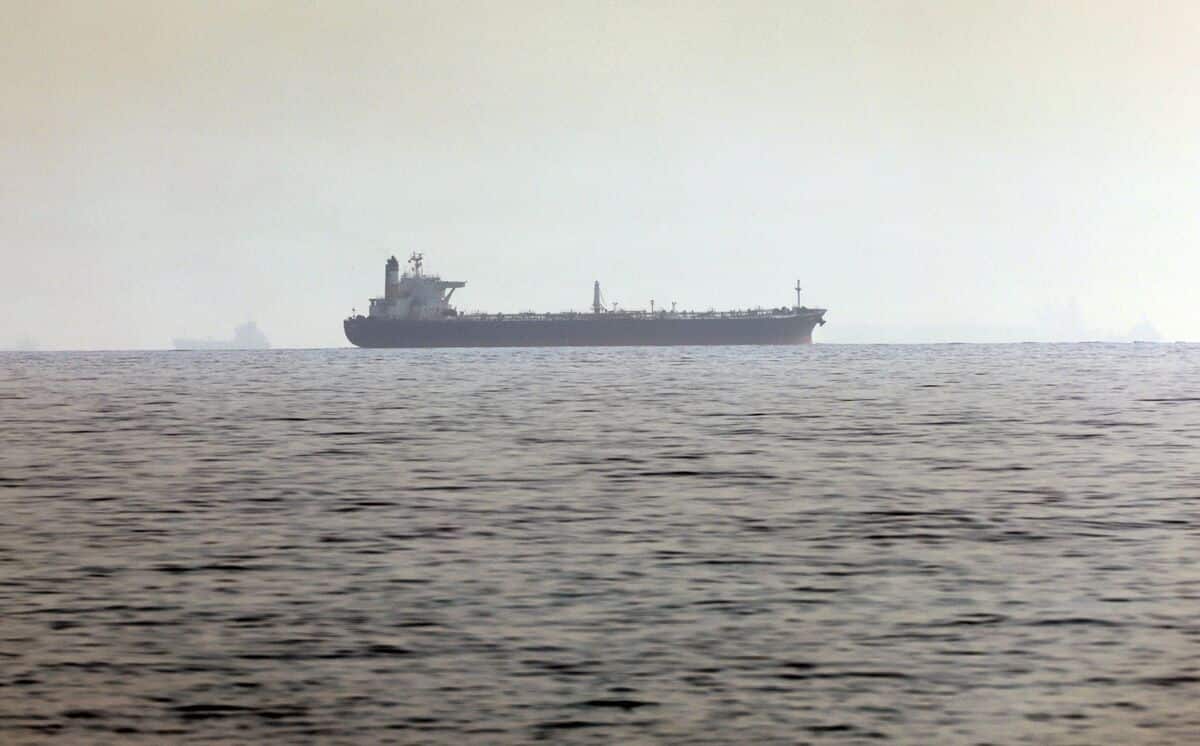
Three supertankers, each capable of carrying 2 million barrels of crude oil, have successfully transited the Strait of Hormuz in the past 24 hours, according to ship-tracking data. The vessels, identified as the Liberia-flagged Serifos, and the China-flagged Cospearl Lake and He Rong Hai, began sending automated position signals as they exited the Persian Gulf into the Gulf of Oman.

The Serifos, chartered by Thai state-owned energy firm PTT, loaded crude from Saudi Arabia and the United Arab Emirates and is expected to arrive in Malaysia on April 21. The Cospearl Lake, carrying Iraqi oil, is chartered by Unipec, the trading arm of Chinese energy giant Sinopec, and is bound for eastern China, with an expected arrival on May 1. The destination for the He Rong Hai, also chartered by Unipec, was not immediately clear.

This increased shipping activity through the vital waterway, which handles approximately 20% of global oil and liquefied natural gas shipments, follows a fragile ceasefire between the United States and Iran. It marks the most significant day of oil departures from the Persian Gulf since the conflict began six weeks prior, which had severely disrupted global energy supplies and sent oil prices soaring.

Frequently asked questions

The Strait of Hormuz is a narrow waterway connecting the Persian Gulf to the Gulf of Oman and the open sea. It is a critical chokepoint for global oil and liquefied natural gas shipments.

VLCC stands for Very Large Crude Carrier, a type of oil tanker designed to transport large quantities of crude oil. Each vessel involved in this transit can carry up to 2 million barrels of oil.

Unipec is the trading arm of Sinopec, a major Chinese energy and chemical company. It is responsible for the international trade of crude oil and refined products for Sinopec.

What Happens Next

01Monitor further tanker movements through the Strait of Hormuz.
02Observe reactions in global oil and LNG prices.
03Track developments in US-Iran relations and the stability of the ceasefire.

Get the newsletter.

Pick the topics you actually care about. We'll email when there's news worth your time, on the cadence you choose. Cancel any time from your account.

Cadence
CME Headlines
  • Performance Bond Requirements: Agriculture — Effective July 23, 2026
    22 Jul · 8:30 PM
  • Live Cattle futures correct as Lean Hog futures rally
    22 Jul · 7:54 PM
  • Live Cattle futures correct as Lean Hog futures rally
    22 Jul · 7:54 PM

How It Developed

Three very large crude carriers (VLCCs) carrying approximately 6 million barrels of crude oil departed the Persian Gulf via the Strait of Hormuz within a 24-hour period.
The vessels, identified as the Liberia-flagged Serifos, China-flagged Cospearl Lake, and He Rong Hai, began sending automated position signals as they entered the Gulf of Oman.
The Serifos is chartered by Thai state-owned energy firm PTT and loaded crude from Saudi Arabia and the UAE.
Cospearl Lake, laden with Iraqi oil, is chartered by Unipec, the trading arm of Sinopec, and is expected to arrive in China.
He Rong Hai was also chartered by Unipec and carried Saudi crude.
Another tanker, Ocean Thunder, carrying Iraqi crude and chartered by a unit of Petronas, transited the waterway the previous week.
Empty tankers were observed sailing in the strait to enter the Gulf and load oil.
This marks the largest number of oil departures through Hormuz since the conflict caused traffic to nearly halt six weeks prior.
Sponsored

London Quick Take - 22 July - UK inflation softens, oil rises and chips rally ahead of Alphabet, Tesla earnings

SAXO

Sources

T1
Three Crude Supertankers Slip Out Through the Strait of HormuzBloomberg
T2
Three Oil Supertankers Sail Through the Strait of Hormuzbloomberg.com
T2
Oil tankers exit Strait of Hormuz amid fragile US-Iran ceasefire | US-Israel war on Iran | Al Jazeeraaljazeera.com

Related Stories

Oil Prices Fall From Six-Week High on Ceasefire Hopes
22 Jul · 11:42 PM
Global Oil Prices Surge Past $100 a Barrel Amid Middle East Tensions
23 Jul · 1:21 PM
US Refinery Use Hits 96.2% Amid Global Fuel Market Tightness
23 Jul · 1:11 PM
Oil prices surge over 4% after Houthi attacks widen shipping disruption
23 Jul · 1:31 PM
Crop Prices Hit Three-Year High as Heat, War Stoke Supply Fears
23 Jul · 5:06 AM