Key facts
- Southeast Asian households are reducing spending due to high prices linked to the Iran war.
- The conflict has highlighted energy security risks for the region due to reliance on Strait of Hormuz transit.
- The Philippines experienced 7% inflation in April and May, directly impacted by war-related fuel prices.
- Food insecurity is a growing concern for farmers facing fertilizer shortages and high diesel costs.
- The International Energy Agency (IEA) warns of a potential tripling of Southeast Asia's energy import bill by 2035 without diversification.
Southeast Asian economies are grappling with reduced household spending as the ongoing war with Iran continues to drive up energy and food prices. The conflict has exposed the region's significant vulnerability due to its heavy reliance on oil and gas transported through the Strait of Hormuz.
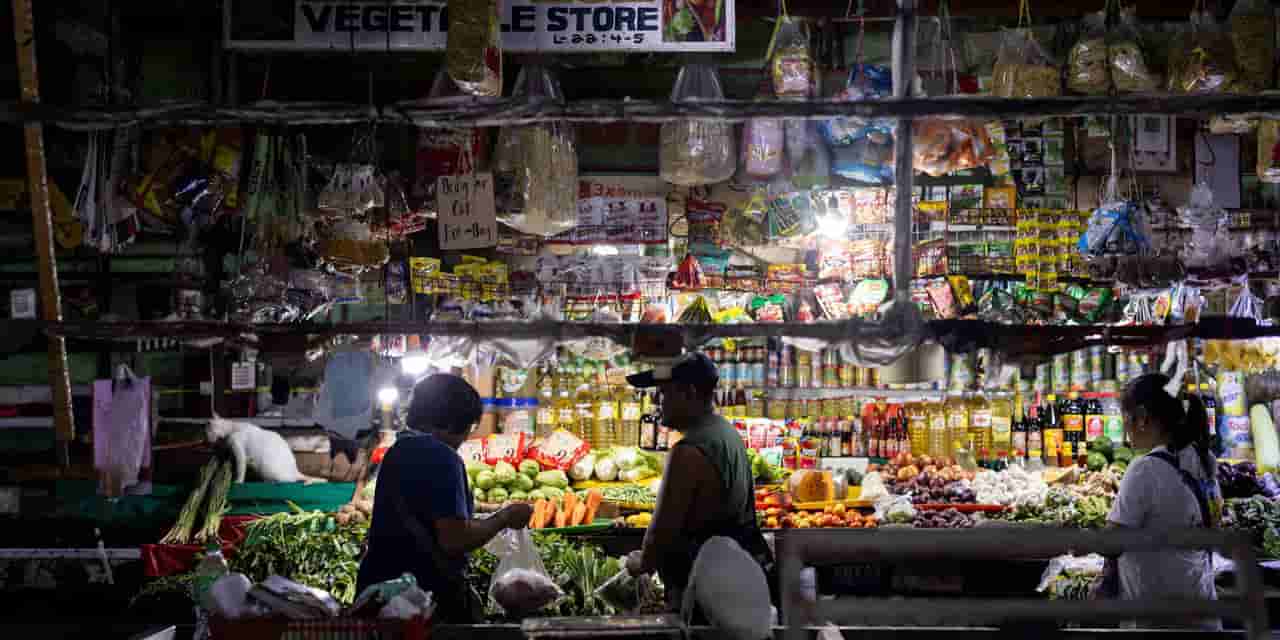
In the Philippines, inflation reached 7% year-on-year in April and May, directly attributed to the war's impact on fuel prices. President Ferdinand Marcos Jr. declared a state of national emergency as the country faced dwindling reserves of gasoline, diesel, and jet fuel. Vietnam also faces supply concerns, with reserves expected to last only through April, primarily due to its reliance on oil from Kuwait.
Pakistan is similarly exposed, importing nearly all its liquefied natural gas from the UAE and a substantial portion of its energy from the Gulf region. The crisis extends to food security, with farmers in Cambodia, Thailand, the Philippines, and Vietnam struggling with fertilizer shortages and the high cost of diesel for agricultural operations. This could lead to reduced planting and increased rural poverty.
The International Energy Agency (IEA) has warned that this overreliance on fossil fuels transported through the Strait of Hormuz is a "stark wake-up call." While the war is spurring interest in electric vehicles, nuclear power, and renewables, more comprehensive reforms are needed. Without them, the IEA projects Southeast Asia's energy import bill could triple from $80 billion in 2024 to $245 billion by 2035. Fatih Birol, IEA executive director, emphasized that diversification of energy sources and supply routes is now a central priority, a sentiment echoed by Sue-Ern Tan, head of the IEA Regional Cooperation Centre in Singapore, who noted a deeper reassessment of policy priorities and investment strategies by governments.