Key facts
- Russia's crude oil and condensate production increased by approximately 100,000 barrels per day in July.
- Total output in July reached over 9 million barrels per day.
- The rise in production was supported by increased crude exports and partial recovery in refinery throughput.
- Ukrainian drone attacks intensified in late July and early August, affecting refinery operations.
- Russia plans to boost crude exports from western ports by 4% in August.
Russia's oil production climbed above 9 million barrels per day in July, a rise attributed to increased crude exports and a partial recovery in refinery operations. Two industry sources told Reuters that output increased by approximately 100,000 barrels per day from June.
Despite sanctions and ongoing attacks on its energy infrastructure, oil and fuel sales remain vital for Russia's budget, providing a strong incentive to maintain production levels. OPEC's estimates placed Russian production at 8.928 million bpd in June, a decrease from May. Russia has not published official production figures for years, relying instead on estimates from sources.
Earlier this year, refinery attacks had impacted processing capacity. Russia's central bank indicated that these attacks, along with export constraints, had already affected production. However, the situation could change in August, as Ukrainian drone attacks intensified in late July and early August, leading to suspensions at several refineries and a fire at one facility.
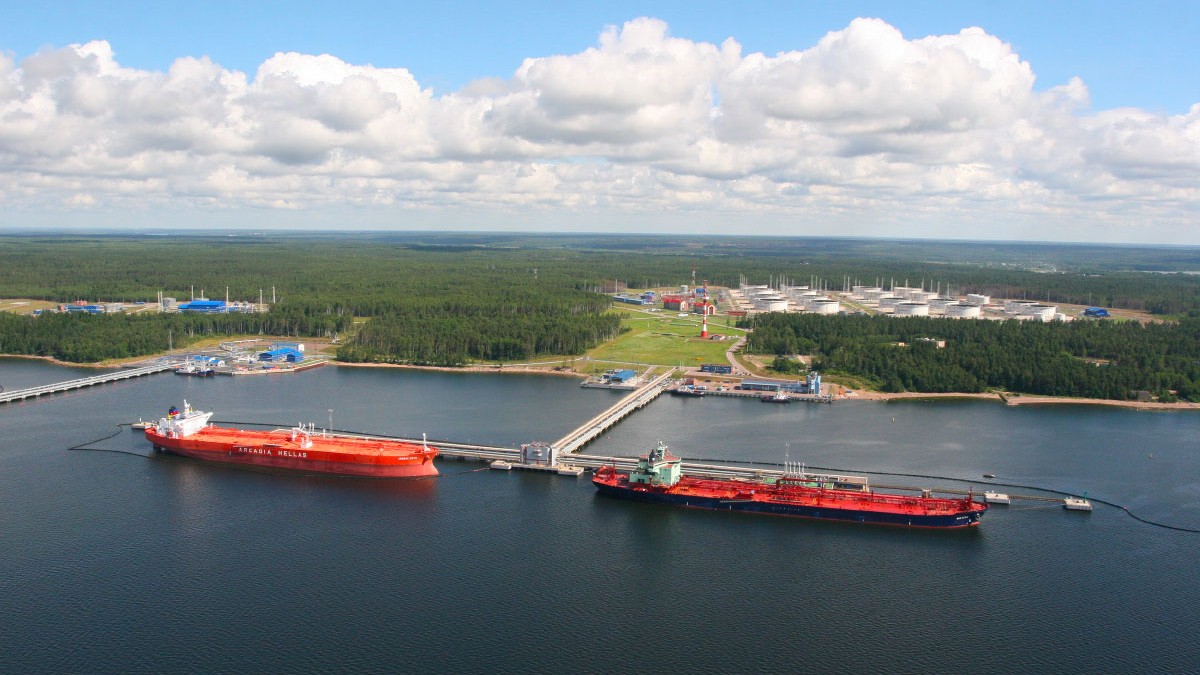
Russia intends to increase crude exports from its western ports by 4% in August, leveraging the additional barrels freed up by unplanned refinery outages. This plan is contingent on securing sufficient shipping and loading capacity, as tanker availability in the Black Sea is already constrained. Further refinery disruptions could strain export routes, creating a complex situation where damaged refineries temporarily boost crude exports but too many outages risk overwhelming logistical capabilities.