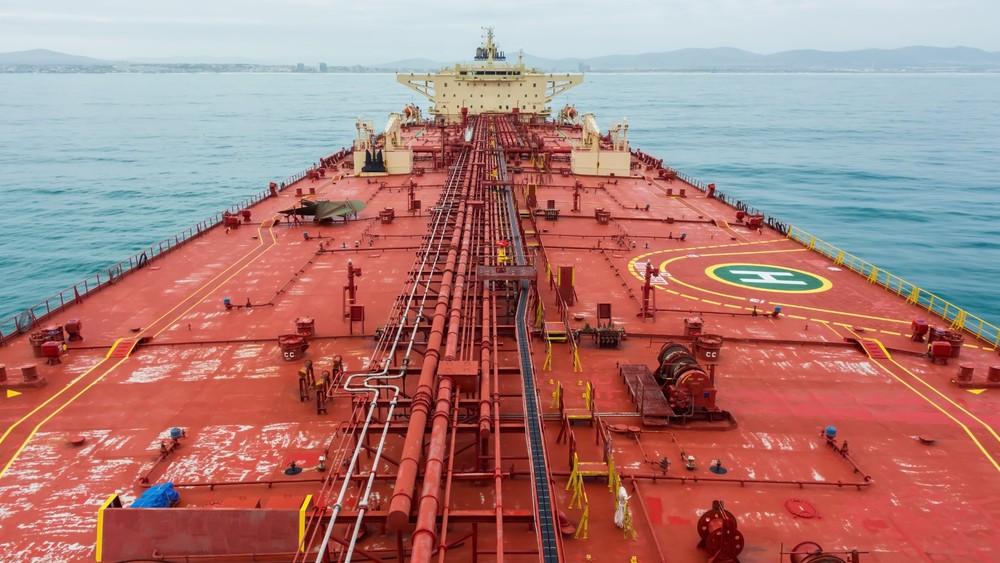
The United Arab Emirates has successfully increased its oil exports to pre-crisis levels by June, navigating challenges at the Strait of Hormuz. The UAE, which departed OPEC on May 1, has implemented several strategies to maintain its oil flow.
These methods include shuttling crude to larger vessels positioned outside the Strait of Hormuz for loading, and maximizing the use of its onshore pipeline to transport crude from the western to the eastern parts of the country, thereby bypassing the chokepoint. Additionally, tankers have been observed transiting the Strait of Hormuz using 'dark mode' to obscure their activity.
According to vessel-tracking data compiled by Bloomberg, the UAE shipped more crude oil out of the Strait of Hormuz in June and July than any other Gulf producer. The UAE has also issued an unprecedented number of tenders in recent weeks, offering millions of barrels of crude oil for sale for August to October loadings.
Abu Dhabi National Oil Company (ADNOC) issued its seventh tender in late July, offering crude from various UAE ports, including Zirku and Das Island within the Persian Gulf, and Fujairah outside the Gulf. Ship-to-ship transfers offshore Fujairah or Malaysia are also being utilized.
The UAE's crude oil production reached an estimated 4.1 million barrels per day (bpd) in June, its highest output ever. This marks a significant jump from 3.3 million bpd in May. This increase followed the country's exit from OPEC and its subsequent rise in output, enabling it to export substantial volumes even as the Strait of Hormuz faced blockades in the first half of June, according to IEA estimates.