Key facts
- Puratos aims to achieve 50% regenerative sourcing for its wheat flour by 2030.
- The company is enrolling about 30% of its U.S. wheat flour volumes into regenerative agriculture programs.
- Puratos has signed the Sustainable Wheat Initiative Europe (SWIE) Manifesto.
- The SWIE Manifesto seeks a 30% reduction in CO2-equivalent emissions from European wheat and wheat flour by 2030.
Puratos is accelerating its commitment to regenerative agriculture, aiming to source 50% of its wheat flour regeneratively by 2030. This initiative involves enrolling approximately 30% of its U.S. wheat flour volumes into mass balance regenerative agriculture programs, working with supply chain partners.
As part of a broader industry effort, Puratos has also signed the Sustainable Wheat Initiative Europe (SWIE) Manifesto, launched in June 2025. This initiative, led by the Industrial Bakers Association (AIBI), aims to cut CO2-equivalent emissions from wheat and wheat flour in Europe by 30% by 2030, compared to 2022 levels. The European bakery sector consumes about 25 million tons of wheat annually, contributing significantly to emissions, primarily at the agricultural level.
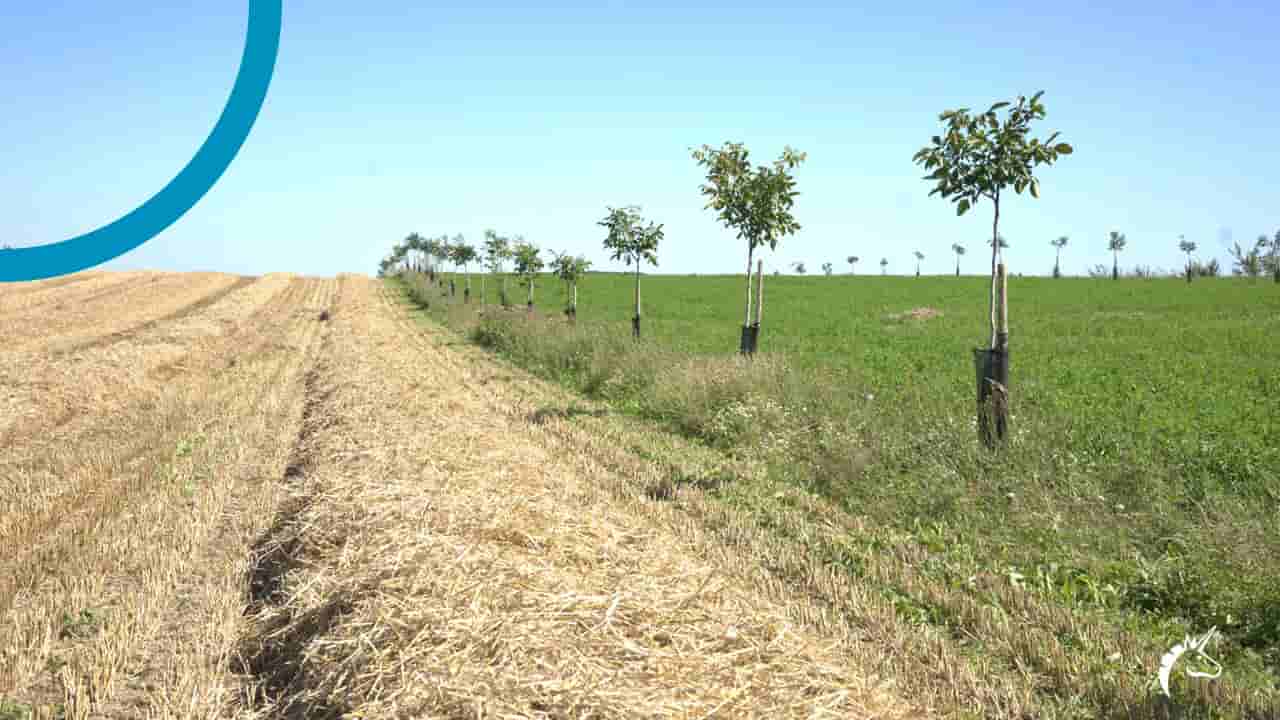
Puratos defines regenerative agriculture as an outcome-based farming approach focused on improving soil health, enhancing biodiversity, and supporting water management. The company collaborates with farmers, cooperatives, and milling partners globally to implement practices such as crop rotation, reduced tillage, and cover cropping. These efforts are intended to build more resilient agricultural systems and align with Puratos' commitment to Science-Based Targets initiative (SBTi).
Puratos CEO Pierre Tossut emphasized the importance of long-term commitment and collaboration across the value chain to achieve meaningful sustainability outcomes. Puratos USA's Product Director, Michael Gleason, noted the focus on making regenerative agriculture practical and scalable within real supply chains and production environments.