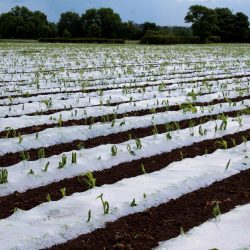
The optimal control of weeds in forage maize crops, particularly under Irish conditions, is a subject of evolving debate due to its significant impact on final yields. Poor weed control can lead to yield reductions of up to 30%, primarily affecting dry matter and starch levels. The challenge is amplified when maize is grown repeatedly on the same land. Traditionally, pendamethalin is applied pre-emergence under plastic sheeting, with post-emergence herbicides like nicosulfuron and mesotrione used between rows up to the 7-8-leaf stage. However, this leaves soil between rows untreated, and high weed populations can develop in continuously cropped fields. Problems can arise if adverse weather delays herbicide application. Maizetech now recommends applying pendamethalin across all planted land, not just under the plastic, to achieve better control of weeds in bare soil and provide an extended window for the second herbicide application. This approach is seen as crucial for giving maize crops the best start, especially as dairy and beef farmers increasingly recognize the crop's nutritional value, leading to a resurgence in its cultivation. Despite the challenges of continuous cropping, it is considered viable if weed control measures are adequate. Meanwhile, maize crop growth rates have accelerated following a cool start to the 2026 planting season, with record germination rates observed due to warmer soil conditions in May. This suggests a continuous and well-defined harvest period for 2026.