Key facts
- Mitsubishi Heavy Industries will double its gas turbine production capacity by fiscal 2030.
- The company will invest over $618 million in its gas turbine operations in Japan and the U.S.
- Demand for gas turbines is surging due to data center construction and the need to replace older units.
- Manufacturing costs for turbines have nearly doubled, impacting delivery timelines and prices.
- Wait times for new turbine deliveries can now reach up to seven years.
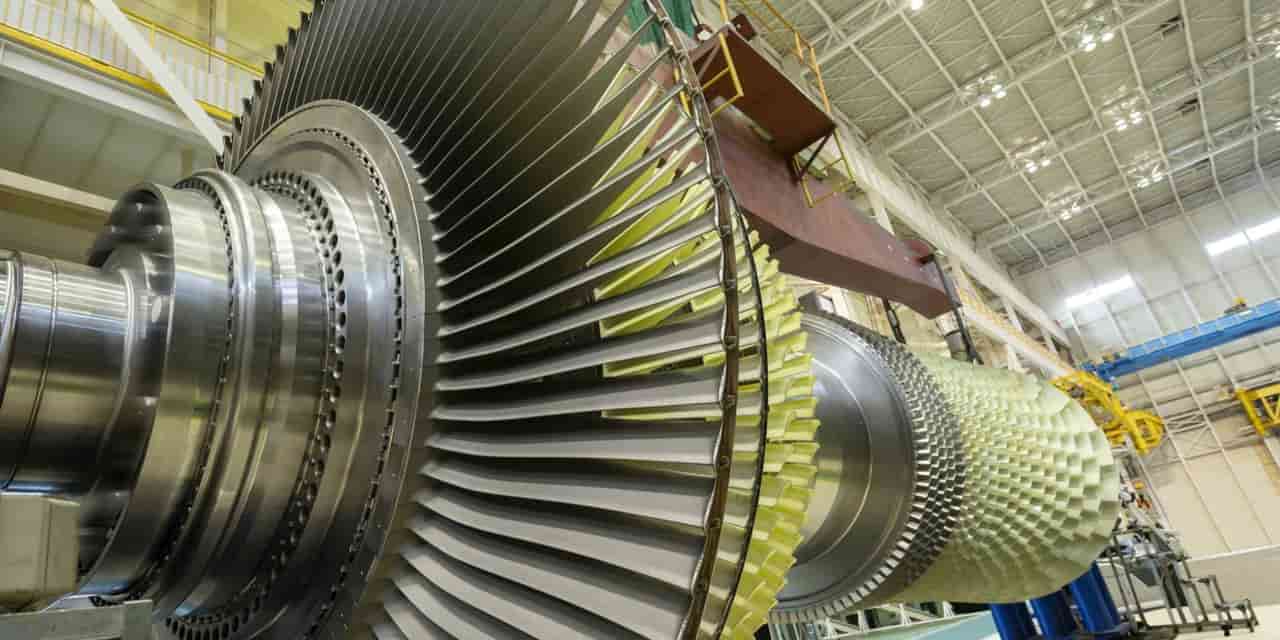
Mitsubishi Heavy Industries is set to significantly expand its gas turbine production capacity, aiming to double it by fiscal year 2030 compared to 2024 levels. This strategic move is driven by a substantial increase in global demand, particularly from the burgeoning data center sector which is fueling a wave of new gas-fired power plant construction, especially in the United States.
The company's CEO, Eisaku Ito, stated that an initial plan to boost production by 30% was deemed insufficient to meet the accelerating demand. Consequently, Mitsubishi Heavy Industries will invest over $618 million in its gas turbine operations in Japan and the U.S. to accommodate this growth. This expansion is crucial as many turbines installed decades ago are nearing the end of their operational life, necessitating replacements.
This surge in demand is also attributed to the proliferation of data centers, new manufacturing facilities, and ongoing electrification efforts. Natural gas is increasingly viewed as a stable and cleaner alternative to other power sources like coal and nuclear energy. Other manufacturers, such as GE Vernova, are also experiencing a rise in turbine orders.
Despite the strong demand, the cost of manufacturing turbines has nearly doubled in recent years due to expensive materials, supplies, and skilled labor shortages. This has led to extended delivery timelines, with wait times for new turbines potentially stretching up to seven years, and increased capital costs for new gas power plants. Manufacturers are now requiring reservation fees to secure production slots.
Analysts suggest that this capacity expansion could lead to faster-than-expected growth for Mitsubishi Heavy's energy segment and help reduce its substantial order backlog.