Key facts
- Michigan health officials have eased warnings on a cyclospora outbreak linked to iceberg lettuce.
- The outbreak, which has spread to 15 states, was linked by the FDA to Taylor Farms operations in central Mexico.
- Consumer confidence in fresh produce has been shaken, impacting sales at restaurants and supermarkets.
- Sales of fresh lettuce dropped 9% in the week ending July 18.
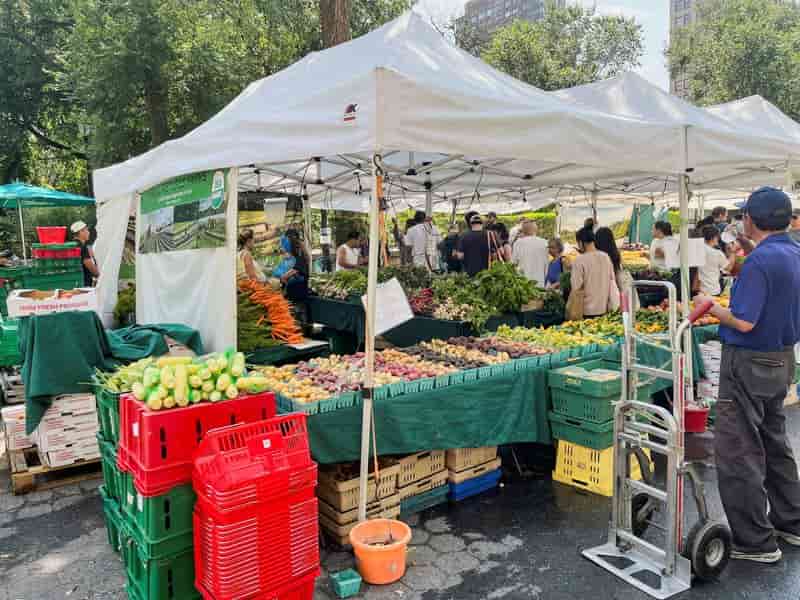
- Some consumers are opting for locally grown produce, leading to increased demand at farmers markets.
- Two deaths have been reported in Michigan linked to the outbreak.
Michigan health officials have eased warnings regarding a cyclospora outbreak, but consumer anxiety about the parasite continues to affect grocery sales. The U.S. Food and Drug Administration (FDA) investigation has linked the outbreak, which has spread to 15 states and disproportionately affected Michigan, to iceberg lettuce sourced from Taylor Farms operations in central Mexico.
Consumer confidence in fresh produce has been shaken, leading to a 9% drop in U.S. unit sales for fresh lettuce in the week ending July 18. Restaurant chains have also seen an impact, with Taco Bell, owned by Yum Brands, experiencing over an 11% decrease in foot traffic on August 1 compared to the previous year. Salad chain Sweetgreen anticipates a 7% to 8% decline in comparable sales for the year due to the outbreak.
In Michigan, where over 12,000 cases have been reported, reactions vary. Some stores, like Steve's Country Market, have seen relatively stable lettuce sales, with managers viewing such outbreaks as temporary. However, other retailers, such as Sunrise Market, report that sales have not yet rebounded and anticipate continued anxiety among customers, potentially impacting overall produce sales.
Shoppers have also shown a preference for locally grown food, with farmers markets in New York City and Ann Arbor, Michigan, reporting significant sales surges. Darlene Wolnik, program director for the Farmers Market Coalition, noted a 15% to 30% increase in sales as concerns over foodborne illnesses grew. Local farmers are reportedly struggling to keep up with the heightened demand.