All NewsEducationTV
Equities & FundsCrypto & Digital AssetsAI & TechnologyBusiness & CorporateUS Politics & PolicyGeopolitics & Global RiskMacro, Rates & FXCommodities & EnergyEuropean Politics & MarketsAsia-PacificReal Estate & Property
Story archiveAll categories
← All Stories

Libya's electricity crisis highlights energy infrastructure woes

Created at 6 Aug · 2:56 PM1 source↑ Market-relevant
IN SHORT

Libya is facing a severe electricity crisis, with daily power outages impacting businesses and residents. The nation, rich in oil and gas reserves, struggles with underinvestment in its power grid and fractured institutions, leading to widespread frustration and protests.

✉Newsletter

PiQ Daily

Pick your topics. Get only what matters, on your cadence.

Key Numbers

1.3 million barrelsdaily oil production
7.5 millionLibya population
6-10 hoursdaily power outage duration
70 percentelectricity generated from natural gas
50Cpeak summer temperatures
$90mLibya's outstanding dues to Egypt
43 percentEgypt's electricity export capacity boost to Libya
100 megawattsEgypt's electricity export capacity to Libya

Who's Involved

Al Robyan
Tripoli seafood restaurant offering seafood for fuel
Alaeddin Muntasser
Retired businessman in Tripoli describing the electricity disaster
Abdul Hamid Dbeibah
Prime Minister of Libya facing calls for resignation
Hamish Kinnear
Principal MENA analyst at Verisk Maplecroft
Karim Elgendy
Executive director of the Carbon Institute
Massoud Suleman
Chairman of Libya's National Oil Corporation
Jalel Harchaoui
Libya specialist with the Royal United Services Institute
Libya's electricity crisis highlights energy infrastructure woes

↳ Why This Matters

Libya's prolonged electricity crisis underscores the deep-seated issues of underinvestment and institutional fragility in a nation endowed with significant energy resources, impacting daily life, business operations, and political stability.

Key facts

  • Libya is experiencing severe electricity shortages with daily outages of 6-10 hours.
  • The crisis affects businesses, leading to closures and water shortages.
  • Protests have occurred across Libya demanding better electricity supply and government resignations.
  • Libya's power grid relies heavily on natural gas, with production and infrastructure issues exacerbating the crisis.
  • Years of underinvestment and political fragmentation have crippled the energy sector.
  • Egypt has increased electricity exports to Libya, but it covers only a fraction of the shortfall.

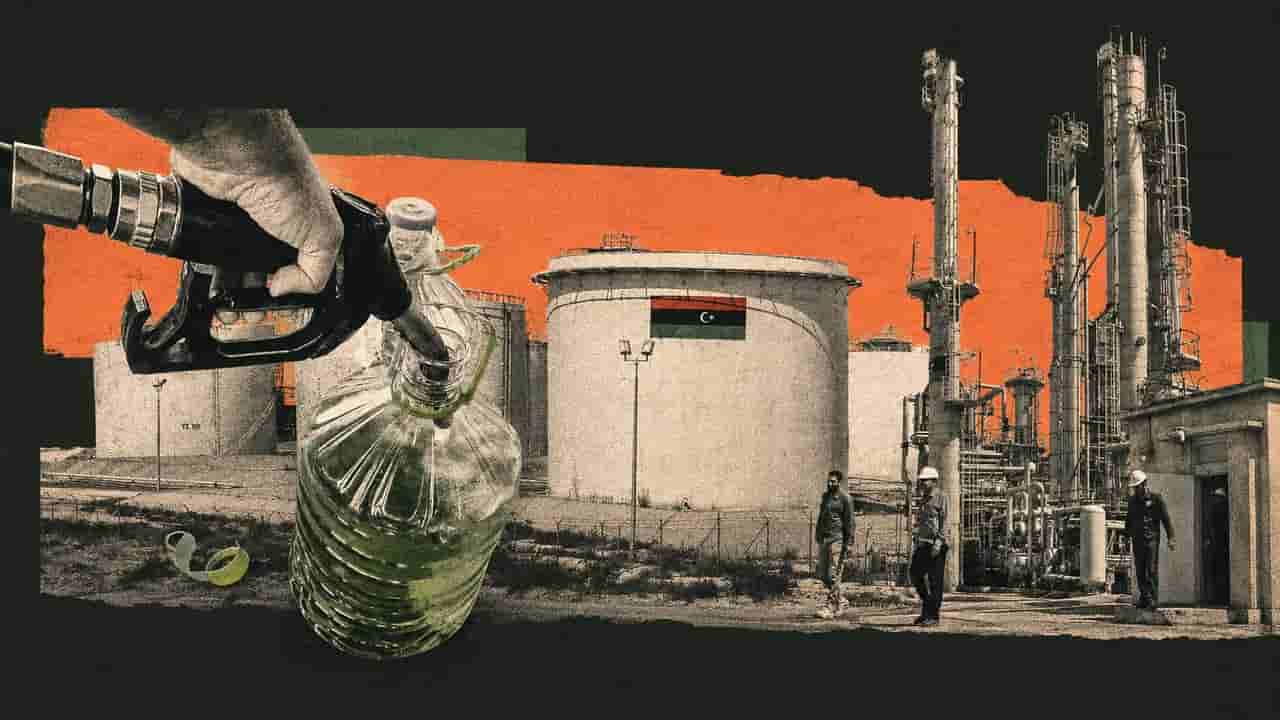
Libya is grappling with a severe electricity crisis, characterized by daily power outages lasting six to 10 hours, impacting businesses and residents across the country. Restaurants are resorting to unusual measures, like offering seafood in exchange for fuel for generators, highlighting the depth of the problem.

The crisis affects essential services, with a water-bottling plant experiencing shortages and many small restaurants forced to close. The situation has sparked protests in major cities, with demonstrators calling for a reliable electricity supply and the resignation of Prime Minister Abdul Hamid Dbeibah.

Libya, a nation rich in oil and gas reserves, generates approximately 70 percent of its electricity from natural gas. However, years of underinvestment in the power grid and gas production, compounded by political fragmentation since the 2011 uprising and a recent heatwave, have led to the current instability. Analysts note that fractured institutions prevent the conversion of oil wealth into reliable electricity.

In an effort to mitigate the crisis, Libya has turned to Egypt for assistance. Following discussions, Egypt boosted its electricity export capacity to Libya by about 43 percent, reaching 100 megawatts. However, this supply meets only a fraction of Libya's needs. Experts caution that importing electricity from Egypt also means importing Egypt's own gas risks, as Egypt relies heavily on imported gas for its power generation.

Further complicating the situation, some analysts express skepticism about the long-term viability of energy cooperation between Libya and Egypt, suggesting it may be more of a diplomatic maneuver than a genuine solution. The core issue remains Libya's failure to significantly increase its natural gas production capacity over the past decade, despite possessing abundant reserves.

Frequently asked questions

The crisis is attributed to years of underinvestment in the power grid and gas production, political fragmentation since 2011, and recent extreme heatwaves.

Businesses are severely impacted, with some closing down, others struggling to operate due to generator costs, and many losing food from refrigerators and freezers.

Libya has significant oil and natural gas reserves, producing over 1.3 million barrels of oil daily. However, natural gas production capacity has not kept pace with needs.

Egypt has increased its electricity exports to Libya, but this supply is insufficient. There are also concerns about importing Egypt's own reliance on gas.

What Happens Next

01Libya's government needs to implement a longer-term strategy for reliable electricity supply.
02Future energy cooperation frameworks between Libya and Egypt may be explored.

Get the newsletter.

Pick the topics you actually care about. We'll email when there's news worth your time, on the cadence you choose. Cancel any time from your account.

Cadence
CME Headlines
  • Gold futures rally as Strait of Hormuz deal eases inflation.
    5 Aug · 8:42 PM
  • Gold futures rally as Strait of Hormuz deal eases inflation.
    5 Aug · 8:42 PM
  • WTI Crude Oil futures slip on Hormuz interim deal progress.
    5 Aug · 8:34 PM

How It Developed

Libyans have endured daily power outages lasting six to 10 hours.
Businesses and residents are severely affected by the blackouts.
Protests have erupted in several cities demanding reliable electricity.
Libya generates most of its electricity from natural gas, making it vulnerable to production disruptions.
The crisis stems from years of underinvestment, political instability since 2011, and a recent heatwave.
Egypt boosted electricity exports to Libya by approximately 43 percent, reaching 100 megawatts.
Egypt's own energy needs and reliance on imported gas present risks for Libya's imported supply.

Sources

T1
'We've run out of earthly solutions': Inside Libya's electricity crisisMiddle East Eye

Related Stories

Middle East War Disrupts LNG Flows, Threatens Long-Term Growth
6 Aug · 2:56 AM
European shares hit record high on earnings, Iran deal optimism
6 Aug · 1:09 AM
US oil and gas dealmaking falls 75% in Q2 amid price volatility
5 Aug · 5:06 PM
Hormuz Crisis Rewrites Global LPG Trade Amid Supply Chain Disruptions
5 Aug · 9:26 PM
Chinese Supertankers Reroute Around Africa to Avoid Red Sea Attacks
6 Aug · 3:11 AM