Key facts
- U.S. upstream oil and gas dealmaking fell to $9 billion in the second quarter.
- Volatile crude oil prices and a softening gas outlook contributed to the decline.
- A record lease sale by the Bureau of Land Management accounted for $4 billion.
- Shell sold its Gulf of Mexico assets for approximately $1.7 billion.
Dealmaking in the U.S. upstream oil and gas sector significantly decreased in the second quarter, falling by 75% to $9 billion. This downturn is attributed to volatile oil prices, influenced by the Iran conflict, and a weakening outlook for natural gas, which complicated valuations and widened the gap between buyer and seller expectations. The analysis comes from analytics firm Enverus.
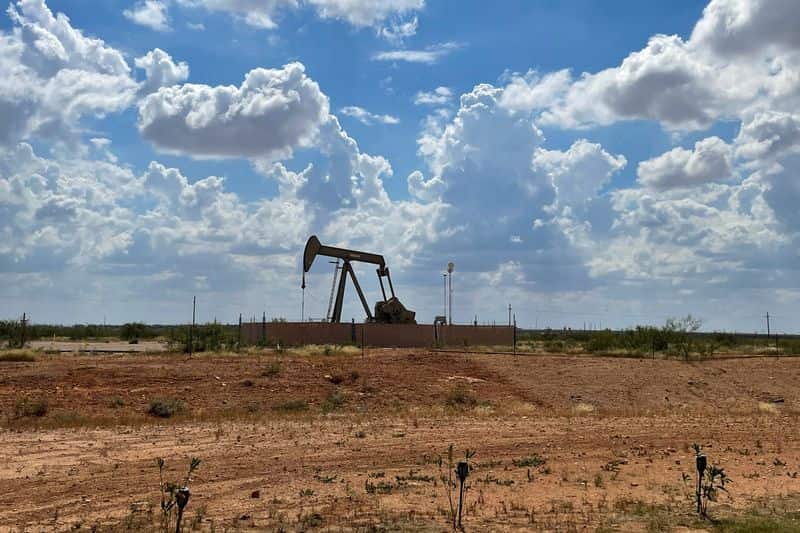
A substantial portion of the quarter's deal value, approximately $4 billion, stemmed from a record lease sale by the Bureau of Land Management in May. This sale involved oil and gas drilling rights on federal lands in Texas and New Mexico, with Devon Energy and Matador Resources being primary purchasers. Fierce competition for these assets was driven by a shortage of prime drilling locations.
In a separate transaction, Shell sold its interest in the Na Kika platform and associated fields in the Gulf of Mexico to subsidiaries of Talos Energy and Ridgewood Energy for around $1.7 billion. These assets were producing approximately 37,000 barrels of oil equivalent per day. The overall dealmaking value for the second quarter marked one of the lowest totals in years, ranking as the third weakest since 2020, a period heavily impacted by the COVID-19 pandemic's effect on oil demand and prices.