Key facts
- Japan's scallop and kelp industries are experiencing significant output reductions due to rising sea temperatures.
- In Mutsu Bay, Aomori Prefecture, over 50% of juvenile scallops died in autumn 2023 due to record hot seawater.
- Hokkaido's kelp harvests have declined by two-thirds over the past 30 years, with a major drop in fiscal 2024.
- Water temperatures in Mutsu Bay exceeded critical thresholds for 50 days in summer 2023.
- The decline in harvests threatens the economic viability of scallop and kelp fishermen.
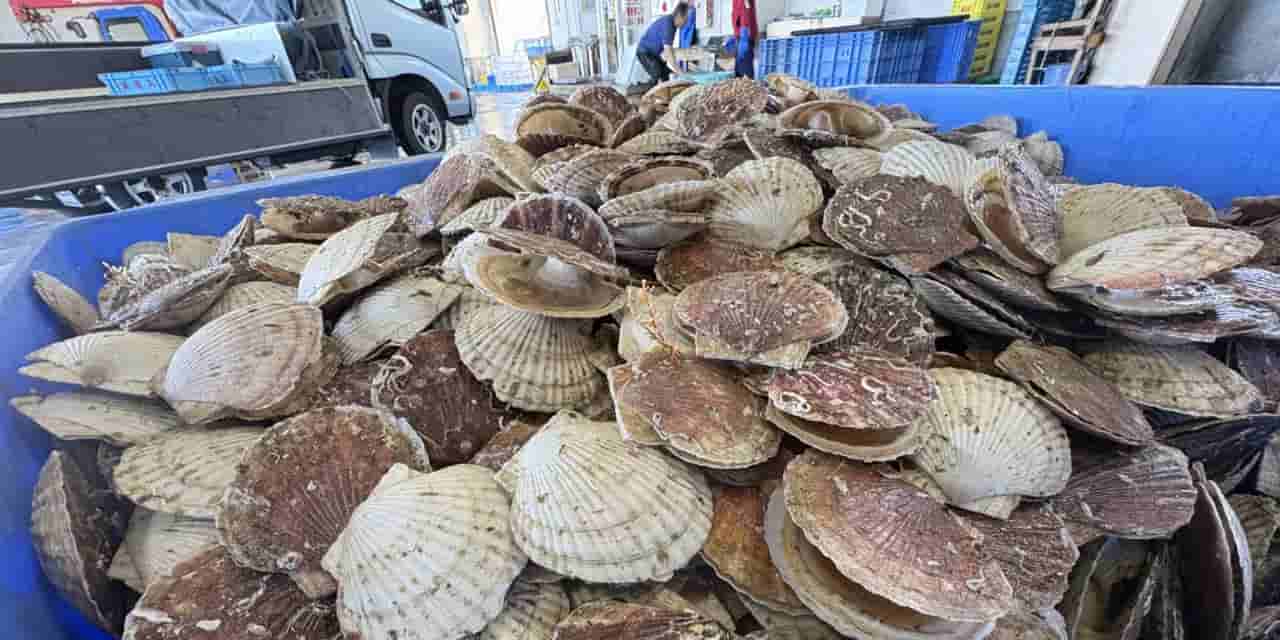
Japan's scallop industry, which has adapted to reduced reliance on the Chinese market following an import ban, is now facing a severe challenge from climate change. Rising sea temperatures are significantly impacting output, with fishermen reporting unprecedented losses of juvenile scallops and kelp.
In Aomori Prefecture, a major scallop-producing region, fishermen like Hideto Takada have experienced substantial die-offs of young scallops due to record hot seawater. Temperatures in Mutsu Bay exceeded 23 degrees Celsius for 50 days in the summer of 2023, a level detrimental to scallop fry. This has led to drastic reductions in shipments and income for local fishermen, with some predicting the disappearance of scallops from the bay within decades if the trend continues.
Hokkaido, the largest producer of konbu (kelp), has also seen its harvests plummet. Over the past 30 years, konbu harvests have fallen by two-thirds, with a notable decline in fiscal 2024. Abnormally high ocean temperatures, reaching 25 degrees Celsius off Rausu in autumn 2023, have weakened kelp growth and caused significant losses, particularly for cultivated varieties. Computer simulations suggest that several types of kelp could vanish from Japanese waters entirely under future climate change scenarios.
Other marine products in regions like Miyagi Prefecture, including ascidians and oysters, are also affected by warming waters, prompting consideration of alternative industries such as pearl farming.