Key facts
- Middle Eastern airlines are projected to face a $4.3 billion net loss in 2026, a reversal from an expected $7.2 billion profit in 2025.
- The conflict has led to the closure of airspaces in the UAE, Qatar, Bahrain, and Kuwait, impacting flight operations.
- Passenger demand in the Middle East has fallen by 13.9% year-on-year, straining the hub-and-spoke model of Gulf carriers.
- Jet fuel prices remain significantly elevated, contributing to increased operating costs and volatile airfares.
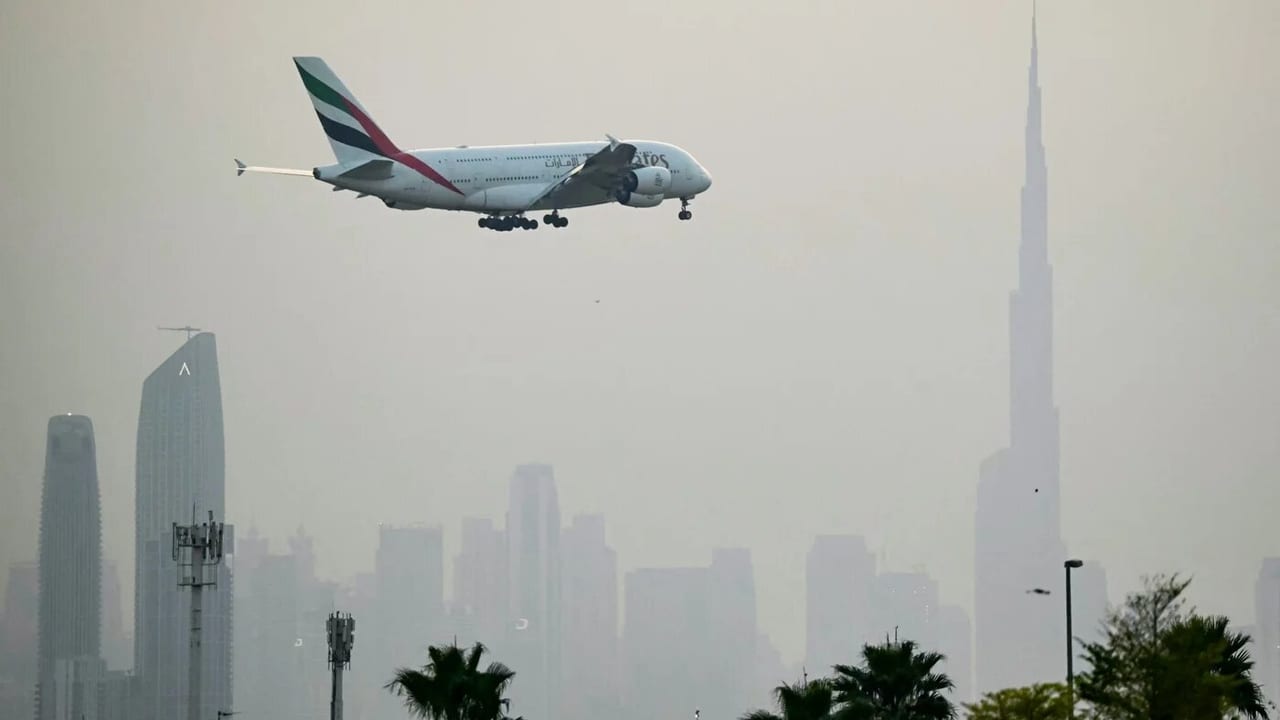
- Emirates has introduced a new travel insurance policy to cover conflict-related cancellations and boost passenger confidence.
Middle Eastern airlines are facing a projected $4.3 billion net loss in 2026, a stark contrast to the anticipated $7.2 billion profit in 2025, following air strikes by Iran on February 28, 2026, and subsequent retaliatory actions. Several international airports in the region, including Dubai, Abu Dhabi, Kuwait, and Bahrain, were hit, leading to airspace closures that lasted for about a week.
While regional airspaces have reopened, intermittent disruptions persist, with advisories urging operators to avoid certain airspace until August 31, 2026. This has limited travel options for passengers, with many European and Asian airlines still suspending flights in the region, some not planning to resume until late 2026 or even mid-January 2027.
The conflict has severely impacted the hub-and-spoke model, which relies on the Gulf's strategic location between Europe and Asia. Passenger demand has fallen by 13.9% year-on-year, while direct traffic between Europe and Asia has increased, indicating a strain on Gulf carriers' ability to efficiently move large volumes of passengers. This has led to increased operating costs, including higher fuel burn, longer crew duties, and reduced aircraft utilization.
In response, Emirates has introduced an unprecedented travel insurance policy covering conflict-related cancellations and is working to boost tourism. Cargo demand has also lagged, with traffic between Europe and the Middle East down 41.1%. The private jet sector has seen a 46.5% decrease in traffic originating from Gulf countries, with most flights remaining within the region.
Jet fuel prices, though falling slightly in June, remain 45.8% higher than a year prior, with forecasts predicting further increases. Airlines are attempting to pass on these costs through fares, but are constrained by the need to avoid further weakening demand.