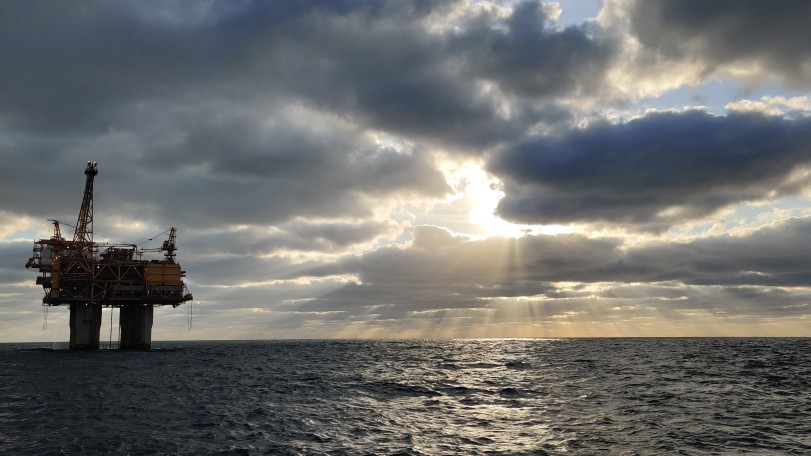
Key facts
- New UK Prime Minister Andy Burnham is deliberating on North Sea oil and gas projects, including the Jackdaw gas field and Rosebank oil field.
- Court rulings have invalidated previous government approvals for these projects, creating legal uncertainty.
- Burnham has indicated a pragmatic stance on fossil fuels, despite warnings from the UN and environmental groups.
- The Labour Party's manifesto opposes new exploration licenses but allows existing ones to continue.
- Environmentalists argue that investment should prioritize a green transition for long-term energy security and affordability.
With a new Prime Minister in office, the United Kingdom's approach to North Sea oil and gas development is under scrutiny. Prime Minister Andy Burnham faces a complex decision balancing climate pledges with energy security concerns.
Speculation suggests Burnham, representing the Labour Party, might support fossil fuel projects like the Jackdaw gas field and Rosebank oil field, despite previous government approvals being overturned by courts. The Labour Party's platform generally supports renewable energy and grid infrastructure, but also includes restrictions on new oil and gas drilling. The manifesto states that while new exploration licenses will not be issued, existing ones will not be revoked, leaving the status of Jackdaw and Rosebank in question.
The UK has recently experienced extreme weather events, including drought and heatwaves, which climate scientists link to ongoing fossil fuel extraction. This has amplified public concern and put pressure on Burnham to prioritize a green transition. The Green Party, gaining popularity, strongly opposes new North Sea licenses, emphasizing the need for rapid movement towards a sustainable future. Labour MP Rachael Maskell echoed these sentiments, urging the government to 'keep carbon in the ground'.
Burnham has appointed Miatta Fahnbulleh, a prominent climate activist, as Secretary of State for Energy Security and Net Zero, signaling a potential focus on climate action. However, his earlier comments suggesting a 'pragmatic' approach to oil and gas have caused concern among environmentalists and within his own party.
Insiders suggest a potential compromise, possibly allowing the Jackdaw gas project to proceed, as gas is viewed by some as a 'transition fuel' and is less carbon-intensive than oil. BP, a major oil company, supports expanding North Sea operations, emphasizing the UK's continued reliance on fossil fuels. However, environmental groups and bodies like the UK Energy Research Centre argue that such investments are a 'delusion' for energy resilience and affordability, pointing out the limited job creation and the depleting nature of UK reserves. Approving new fossil fuel projects risks internal party revolt and significant opposition, while failing to address rising energy prices or long-term energy security.