Key facts
- 368 utility-scale power plants came online in the US in the first half of 2026.
- Utility-scale solar projects led in both number (207) and capacity (11,458 MW).
- Battery storage projects were the second-largest category, with 95 projects and 8,207 MW.
- Texas, New Mexico, and Arizona accounted for approximately half of the nation's new generating capacity.
- The SunZia Wind project in New Mexico, the largest wind farm in the country, came online this spring.
The first half of 2026 saw a significant number of new power plants come online in the United States, with utility-scale solar and battery storage projects leading the charge. According to data from the US Energy Information Administration (EIA), 368 such plants began operation between January and June.
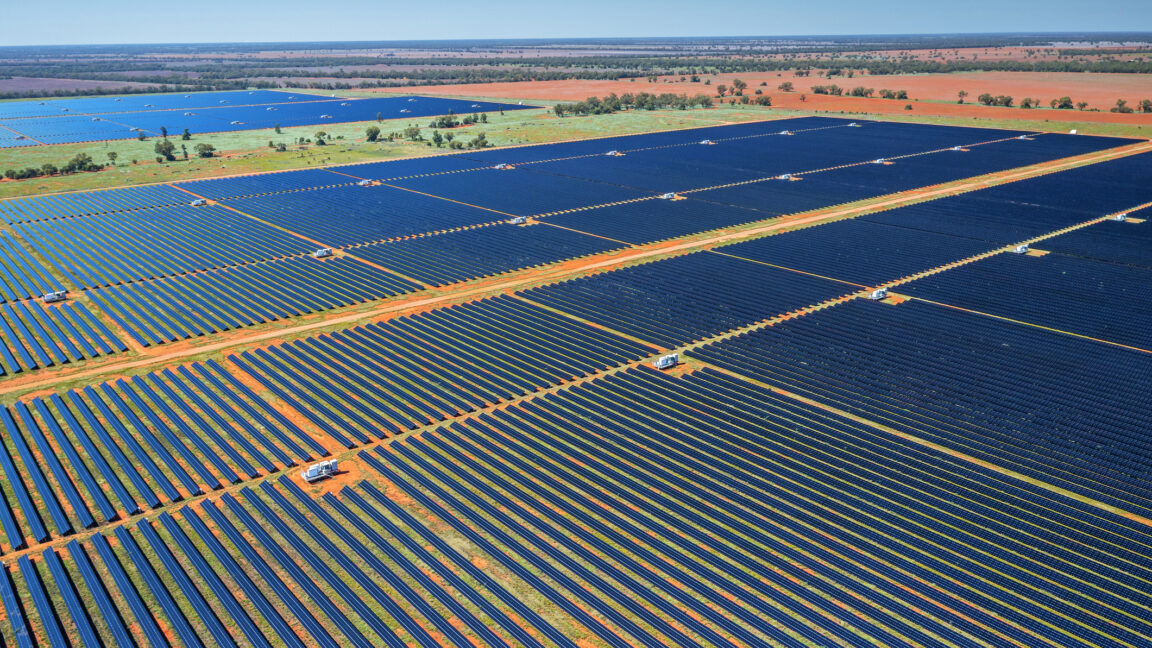
Utility-scale solar projects were the most numerous, with 207 coming online, contributing 11,458 megawatts of capacity. Battery storage followed closely, with 95 projects adding 8,207 megawatts. This trend highlights the growing importance of solar power, often paired with batteries, as a foundational element of the US energy grid.
While large projects like the SunZia Wind farms in New Mexico (3,650 MW combined) and the Trumbull Energy Center natural gas plant in Ohio (900 MW) were completed, they represent older development cycles rather than current trends. The Vineyard Wind offshore project near Massachusetts also falls into this category. The fifth-largest new plant, Green River Energy Center in Utah, which includes 400 MW of solar and 400 MW of batteries, better reflects the current market dynamics.
Natural gas plants, despite significant announced capacity in development, added only 2,707 megawatts from three combined-cycle projects and 21 internal combustion engine projects. Experts suggest the peak of new gas plant completions is still a few years away.
Geographically, Texas, New Mexico, and Arizona accounted for about half of the country's new generating capacity. Texas, in particular, prioritized batteries and gas for grid reliability, though it added no new wind projects despite being a national leader in onshore wind.
Illinois led in the number of new utility-scale solar projects (36), demonstrating the impact of state policies encouraging smaller solar developments. The EIA's future plant list indicates a continued solar boom and a potential surge in natural gas plants toward the end of the decade, though uncertainties remain regarding electricity demand growth and the impact of AI data centers.