Key facts
- Qatar and UAE are using 'dark fleet' tactics for LNG shipments.
- Seafarers are offered double salaries for voyages through the Strait of Hormuz.
- Tankers switch off transponders during transit.
- LNG tankers travel in small convoys for security.
- The Al Rayyan tanker reportedly used these methods.
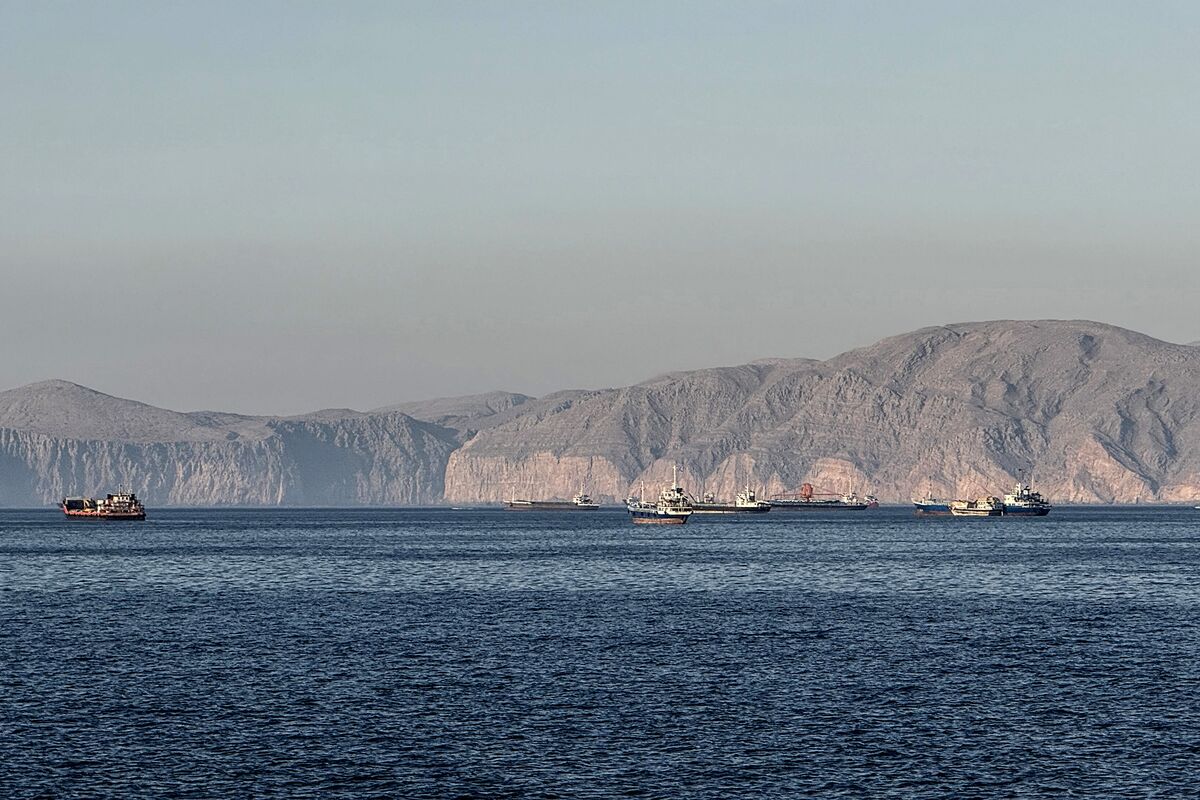
Heightened geopolitical risks in the Strait of Hormuz are prompting Qatar and the UAE, major LNG producers, to adopt unconventional methods for transporting their gas. These strategies include offering significantly higher pay to seafarers, disabling tracking systems during transit, and moving in coordinated convoys to enhance security. This approach reflects the increasing challenges and risks associated with maritime trade in the region, mirroring tactics previously used by Russia's 'dark fleet'. The Al Rayyan tanker reportedly used these methods on a recent voyage. Oil traders have spent months obsessing over tanker movements, shipping insurance costs and the fate of crude cargoes attempting to navigate the Strait of Hormuz. But now, some of that attention will be shifting to a longer-term play: a potential restructuring of American utilities themselves. Instead, Hormuz is exposing how vulnerable electricity markets remain to fuel price shocks, even after years of investment in renewable energy. While crude oil prices have dominated headlines, the effects of the disruption are steadily working their way through the energy markets.