Key facts
- India plans to build a new strategic petroleum reserve site at Mangaluru.
- The estimated investment for the project is $1.6 billion.
India plans to significantly expand its strategic petroleum reserves with a new site at Mangaluru, aiming to bolster energy security following recent supply disruptions and price surges. The estimated investment for the project is $1.6 billion.
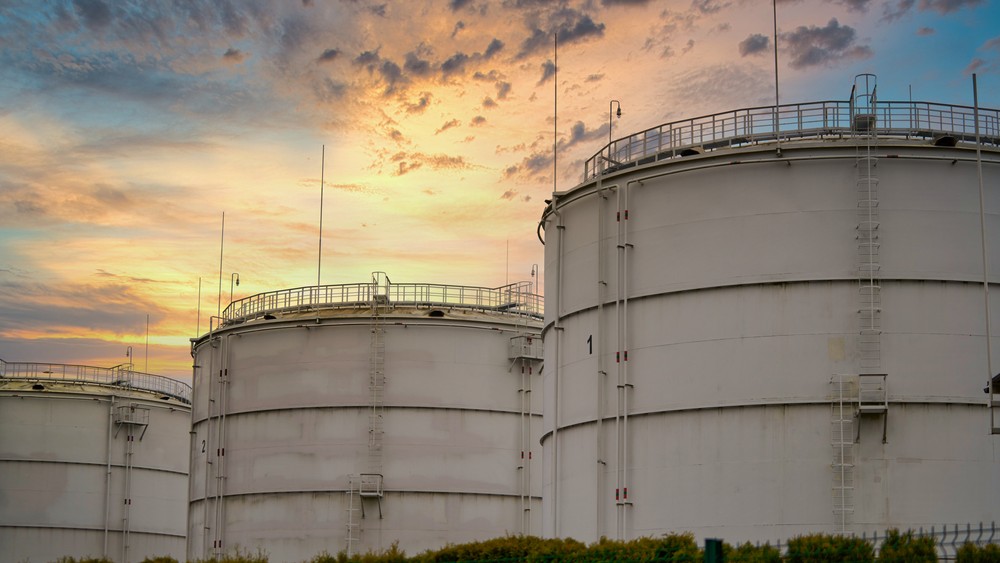
The expansion of India's strategic oil reserves is crucial for mitigating the economic impact of global supply disruptions and price volatility, enhancing national energy security for the world's third-largest oil consumer.
India's government has directed state-owned Oil and Natural Gas Corp (ONGC) to construct and fill a new strategic petroleum reserve (SPR) site, with an estimated investment of $1.6 billion, according to reports. This move aims to enhance the nation's energy security following a recent oil supply crisis exacerbated by Middle East conflicts, which led to soaring energy import bills and fuel prices.
Currently, India's underground SPR facilities in Vishakhapatnam, Mangaluru, and Padur have a combined capacity of 5.33 million metric tons, equivalent to approximately 39 million barrels. This volume covers only about eight days of India's roughly 5 million barrels per day consumption, leaving the country vulnerable to sudden supply shocks. The proposed new site at Mangaluru is planned to have a capacity of 1.75 million metric tons.
Sources suggest that the construction and filling of this new underground cavern by ONGC could cost $1.6 billion. If realized, this expansion would boost India's total oil storage capacity by one-third. The specific nature of the new storage site, whether for government strategic reserves or commercial use, remains unclear. India has been seeking to increase its strategic oil storage for years due to rising demand, with growth rates recently surpassing China's, and the current Middle East conflict appears to have accelerated these plans.