Key facts
- The British Chambers of Commerce (BCC) is urging Andy Burnham to exploit North Sea oil and gas resources.
- The BCC argues this is necessary to prevent job losses and mitigate high import costs.
- The organization stated that importing liquid gas is more expensive and less environmentally friendly than domestic extraction.
- Concerns were raised that the transition to offshore wind is not creating sufficient jobs to replace those lost in the North Sea sector.
- The BCC highlighted a 'cost of doing business crisis,' with costs rising 70% in a decade due to taxes, regulation, and Brexit frictions.
- The group opposes further business taxation, advocating for economic growth as the solution to fiscal challenges.
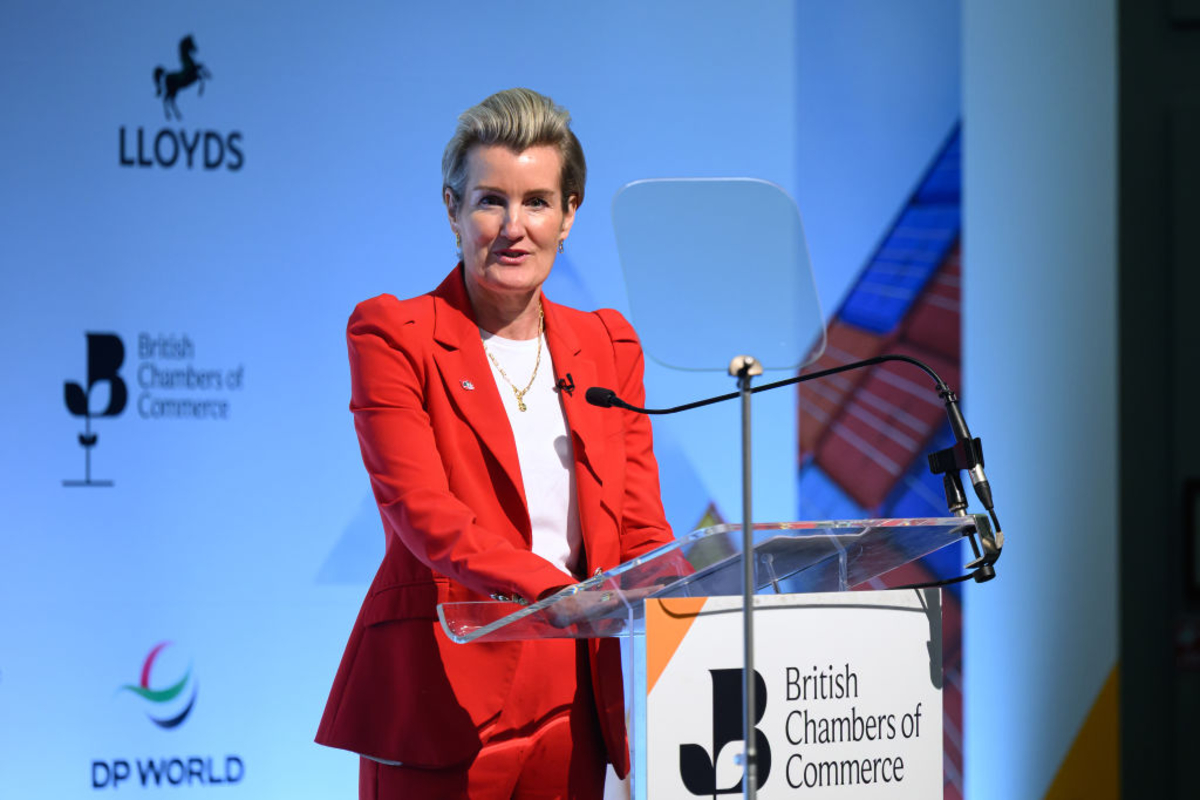
The British Chambers of Commerce (BCC) has urged Andy Burnham, the expected next Labour Prime Minister, to prioritize the exploitation of remaining North Sea oil and gas resources. Director General Shevaun Haviland stated that this is crucial to prevent significant job losses in Scotland and the north-east of England, arguing that importing liquid gas is more expensive and less environmentally friendly than utilizing domestic assets like the Jackdaw and Rosebank fields.
Haviland expressed concern that the current transition to offshore wind is not generating enough jobs to compensate for those lost as the North Sea sector winds down. She warned of a "worrying gap" and fears of a decline similar to the coal mines if the UK does not invest sufficiently in building local supply chains for new industries.
The BCC also called on Burnham to address the "cost of doing business crisis," noting a 70% increase in business costs over the past decade due to taxes, regulation, minimum wage, and Brexit-related trade frictions. Haviland cautioned that high business costs deter investment, creating a vicious cycle that hinders growth and tax income, and specifically highlighted business rates and energy costs as areas needing attention.
Regarding potential new taxes, Haviland stated that taxing businesses further would be a "road to ruin" and advocated for economic growth as the solution to fiscal issues. She indicated that businesses are not interested in reopening discussions about reversing Brexit or rejoining a customs union, preferring pragmatic solutions and completion of negotiations on issues like an agrifood deal and alignment with the EU's carbon border adjustment mechanism. Haviland praised Burnham's record in Manchester for fostering public and private investment.