Key facts
- Intense heatwaves in Europe have lowered water levels in major rivers, impacting energy deliveries and supply chains.
- France's nuclear power output was reduced by 6.4 GW due to high river temperatures limiting cooling capacity.
- The Rhine River, a critical transport route for coal, diesel, and goods, faces navigation restrictions.
- Increased shipping costs for diesel from Rotterdam to southern Germany have exceeded 50% in the past week.
- The German economy suffered over $6.8 billion in losses from the June heatwave.
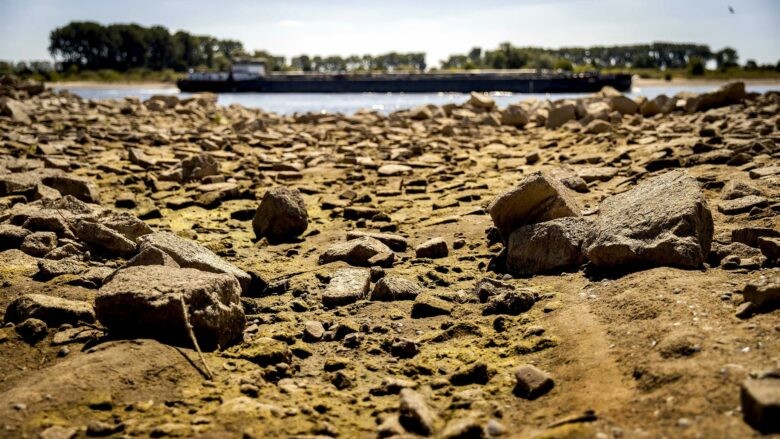
Europe's early summer heatwave has led to critically low water levels in major rivers, severely impacting energy deliveries, power generation, and key supply chain routes. Record temperatures have persisted for weeks, particularly in Germany and France, limiting rainfall and affecting inland navigation.
The Rhine River, Europe's most significant inland shipping corridor, is experiencing navigation restrictions, forcing barges to carry lighter loads. This has increased shipping costs for essential goods like coal and diesel, adding to existing supply chain strains exacerbated by the Strait of Hormuz crisis. The low water levels at the Kaub chokepoint, a critical narrow section of the Rhine, are at their lowest in decades for mid-July, significantly hiking freight costs.
In France, the heatwave has directly impacted energy production. Nuclear power plants, which rely on river water for cooling, had to slash output by 6.4 GW, representing about 14% of the country's daily power demand. This is becoming a recurring issue as heatwaves grow longer and more extreme.
The economic consequences are substantial. The German economy reportedly lost over $6.8 billion from the June heatwave alone. Projections suggest that Germany could face significant daily losses of approximately $1.14 billion for each day temperatures exceed 35 C, potentially leading to annual damages exceeding $23 billion.
These disruptions echo previous crises in 2018 and 2022, but the current situation coincides with broader geopolitical tensions, including the Middle East crisis, further pressuring industry, energy prices, and inflation.