HomeEverythingEducationTV
Equities & FundsCrypto & Digital AssetsAI & TechnologyBusiness & CorporateUS Politics & PolicyGeopolitics & Global RiskMacro, Rates & FXCommodities & EnergyEuropean Politics & MarketsAsia-PacificReal Estate & Property
Story archiveAll categories
← All Stories

Microgrids Gain Traction Amid Extreme Weather and AI's Growing Energy Demands

Created at 19 Jul · 12:11 AM1 source↑ Market-relevant
IN SHORT

Microgrids, self-contained power systems capable of operating independently from the main grid, are seeing increased adoption due to extreme weather events, rising electricity costs, and the immense power needs of AI data centers. These systems offer resilience and local control, becoming crucial for critical infrastructure and energy transition efforts.

✉Newsletter

PiQ Daily

Pick your topics. Get only what matters, on your cadence.

Key Numbers

415 terawatt-hoursglobal data center electricity use in 2024
double by 2030projected data center electricity use
50 to 100 kilowattspower pull for AI racks
5 to 10 kilowattspower pull for traditional server racks
five yearsgrid interconnection queue times in some markets
$7.65 billionfuel cell contracts signed by Bloom Energy for data centers in Q1 2026
2.8 gigawattscapacity for Oracle deal with Bloom Energy
$2.65 billioncommitment by American Electric Power for fuel cell power
92 percentUC San Diego campus's annual electricity supplied by its microgrid
55-megawattpeak load of UC San Diego's microgrid

Who's Involved

Casa Pueblo
local environmental group in Adjuntas, Puerto Rico, that pioneered a community microgrid
U.S. Department of Energy
categorizes microgrids into four broad types
Schneider Electric
built a microgrid at Marine Corps Air Station Miramar
Black & Veatch
built a microgrid at Marine Corps Air Station Miramar
NREL
helped fold a data center's backup generator into a military base's microgrid
UC San Diego
operates a large microgrid supplying most of its electricity
Oak Ridge National Laboratory
building software to enable communication between small microgrid systems
Cornell researchers
building an independent power system on Vieques, Puerto Rico
IEEE
proposed a 'system of systems' for storm-prone regions
International Energy Agency
projects global data center electricity use to double by 2030
EPRI
projects data centers could account for over half of electricity use in parts of Virginia by 2030
Bloom Energy
signed significant fuel cell contracts for data centers
Oracle
partnered with Bloom Energy for fuel cell capacity
American Electric Power
committed to fuel cell power for a Wyoming data center
FuelCell Energy
struck deals to serve data center sites with fuel cells
Microgrids Gain Traction Amid Extreme Weather and AI's Growing Energy Demands

↳ Why This Matters

Microgrids are becoming essential for ensuring energy reliability in the face of extreme weather, aging infrastructure, and the escalating power demands of technologies like AI. Their ability to provide localized, resilient power is crucial for critical services and is reshaping how energy is managed and distributed.

Key facts

  • A microgrid is a self-contained power system that generates, stores, and manages its own electricity for a defined area.
  • Microgrids can disconnect from the main utility grid and operate independently, a process known as islanding.
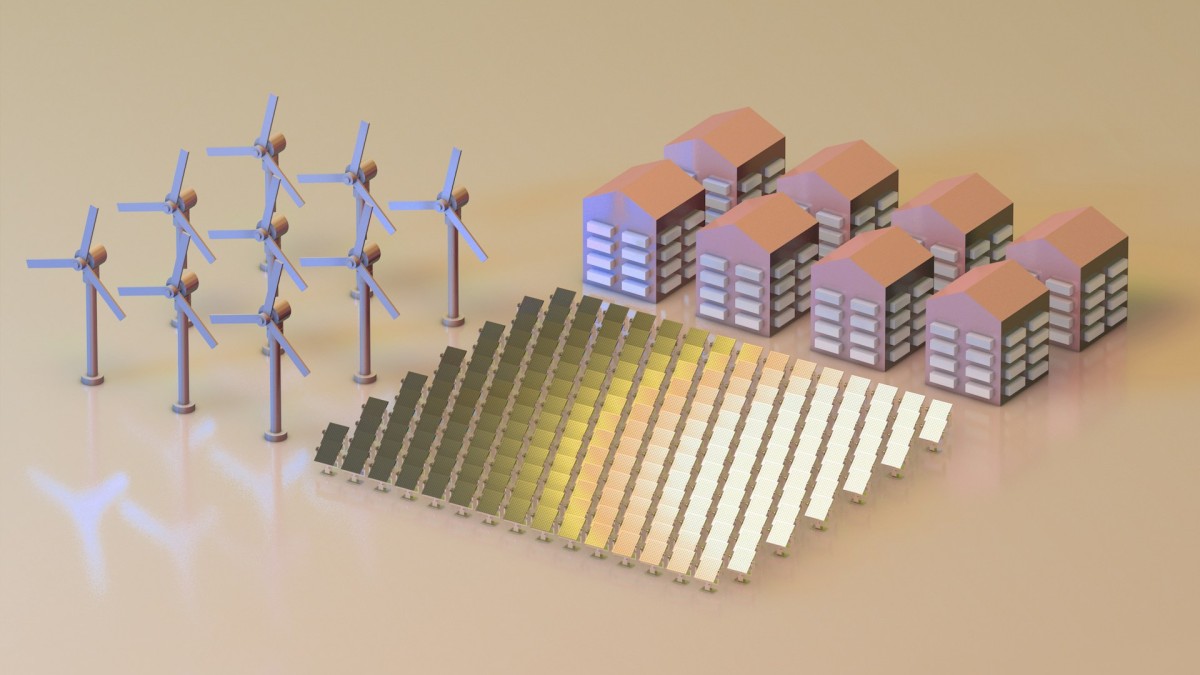
  • Essential components of a microgrid include local generation (e.g., solar PV, natural gas turbines), energy storage (e.g., batteries), and a microgrid controller.
  • Factors driving the growth of microgrids include extreme weather events, rising electricity costs, and the aging of existing power grids.
  • The significant and growing electricity consumption of AI data centers is a major catalyst for microgrid deployment.
  • Microgrids are designed to provide guaranteed power uptime for critical infrastructure like hospitals and military bases.

Microgrids, self-contained electricity systems that can operate independently of the main utility grid, are rapidly gaining prominence. Initially recognized for their resilience during disasters like Hurricane Maria in Puerto Rico, where Casa Pueblo's solar-powered headquarters remained operational, microgrids are now being deployed across various settings including military bases, university campuses, and hospitals. Their ability to generate, store, and manage power locally, and to 'island' themselves during grid failures, makes them critical for ensuring energy security.

Modern microgrids typically integrate distributed energy resources (DERs) such as solar photovoltaic panels, natural gas turbines, or fuel cells, coupled with energy storage solutions like lithium-ion batteries. A sophisticated microgrid controller acts as the 'brain,' balancing supply and demand, managing interactions with the main utility grid, and initiating islanding mode when necessary. The point of common coupling (PCC) is the critical connection where the microgrid interfaces with the utility grid.

The surge in microgrid adoption is driven by several factors: increasing frequency and intensity of extreme weather events, rising electricity costs, and the aging infrastructure of traditional power grids. The burgeoning demand for electricity from artificial intelligence (AI) data centers, which require substantial and reliable power, is a particularly strong catalyst. These data centers, with their high-density power needs, often face long waits for grid interconnection, leading hyperscalers to invest in on-site generation and microgrid solutions, frequently utilizing fuel cells and battery storage.

While often confused with smart grids, microgrids are distinct. A smart grid is an upgraded, broader utility network with enhanced communication and automation, whereas a microgrid is a smaller, self-sufficient segment that can operate autonomously. The two systems are increasingly designed to work in tandem, with smart grid technology enabling utilities to coordinate with multiple microgrids for grid support and emergency response.

Examples of advanced microgrid implementation include Marine Corps Air Station Miramar in San Diego, which uses a combination of generation sources and storage to power over 100 critical buildings, and UC San Diego, whose microgrid supplies a significant portion of the campus's electricity. In Puerto Rico, the Casa Pueblo microgrid has expanded to link local businesses, and similar projects are underway on islands like Vieques. Researchers are also developing software to allow clusters of microgrids to support each other, enhancing overall grid resilience.

Frequently asked questions

A smart grid is a broader, upgraded utility network with enhanced communication and automation. A microgrid is a smaller, self-contained power system that can operate independently from the main grid.

A microgrid requires local power generation (like solar or fuel cells), energy storage (such as batteries), and a microgrid controller to manage these resources and the connection to the main grid.

AI data centers have enormous and growing electricity demands, and often face long delays for grid interconnection. Building their own on-site power generation through microgrids offers a faster and more reliable solution.

Islanding is the process by which a microgrid disconnects from the main utility grid and operates autonomously using its own local generation and storage resources.

What Happens Next

01Oak Ridge National Laboratory is developing software to enable communication between clusters of microgrids.
02Cornell researchers are building an independent power system on Vieques, Puerto Rico.
03Hyperscalers continue to sign contracts for on-site generation, including fuel cells, to power data centers.

Get the newsletter.

Pick the topics you actually care about. We'll email when there's news worth your time, on the cadence you choose. Cancel any time from your account.

Cadence
CME Headlines
  • Live Cattle futures fell to mark fourth weekly loss.
    17 Jul · 8:22 PM
  • Live Cattle futures fell to mark fourth weekly loss.
    17 Jul · 8:22 PM
  • Wheat futures rallied 45.5 cents amid new soybean flash sales.
    17 Jul · 8:22 PM

How It Developed

Microgrids, self-contained power systems, can generate, store, and manage electricity for a defined area.
They can operate connected to the main grid or disconnect entirely through a process called islanding.
Microgrids require local generation, energy storage, and a controller to manage supply and demand.
Key drivers for microgrid adoption include extreme weather, rising electricity costs, and aging grid infrastructure.
Military bases, universities, and hospitals are increasingly implementing microgrids for guaranteed uptime.
The immense electricity demand from AI data centers is accelerating microgrid development.
Hyperscalers are building on-site power generation, often using fuel cells, to meet AI's energy needs.
Microgrids are distinct from smart grids, with microgrids being smaller, self-contained units that can work with broader smart grid networks.

Sources

T1
What Is a Microgrid? How They Work and Why They're Suddenly EverywhereOilPrice.com

Related Stories

US Scientists Develop Seawater Extraction Tech to Counter China's Rare Earth Monopoly
18 Jul · 6:06 PM
China's share of global wind turbine market reaches nearly 80%
18 Jul · 5:31 PM
Iraq, Jordan Accelerate $18B Pipeline to Bypass Hormuz Amid US-Iran War
18 Jul · 2:31 PM
Bangladesh's $12.65 Billion Nuclear Bet Faces Its Biggest Test Yet
18 Jul · 3:56 AM
Mega-event emissions linked to fan travel, not operations
18 Jul · 6:11 AM