Key facts
- China's strategic reserves have helped cushion the oil market during Strait of Hormuz disruptions.
- China's crude oil imports reached a decade low in June.
- Inventories in key markets are critically low.
- China may soon return to significant crude purchases as its reserves are drawn down.
- Disruptions in the Strait of Hormuz are expected to continue, tightening global oil markets.
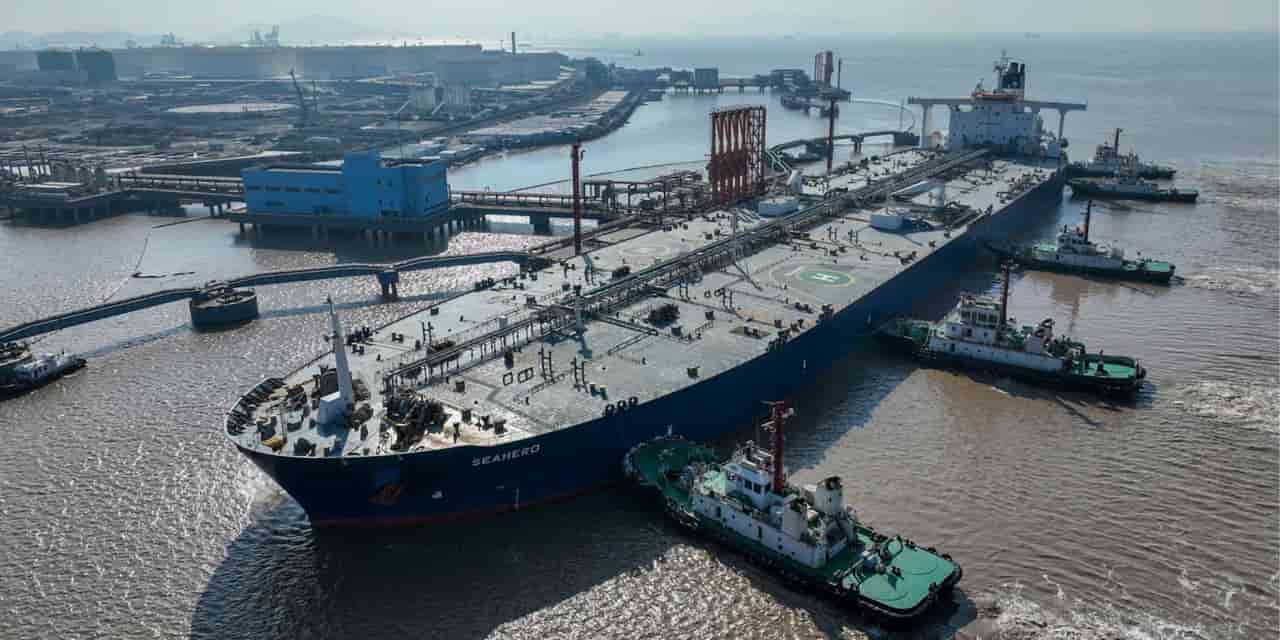
China's substantial crude oil reserves have played a crucial role in stabilizing global oil prices amidst geopolitical tensions and disruptions to shipping through the Strait of Hormuz. The nation, as the world's top crude importer, has strategically managed its import volumes and stockpiles, acting as a significant demand buffer.
In June, China's crude oil imports fell to a decade low, down 41.3% from the previous year, totaling 7.12 million barrels per day. This reduction was partly due to high prices and constrained supply from the Middle East, allowing China to draw down its significant reserves, estimated at 1.2 to 1.3 billion barrels before the recent conflict. In May alone, China reportedly tapped 41 million barrels from its inventories.
However, this buffer may soon be exhausted. Analysts suggest China could accelerate its buying for July and August as its reserves dwindle and Gulf producers have lowered official selling prices. The continued disruption and reduced traffic through the Strait of Hormuz, coupled with critically low inventories in key markets and the depletion of strategic stock releases, are laying the groundwork for potentially higher oil prices if the situation does not improve.