Key facts
- Europe is experiencing a severe heatwave and drought, leading to wildfires and strained energy supplies.
- Austria recorded a new high temperature of 41.2 C.
- Wildfires are occurring in Albania and Greece, with evacuations in Albania.
- Hungary has requested power consumption cuts due to drought affecting its sole nuclear plant's cooling systems.
- Record-low water levels on the Danube and Rhine rivers are impacting energy production and commodity transport.
- Slovenia's Krsko nuclear power plant is reducing output due to high temperatures and low river flows.
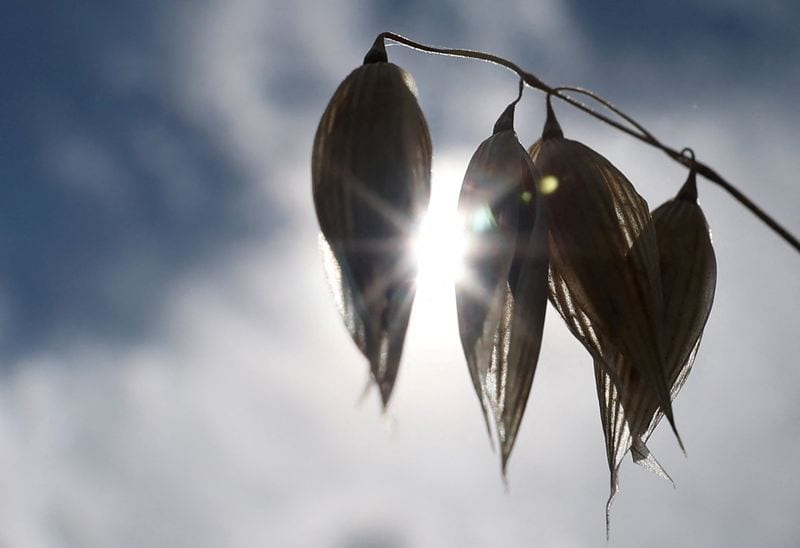
- Britain's cereal harvest is expected to be the worst since 1984.
Southern and eastern Europe are grappling with a severe heatwave and drought, leading to significant challenges including wildfires and strained energy supplies. In Albania, emergency services are battling a wildfire in the south, which has necessitated the evacuation of approximately 15 families along with their livestock and pets. Efforts are also underway to contain another wildfire in rocky, mountainous terrain. Hungary has urged companies and households to cut power consumption to alleviate pressure on the national grid. The country's sole nuclear power plant has been largely shut down due to record-low water levels in the Danube River, which are essential for its cooling systems. This situation has created an energy crisis, stretching power supply capacity to its limits. Further west, Germany's Rhine River has reached new low water levels, impacting the transport of commodities like grains, ores, and petrol, with some cargo services halted and others operating with significantly reduced loads. Similarly, Slovenia's Krsko nuclear power plant, which supplies neighboring Croatia, announced it would reduce its output due to exceptionally high temperatures and low flows on the Sava River. In Greece, a wildfire near a popular holiday destination northwest of Athens, possibly ignited by vibrating electricity conductors and fanned by strong winds, has burned thousands of hectares of farmland. While largely contained, firefighters remain on alert for flare-ups. The prolonged hot and dry summer conditions are also having a detrimental effect on agriculture. Britain's cereal harvest is projected to be the worst on record since 1984, following one of the driest and hottest spring-summer periods.