Key facts
- El Niño conditions are officially present, according to NOAA.
- There is a 63% probability of an extremely strong El Niño event occurring between November 2026 and January 2027.
- High drought risks are projected for regions including the Sahel, Southern Africa, South and Southeast Asia, and Central America.
- FAO and WFP have launched a $202 million appeal for anticipatory action in 22 high-risk countries.
- Previous strong El Niño events have led to significant crop losses, livestock deaths, and humanitarian crises.
El Niño conditions have been officially declared by the U.S. National Oceanic and Atmospheric Administration (NOAA), with a significant probability of intensifying into an "extremely strong" event by late 2026. Forecasts from the European Centre for Medium-Range Weather Forecasts (ECMWF) suggest sea surface temperature anomalies could reach +3°C by December, potentially surpassing the record-breaking 2015-16 El Niño.
The International Research Institute for Climate and Society (IRI) has assigned a 98% probability to El Niño conditions developing, and the European Commission's Joint Research Centre (JRC) described the event as "almost certain" and "highly likely to become an extremely strong, or even unprecedented, event."
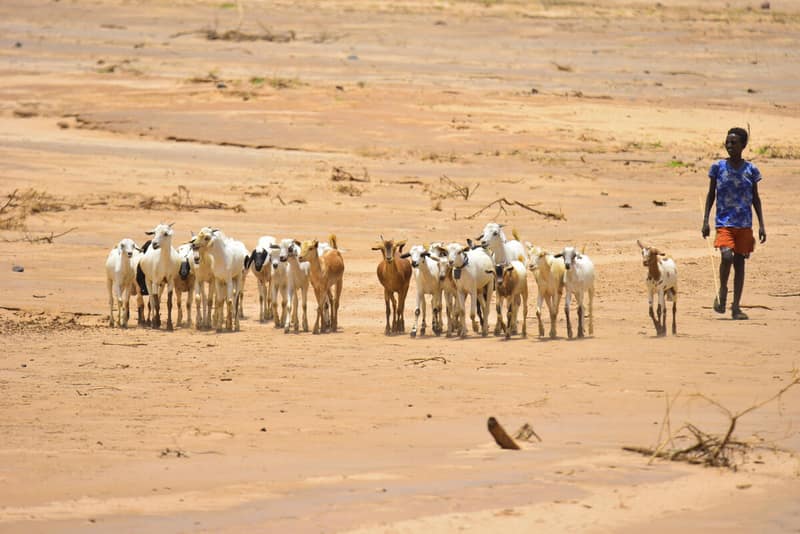
Analyses by the Food and Agriculture Organization of the United Nations (FAO) highlight the highest risks of drought impacting crops and pasturelands in the Sahel, Southern Africa, South and Southeast Asia, and Central America’s Dry Corridor. These regions, already vulnerable due to conflict and economic stress, face more than a 50 percent chance of drought. The FAO notes that the planet's warmer state exacerbates the impact of these extreme weather events.
In response to the growing threat, FAO and the World Food Programme (WFP) have launched a joint anticipatory action appeal seeking $202 million to protect 8.8 million people across 22 high-risk countries. The appeal aims to fund early interventions before droughts escalate into humanitarian emergencies.
Historical data shows that strong El Niño events have had severe consequences. The 1997-98 event led to crop production declines of 15% to 20% in parts of Central America and the Caribbean and an estimated loss of 15 million tonnes of rice in Southeast Asia. The 2015-16 El Niño affected over 60 million people and prompted $5 billion in humanitarian appeals, underscoring the potential for widespread devastation.