Key facts
- Sweden's grain production is expected to decrease.
- Winter wheat has suffered significant damage.
- Overall gross farm income in Sweden fell by 50% in 2023.
- Falling grain prices and static production costs are cited as reasons for the income decline.
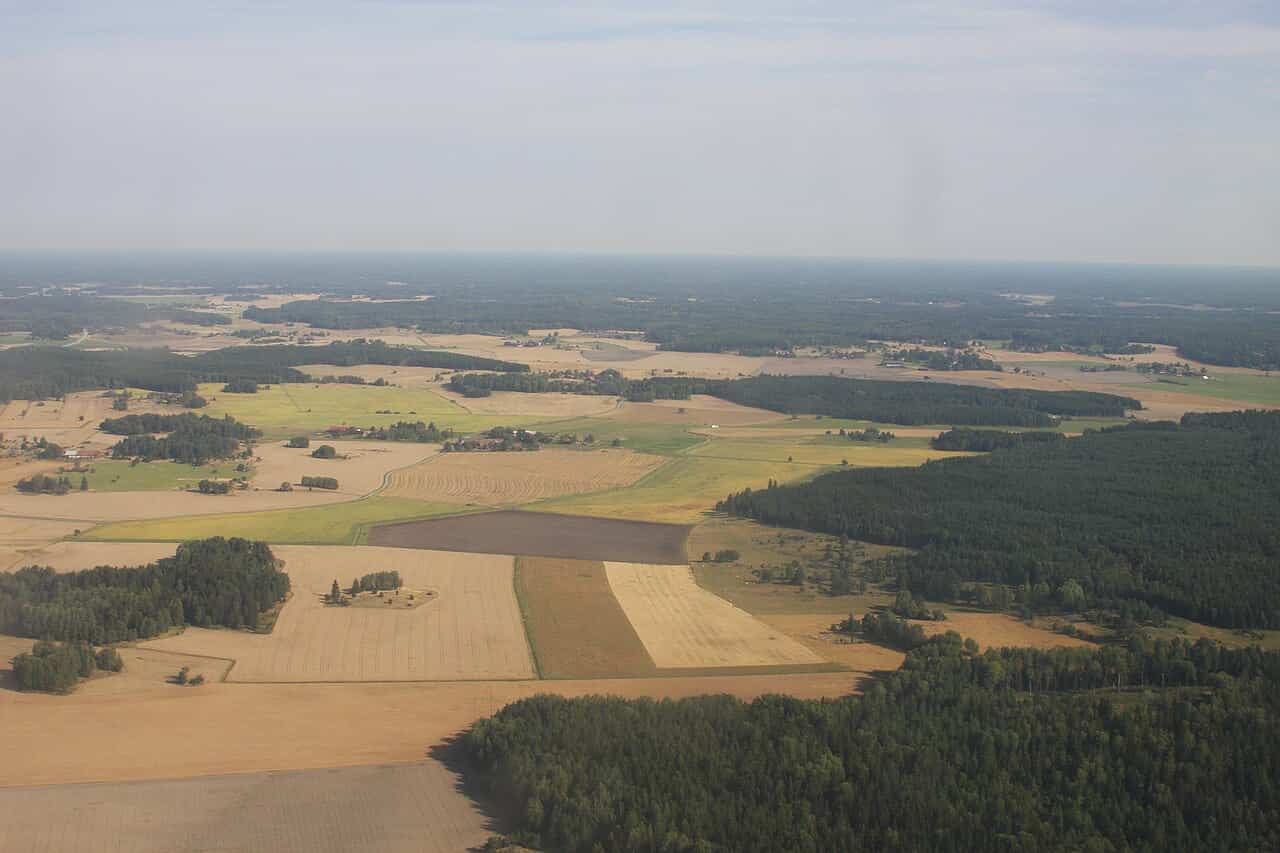
Sweden's grain output is expected to decline, with winter wheat particularly affected by damage sustained over the winter, according to agricultural cooperative Lantmännen. This projected decrease follows a substantial 50% drop in overall gross farm income in 2023, which fell to SEK 9.1 billion. Lantmännen attributes this income reduction to falling grain prices and static production outlays, though the overall income figure remains similar to levels seen between 2019 and 2021. Sweden's agricultural productivity is influenced by its varied climate and soil types, with the southern regions being the most agriculturally productive due to longer growing seasons. Wheat, oil plants, and sugar beet are common in the south, while barley and oats are more prevalent further north, primarily for animal feed.