Key facts
- Cypress Creek Energy secured $3.5 billion in financing for the Steel River Energy Center in Arkansas.
- The project's first two phases will add 1.63 GW of solar power and 1.9 GWh of battery storage.
- The full project, completed in three phases by 2029, aims for 2.45 GW of solar and 2.9 GWh of storage.
- An undisclosed technology company will purchase the energy output.
- Key components, including solar panels and structural steel, are sourced from U.S. manufacturers.
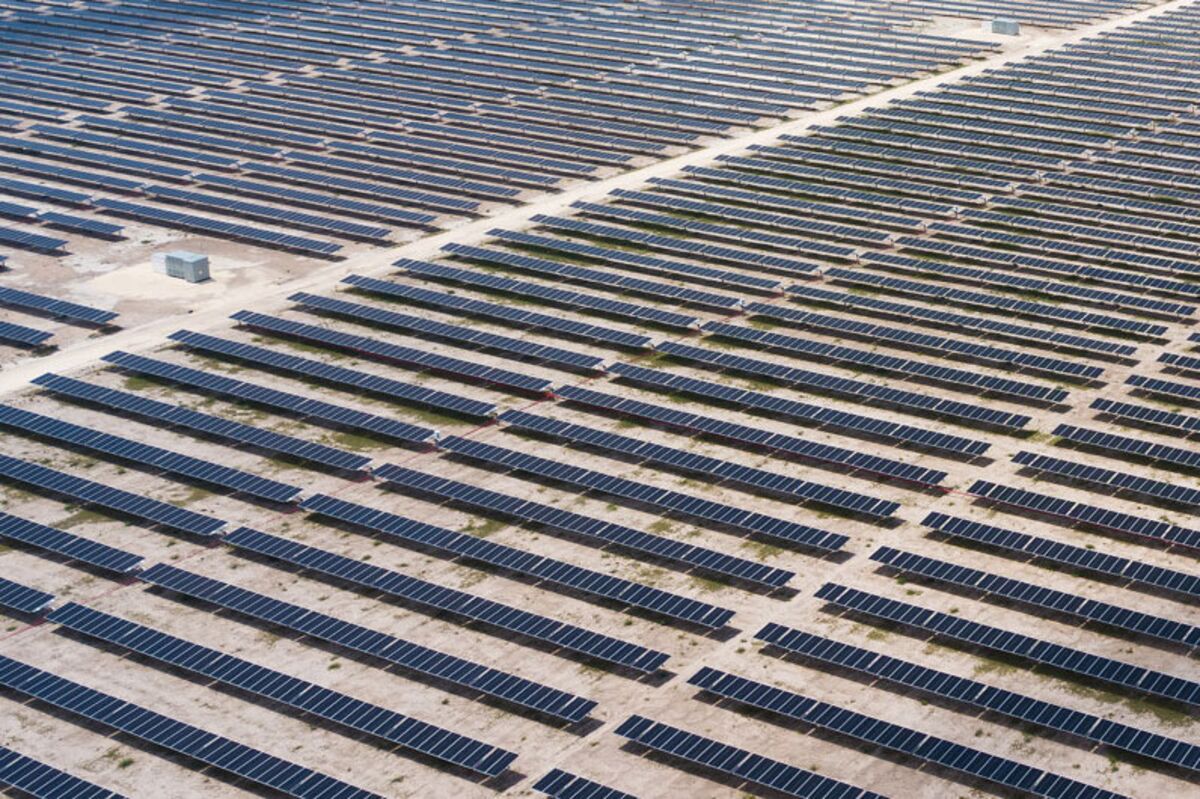
Cypress Creek Energy has secured $3.5 billion in financing for the first two phases of its Steel River Energy Center, a large-scale solar and battery storage project in Arkansas. This significant investment underscores sustained investor interest in renewable energy, even amidst broader discussions about clean energy policy.
The financing will support the construction and operation of 1.63 gigawatts (GW) of solar power and 1.9 gigawatt-hours (GWh) of battery storage, intended for the regional power grid within the Midcontinent Independent System Operator (MISO) territory. The entirety of the generation output from these initial phases has been contracted with an undisclosed technology company that has substantial power needs, likely driven by data center growth and AI workloads.
The Steel River Energy Center is envisioned as a three-phase development, with the potential to reach 2.45 GW of solar and 2.9 GWh of storage by 2029. Phase one is expected to deliver power by early 2028, with all three phases potentially operational by mid-2029. This project, acquired by Cypress Creek from Swift Current Energy, highlights the increasing demand for utility-scale solar and storage solutions.
Cypress Creek emphasized the project's commitment to strengthening American supply chains, utilizing 100% U.S.-made solar panels from First Solar, structural steel from Mississippi County, and U.S.-assembled batteries from LG. Key components will also be sourced from Arkansas-based companies. The project's location in Mississippi County, a major steel-producing region, facilitates access to materials and existing transmission infrastructure.
The financing was underwritten by Barclays, BNP Paribas, Santander, and Wells Fargo, with tax equity provided by a major undisclosed investor. This deal is seen as a strong signal of confidence in the long-term viability of large-scale renewable energy projects, even as federal tax credits for clean energy technologies evolve.