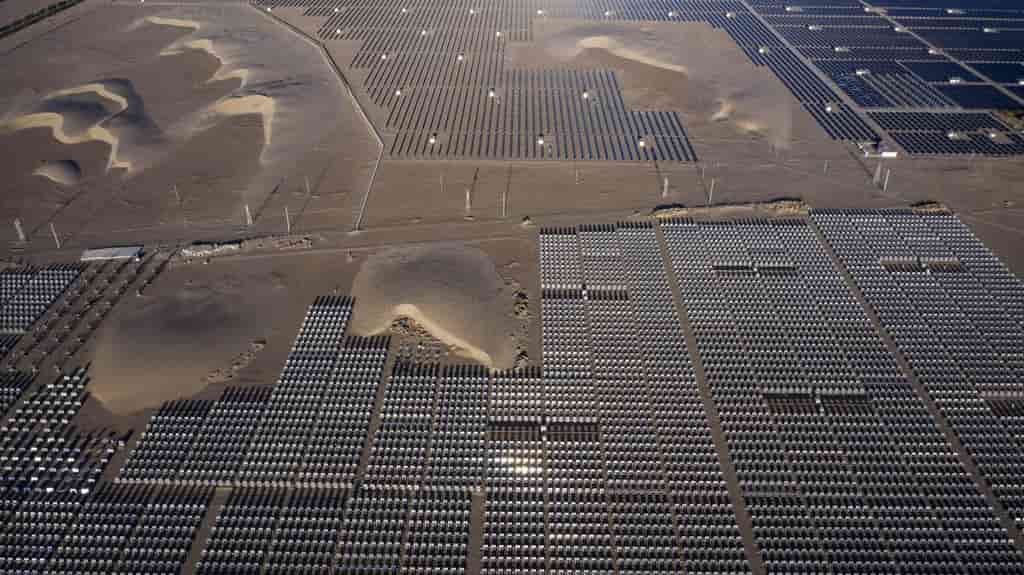
China has outlined its energy strategy for 2026-2030 with its 15th Five-Year Plan, emphasizing a significant expansion of renewable energy sources and grid infrastructure. A key component is the mandate for increased consumption of renewables, with binding targets set to take effect from August 1. The plan aims for a 17% reduction in carbon intensity per unit of GDP over the five-year period, a target considered weaker than previous goals and potentially insufficient to meet international climate commitments.
The blueprint also signals a shift in coal policy, moving away from earlier commitments to reduce coal consumption towards language focused on peaking demand and enhancing the efficiency of fossil fuel use. This approach, coupled with a slowdown in cement production, may allow for emissions to continue rising in the coming years, despite the plateauing of China's carbon output recently due to surging renewable capacity.
Policymakers are prioritizing supply-side expansion of clean energy, including substantial plans for pumped hydro storage and offshore wind, expecting falling costs and technological advancements to gradually lower emissions intensity. However, the absence of explicit caps on total carbon emissions or binding limits on coal consumption in the power sector leaves uncertainty regarding China's overall emissions trajectory.