Key facts
- China's crude oil imports in May reached 7.82 million barrels per day, the lowest since February 2018.
- This represents a significant year-on-year decrease of 3.2 million barrels per day.
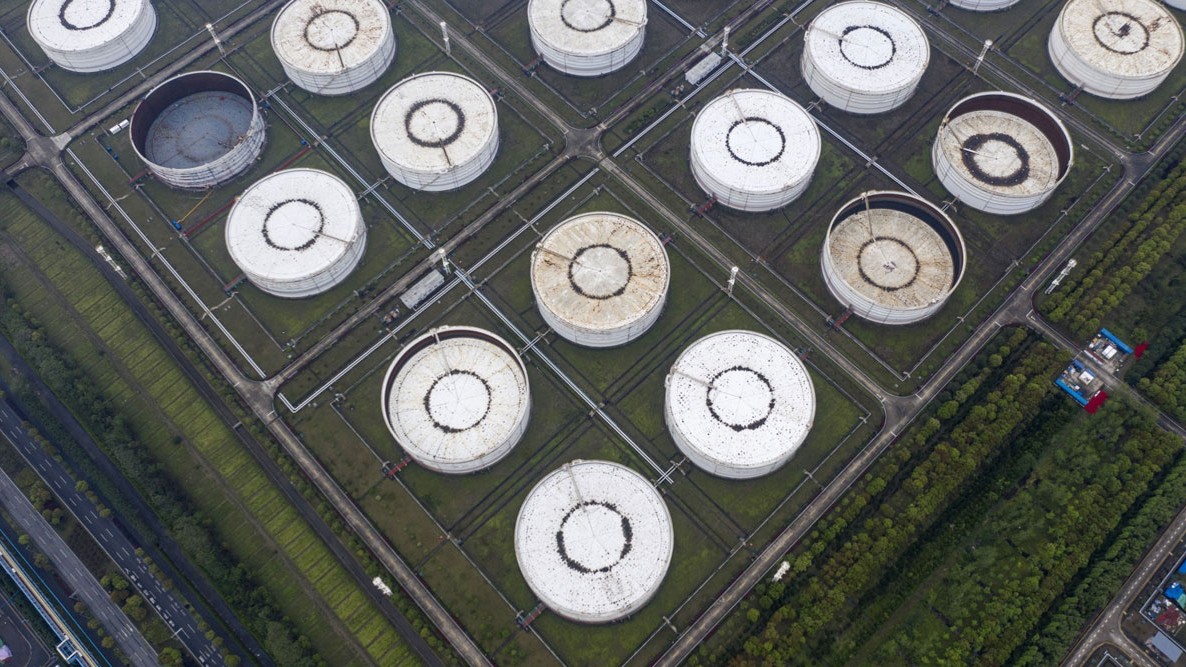
- The country has shifted from importing physical crude to utilizing its strategic reserves.
- Imports from key Middle Eastern suppliers like Iraq and Saudi Arabia saw substantial reductions.
- Despite lower overall imports, gasoline prices remain strong, reaching a near four-year high for the RBOB-Brent crack.
- Attacks on Russian refining infrastructure are impacting gasoline and diesel supply, with the Moscow Oil Refinery facing a lengthy repair period.
Oil prices are being influenced by developments in the U.S.-Iran conflict and China's declining crude imports. Brent crude for August delivery fell 4.79% to $73.39 per barrel, and WTI crude was down 4.23% to $70.11 per barrel, reflecting a bearish outlook from Standard Chartered analysts.
China's crude oil imports in May dropped to 7.82 million barrels per day, the lowest level since February 2018. This decline is attributed to the nation drawing on its strategic reserves rather than importing physical cargoes. Imports from major Middle Eastern suppliers, including Iraq, UAE, Russia, Saudi Arabia, and Oman, were significantly reduced. China also lowered imports from Malaysia and Congo, likely rerouting Iranian barrels, while increasing purchases from South Sudan, Canada, Indonesia, Colombia, and Brazil to diversify supply.
Standard Chartered analysts project that oil supply normalization is unlikely before the third quarter. The timing of China's return to the physical cargo market is seen as critical for global demand recovery. Despite a general reduction in geopolitical risk premiums for refined products, middle distillates like diesel are struggling due to softer industrial demand. However, gasoline markets remain strong, with the RBOB-Brent crack at its highest in nearly four years, supported by tight US inventories and seasonal demand.
Meanwhile, escalating Ukrainian attacks on Russian refining assets are impacting gasoline and diesel supplies. The Moscow Oil Refinery, a major producer, sustained severe damage and is unlikely to resume operations before early 2027, affecting approximately 40% of Moscow's gasoline and 70% of the capital region's fuel and aviation kerosene demand.