Key facts
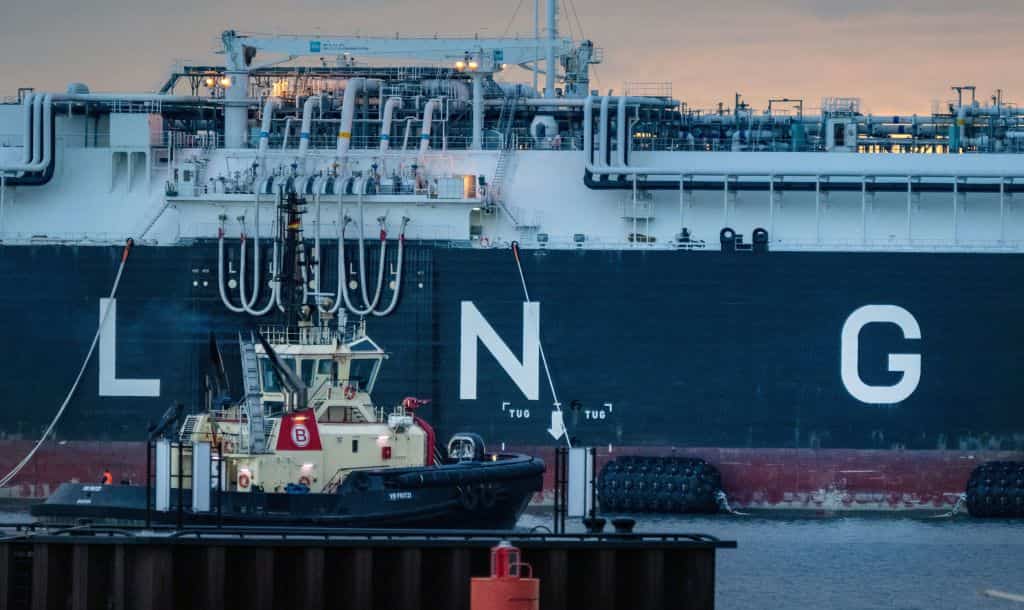
- In July, 100% of Belgium's liquefied natural gas (LNG) imports came from Russia, according to CREA.
- Russian LNG imports for France, Spain, and Belgium combined fell by 46%.
- Globally, Russia's revenue from LNG exports decreased by 36% in July.
- Hungary and Slovakia were the largest EU spenders on Russian fossil fuels in July.
- The EU plans to ban Russian LNG imports by the beginning of 2027.
Despite anticipated EU bans, Russia accounted for 100% of Belgium's liquefied natural gas (LNG) imports in July, according to an analysis by the energy think tank CREA. This finding emerges as overall Russian LNG imports across France, Spain, and Belgium saw a combined 46% decrease, and global earnings for Moscow from LNG exports fell by 36% in July. The report highlights that Hungary and Slovakia remain significant importers of Russian fossil fuels, with substantial spending in July, largely due to their continued connection to Russian pipeline networks for oil and gas. Belgium, France, and Bulgaria were also among the top five EU importers of Russian fossil fuels. The European Union has set a target to fully ban Russian LNG imports by the beginning of 2027. Globally, China continues to be the largest importer of Russian fossil fuels, representing 43% of Russia's revenue from these exports. India, meanwhile, has recorded record imports of Russian crude oil for two consecutive months. In parallel, the U.S. Senate has advanced a bill that could impose 100% tariffs on the world's five largest purchasers of Russian energy.