Key facts
- Russia's seaborne crude exports decreased to 3.71 million barrels per day in the four weeks ending August 9, the lowest since May.
- Shipments averaged 3.25 million bpd in the most recent week, a decrease from the previous week's 3.5 million bpd.
- Domestic refinery runs increased, pulling crude away from export markets.
- Attacks on tankers and storage facilities near the Novorossiysk port have reduced its loading capacity.
- Ukraine has intensified refinery attacks, potentially leading to more crude being diverted to exports.
Russia's seaborne crude exports have fallen to their lowest point since May, with shipments averaging 3.71 million barrels per day in the four weeks leading up to August 9. This decline is attributed to increased domestic refinery processing and disruptions at key export ports, exacerbated by Ukrainian attacks.
In the latest week, shipments averaged 3.25 million bpd, down from 3.5 million bpd the prior week. This comes despite a reported increase in Russian crude and condensate production in July to over 9 million bpd. Refineries saw a temporary lull in Ukrainian attacks in the latter half of July, allowing for repairs and increased processing, which diverted more crude into domestic use rather than export tankers.
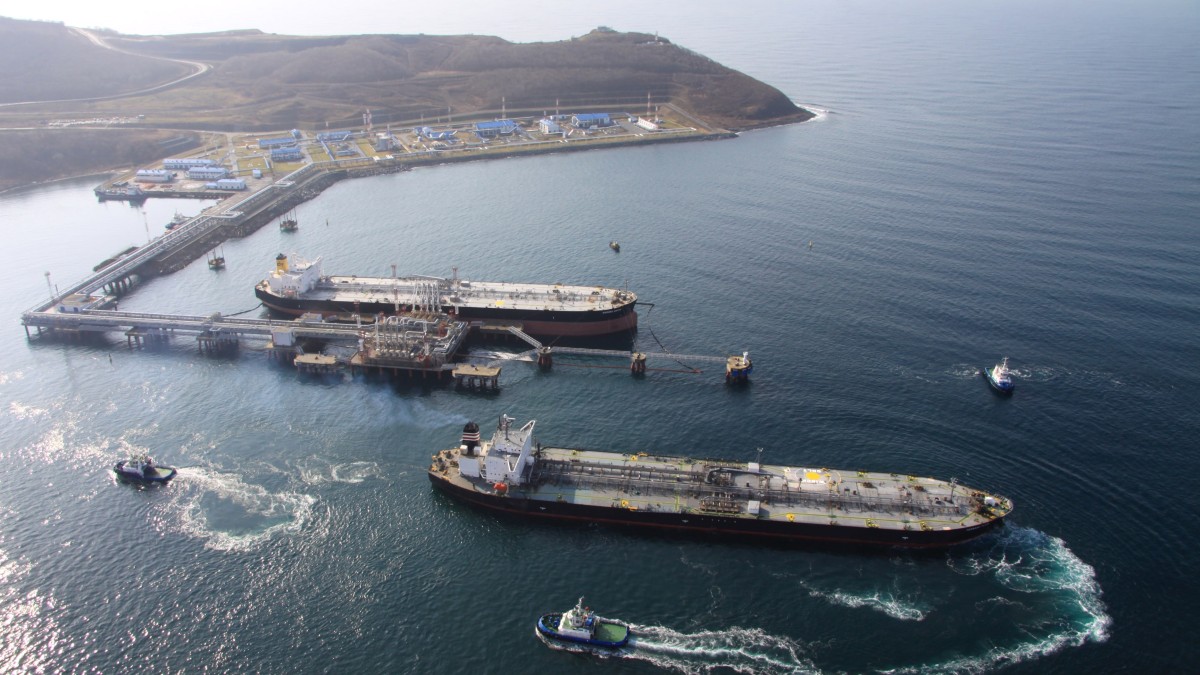
Key export hubs have been impacted. Novorossiysk, a major Black Sea outlet, is operating at roughly half its peak capacity due to attacks on nearby tankers, with Turkey also temporarily restricting traffic. Baltic loadings at Ust-Luga have also seen significant reductions.
Further complicating export logistics, Ukraine has targeted multiple Russian refineries in early August. While Russia had planned to increase shipments from western ports due to refinery outages, challenges such as tight tanker availability, constrained port capacity, and ongoing attacks are hindering the movement of these barrels.
Despite the recent dip, year-to-date seaborne flows remain higher than last year, averaging 3.62 million bpd. Russia's crude at sea has decreased to approximately 107 million barrels, with deliveries to India remaining strong.