Key facts
- Australia's iron ore mines and ports face heightened strike risks due to union-led industrial action.
- Working days lost to disputes in the resources sector reached their highest level since 2022 in the December quarter of 2025.
- Unions are pushing for pay hikes and job security amid 4% inflation and recent interest rate rises.
- Recent strikes disrupted shipments from the Ichthys LNG project, which accounts for about 10% of Australia's LNG output.
- BHP warns that rising costs and productivity issues could diminish Australia's appeal as a mining investment destination.
Labour unrest is escalating across Australia's resources sector, with significant strike threats looming over its crucial iron ore mines and ports. Unions have intensified industrial action since a 2022 law granted them more power to negotiate wages and organize industry-wide strikes. Working days lost to disputes reached their highest level since 2022 in the December quarter of 2025, as workers seek pay increases and job security amid high inflation and rising interest rates.
Recent strikes in June disrupted shipments from the Ichthys LNG project, which accounts for approximately 10% of Australia's LNG output, before its operator, Inpex, reached an agreement with unions. Shell's Prelude floating LNG vessel is next in line for wage negotiations, with potential for further strike action if a new employment deal is not reached.
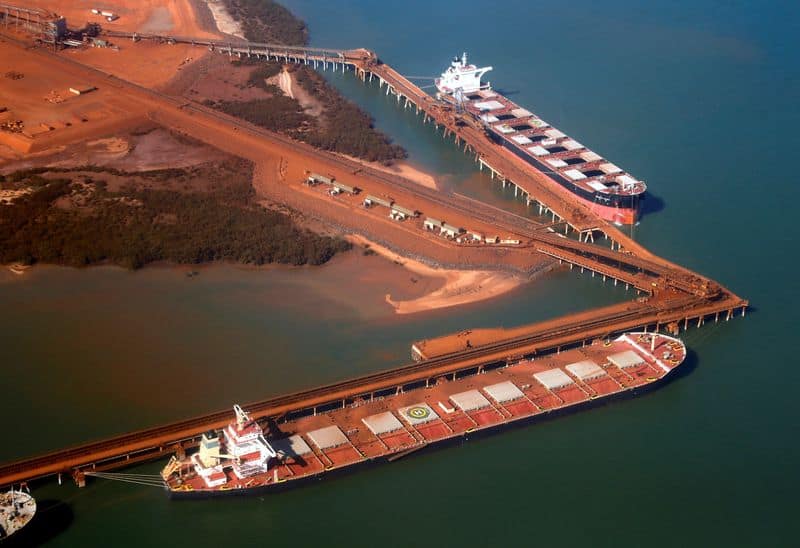
Unions are also increasing pressure at BHP's Port Hedland operations, a vital artery for iron ore exports. A potential agreement is expected at their next meeting on July 7. Port Hedland ships around $150 million of iron ore daily, highlighting the scale of potential disruption to Australia's top export earner. BHP has warned that rising costs and productivity issues stemming from industrial action could erode the country's appeal as a mining investment destination. Analysts suggest that if wages increase significantly, companies like BHP and Rio Tinto may accelerate automation efforts.