Key facts
- Australia has launched the Grain Storage Assets and Management Standard (GSAMS), a voluntary industry initiative.
- GSAMS aims to enhance quality assurance and management of grain throughout domestic and export supply chains.
Australia has introduced a new voluntary industry standard, the Grain Storage Assets and Management Standard (GSAMS), to enhance grain quality assurance and supply chain management. The plan, developed by Grain Trade Australia and the Department of Agriculture, Fisheries and Forestry, aims to bolster Australia's reputation as a reliable grain supplier.
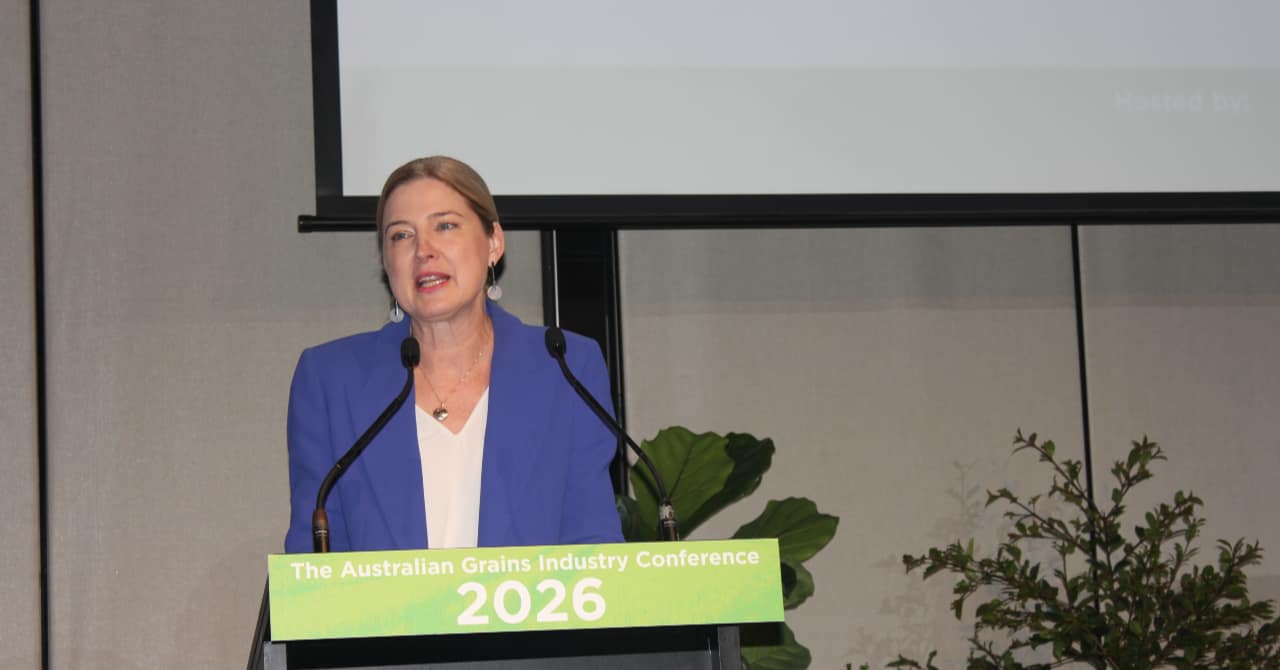
This initiative aims to enhance Australia's standing in the global grain market by ensuring higher quality standards and streamlining export processes, which is crucial in a rapidly evolving international trade landscape.
Australia has introduced a new voluntary industry standard, the Grain Storage Assets and Management Standard (GSAMS), set to launch on July 1, 2026. Developed by Grain Trade Australia (GTA) in partnership with the Department of Agriculture, Fisheries and Forestry (DAFF), GSAMS provides a framework for managing grain quality and assets across the nation's supply chains. This initiative aims to bolster Australia's reputation as a reliable supplier of high-quality grain by offering an alternative method for demonstrating compliance with import and export requirements.
Adoption of GSAMS is voluntary and applies to all grains, open to any Australian grain industry organization. To be recognized, applicants must complete GTA training on the standard and submit an application, followed by ongoing audits. The standard aligns with GTA's Australian Grain Industry Code of Practice, with the expectation of increased compliance and confidence in grain management systems.
Federal Agriculture Minister Julie Collins highlighted the rapidly changing global trade environment, stressing the importance of a streamlined and competitive grain export sector. She noted that international relationships, particularly with key trading partners like China, India, Indonesia, the Philippines, and Vietnam, are crucial. Collins also mentioned that the Wheat Port Code of Conduct is being streamlined for a three-year period starting October 1, 2026, to transition towards an industry self-regulatory framework, emphasizing that biosecurity remains a significant competitive advantage.