Key facts
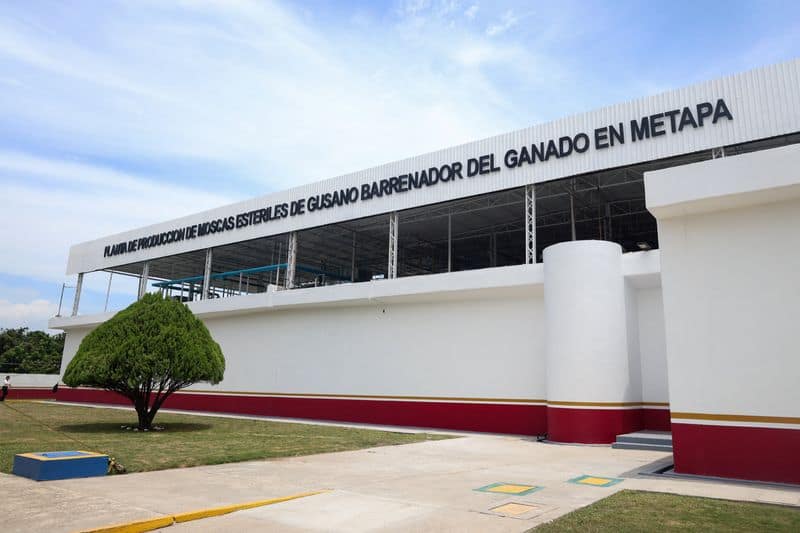
- The U.S. and Mexico inaugurated a sterile fly production plant in Chiapas.
- The plant is a joint effort between the U.S. and Mexico.
- The facility cost $50 million to establish.
- The plant aims to produce 100 million sterile flies weekly.
- The New World screwworm outbreak is the target of this initiative.
- The screwworm parasite has disrupted cattle trade.
- Thousands of animals have been infected by the screwworm.
A new sterile fly production plant, a joint initiative between the United States and Mexico, has been inaugurated in Chiapas. The facility represents a $50 million investment aimed at combating the ongoing New World screwworm outbreak. Its primary objective is to produce 100 million sterile flies on a weekly basis. This large-scale production is a crucial component in the strategy to control the screwworm parasite, which has been causing significant disruptions to cattle trade and has infected thousands of animals. The screwworm poses a serious threat to livestock health and the agricultural economy of the region. The inauguration of this plant marks a significant step in the biosecurity efforts between the two North American nations to manage and eradicate the pest. The sterile flies, when released, mate with wild populations, leading to a reduction in the overall screwworm population over time. This method is considered an environmentally friendly and effective way to manage insect pests without the widespread use of chemical insecticides. The facility's capacity is expected to provide a substantial boost to ongoing control efforts, which have been challenged by the widespread nature of the current outbreak.