Key facts
- Ukrainian and Belarusian entrepreneurs fleeing conflict and repression have significantly impacted Warsaw's cafe and restaurant scene.
- These entrepreneurs are introducing new standards in aesthetics, quality, and customer experience.
- Anna Kozachenko, who fled Kyiv, opened a Warsaw branch of her cafe, Milk Bar, in 2023, aiming to recreate a sense of home.
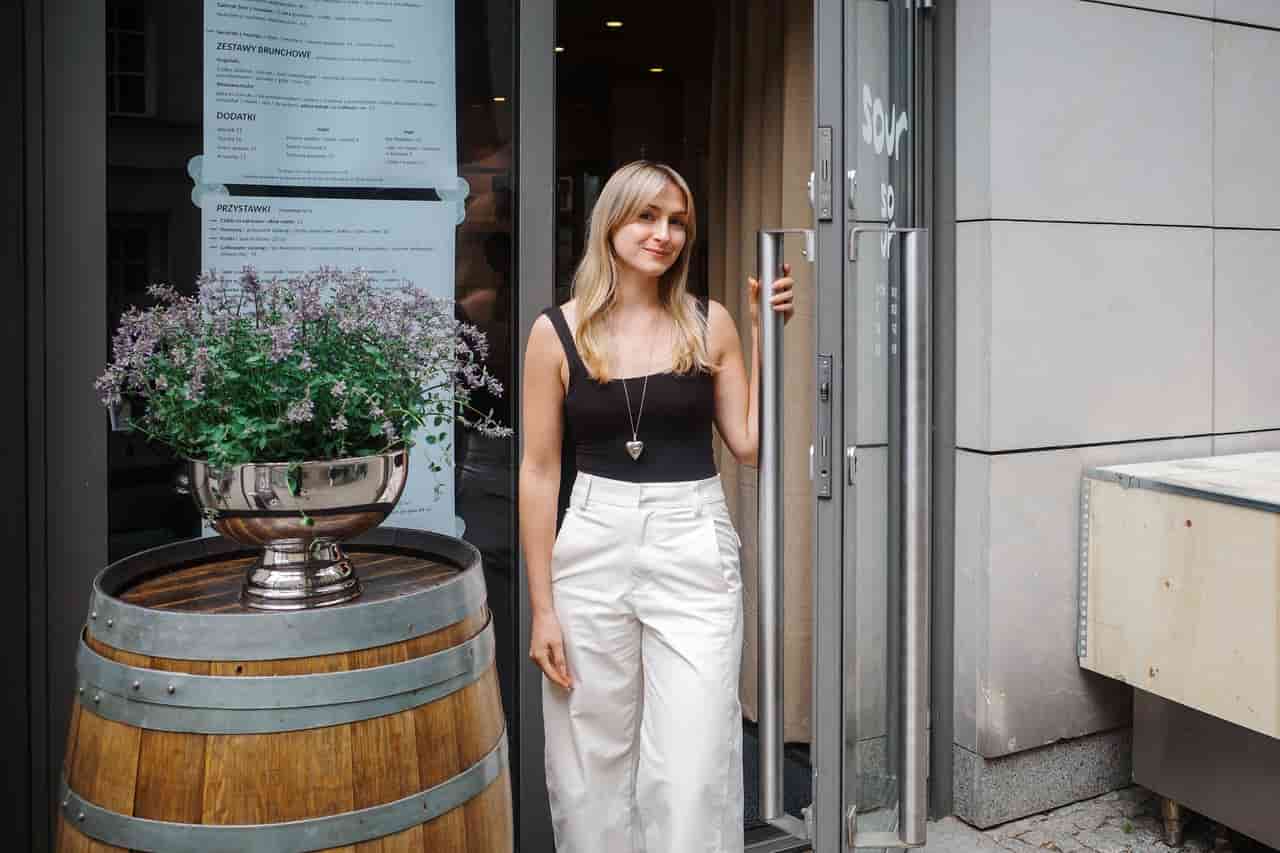
- Ksenia Mazur, who arrived in Warsaw in 2010, opened Sour in 2024, focusing on the overall dining experience.
- Yahor Perakhod, an exiled Belarusian, opened two venues in Warsaw: Gigi and The Morning After.
- Industry professionals like Marcin Ksiazka acknowledge the positive influence of these entrepreneurs on setting new expectations for coffee, ingredients, and design.
Warsaw's cafe and restaurant scene is undergoing a transformation, significantly shaped by Ukrainian and Belarusian entrepreneurs who have relocated due to war and political repression. These entrepreneurs are bringing a refined aesthetic, a focus on quality ingredients, and an emphasis on the overall customer experience, setting new standards in the city.
Anna Kozachenko, who established the original Milk Bar in Kyiv 12 years ago, fled Ukraine with her son in April 2022. By 2023, she had opened a Warsaw location, aiming to recreate an emotional sense of home. Her cafe, reimagined from the Polish communist-era 'bar mleczny' concept, now serves as a community hub for celebrations and milestones, known for its 'wow effect' interiors and desserts.
Similarly, Ksenia Mazur, who arrived in Warsaw in 2010, opened Sour in 2024 after a decade in retail. Her modern brunch spot, with its curated ambiance, attracts both Polish and Ukrainian customers. Mazur notes that Ukrainian entrepreneurs have shifted the focus from just cuisine to the complete dining experience, with aesthetics and atmosphere playing a crucial role, often driven by social media appeal.
Exiled Belarusians have also contributed to this shift. Following the 2020 election crackdown, many settled in Poland. Yahor Perakhod, who moved from Minsk to Kyiv and then to Warsaw, opened Gigi, a cocktail bar, and The Morning After, an urban cafe featuring a 300-year-old olive tree. While not overtly advertising their Belarusian identity, these venues offer a recognized standard of hospitality and popular Eastern European dishes like Syrnyky.
Industry veterans like Marcin Ksiazka, executive chef and owner of Zyes Kuchnia, observe that these entrepreneurs often bring a clean, refined design style influenced by Slavic and Eastern European culture, aligning with current trends. He believes their focus on good coffee, seasonality, and fresh ingredients has elevated expectations within the city's food scene. Despite political tensions, Ksiazka views this influx as healthy competition that benefits everyone and allows for cultural expression through food and hospitality.